Frog and Toad Conservation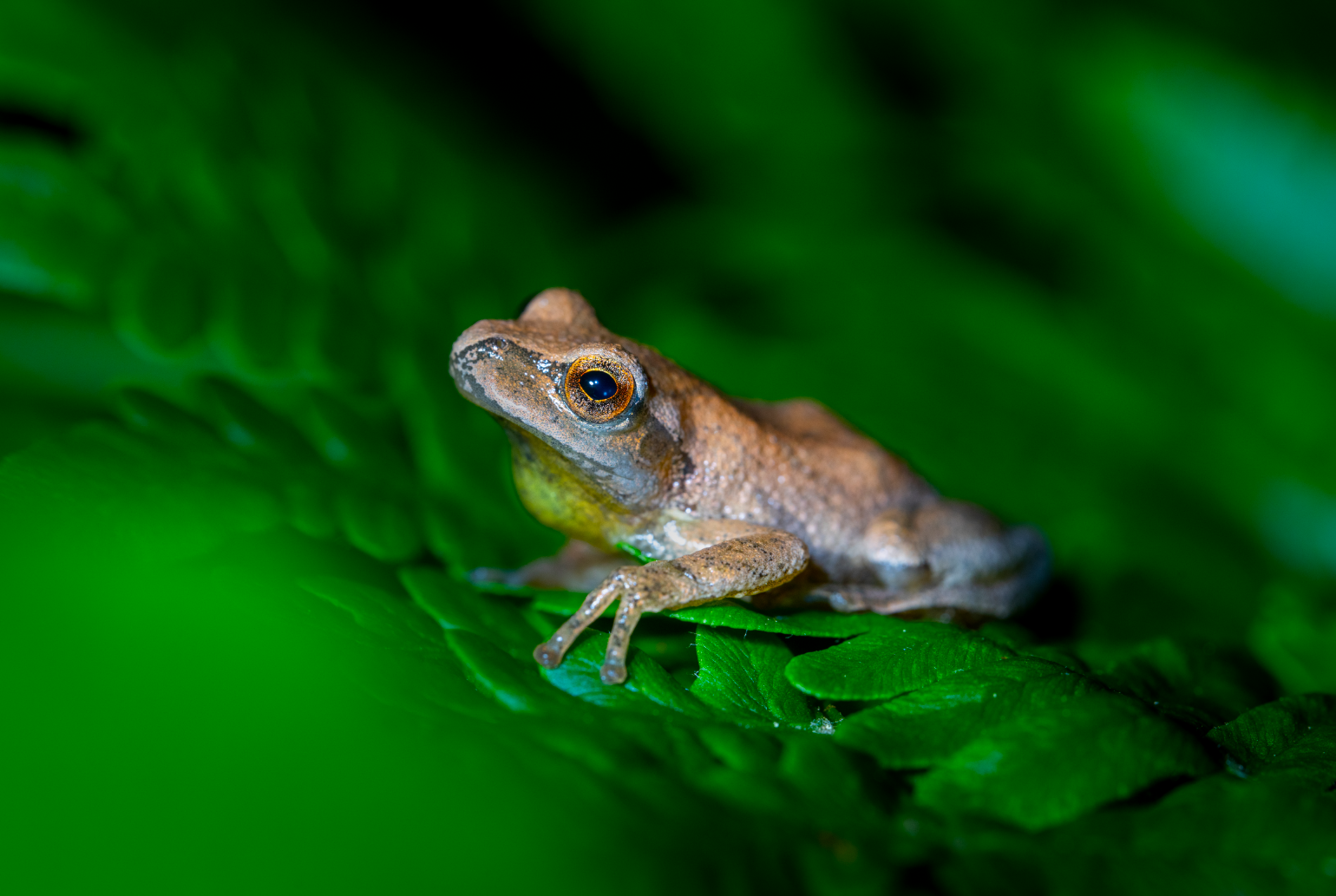
Frogs and Toads
Frogs play a vital role in Northern Michigan’s ecosystems, acting as both predators and prey in wetland, forest, and freshwater food webs. By feeding on insects, including mosquitoes and agricultural pests, they help keep populations in balance, while also providing an important food source for birds, fish, snakes, and mammals. Frogs are especially valuable as indicator species because they absorb water and oxygen through their skin, they are highly sensitive to pollution and will disappear in areas with high levels of toxins. Habitat loss and climate change are other challenges these animals face. In Northern Michigan, where wetlands and cold water systems are closely tied to clean water and intact habitats, thriving frog populations often reflect landscapes that are functioning well for wildlife and people alike.
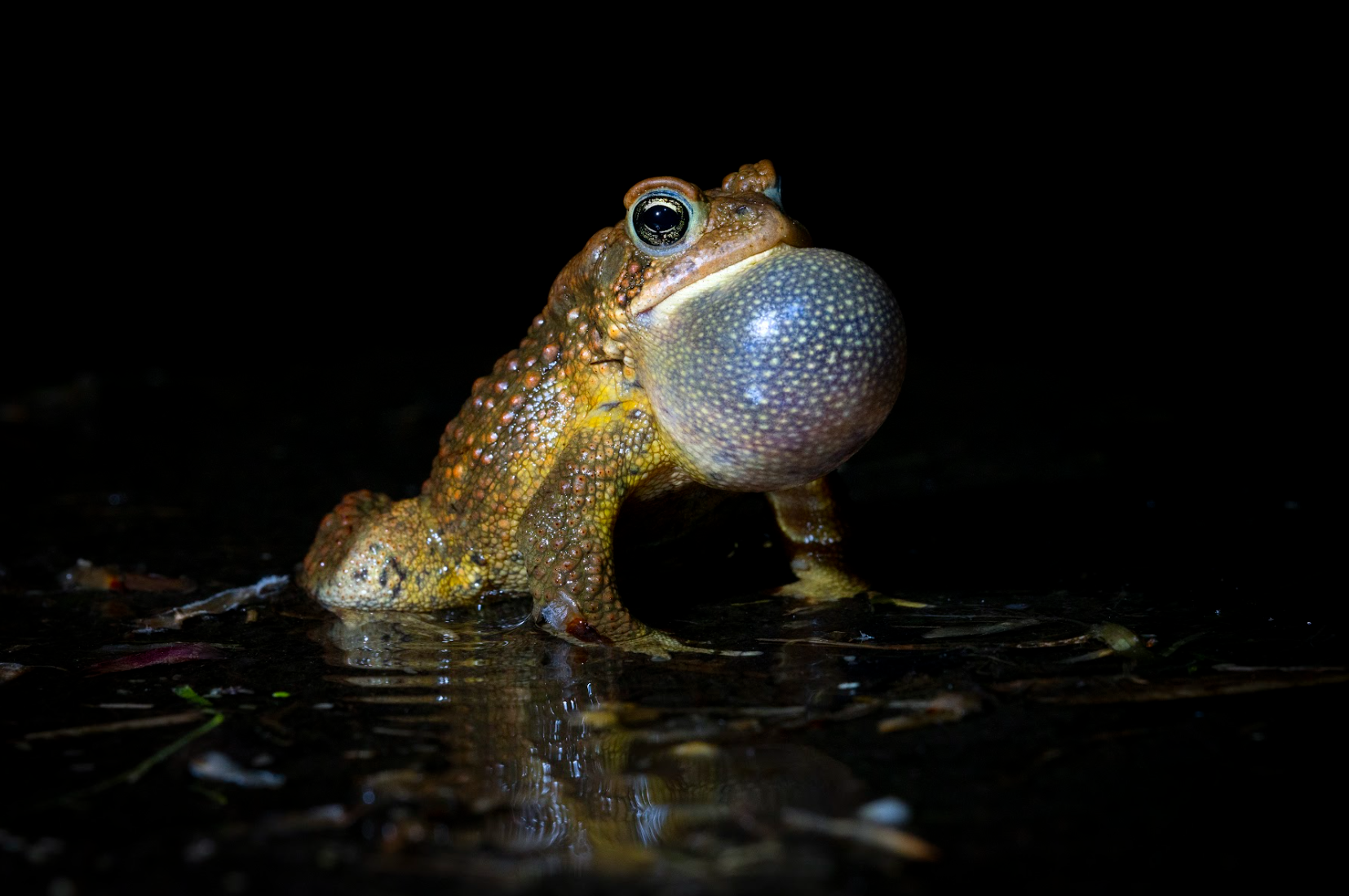
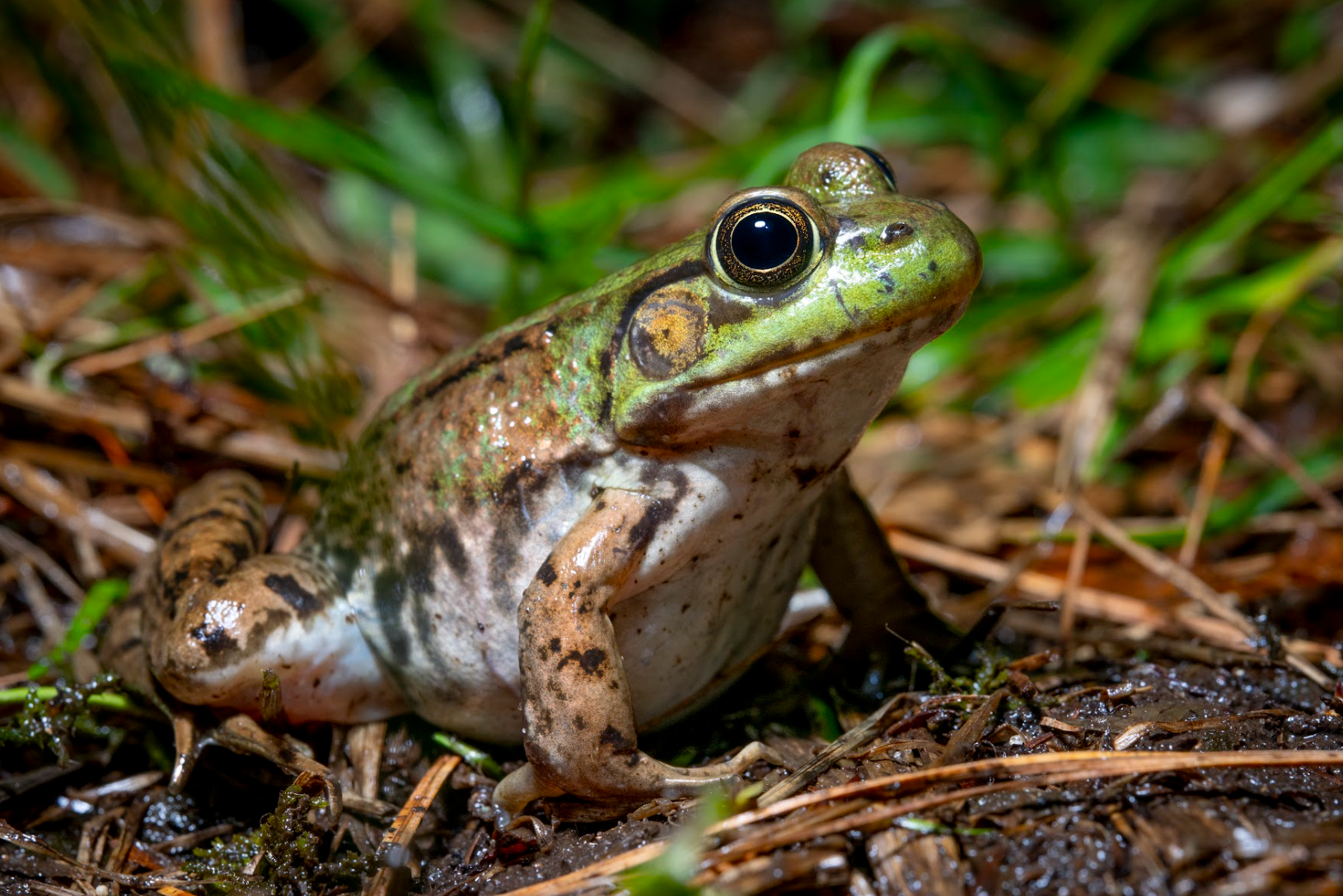
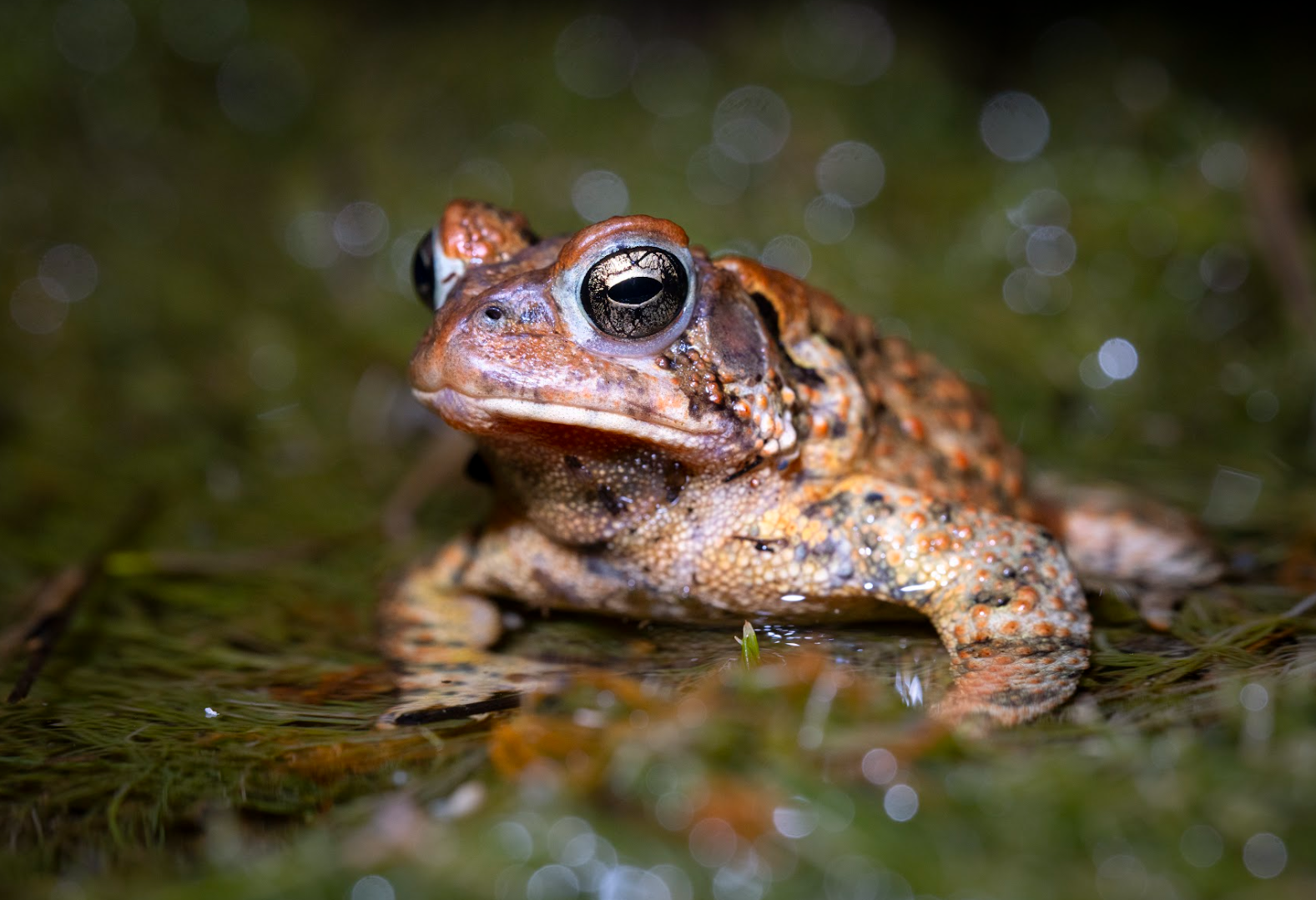
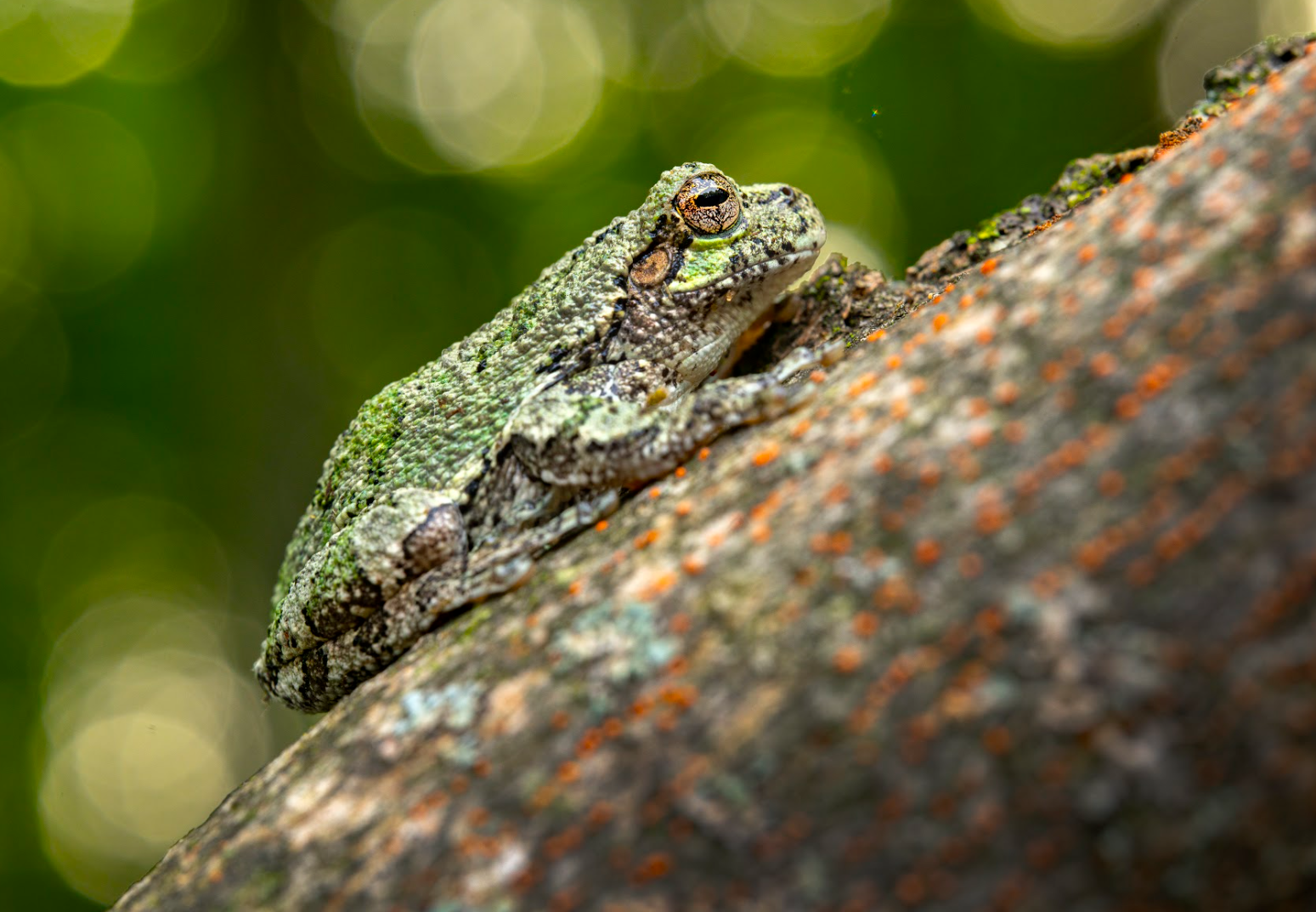
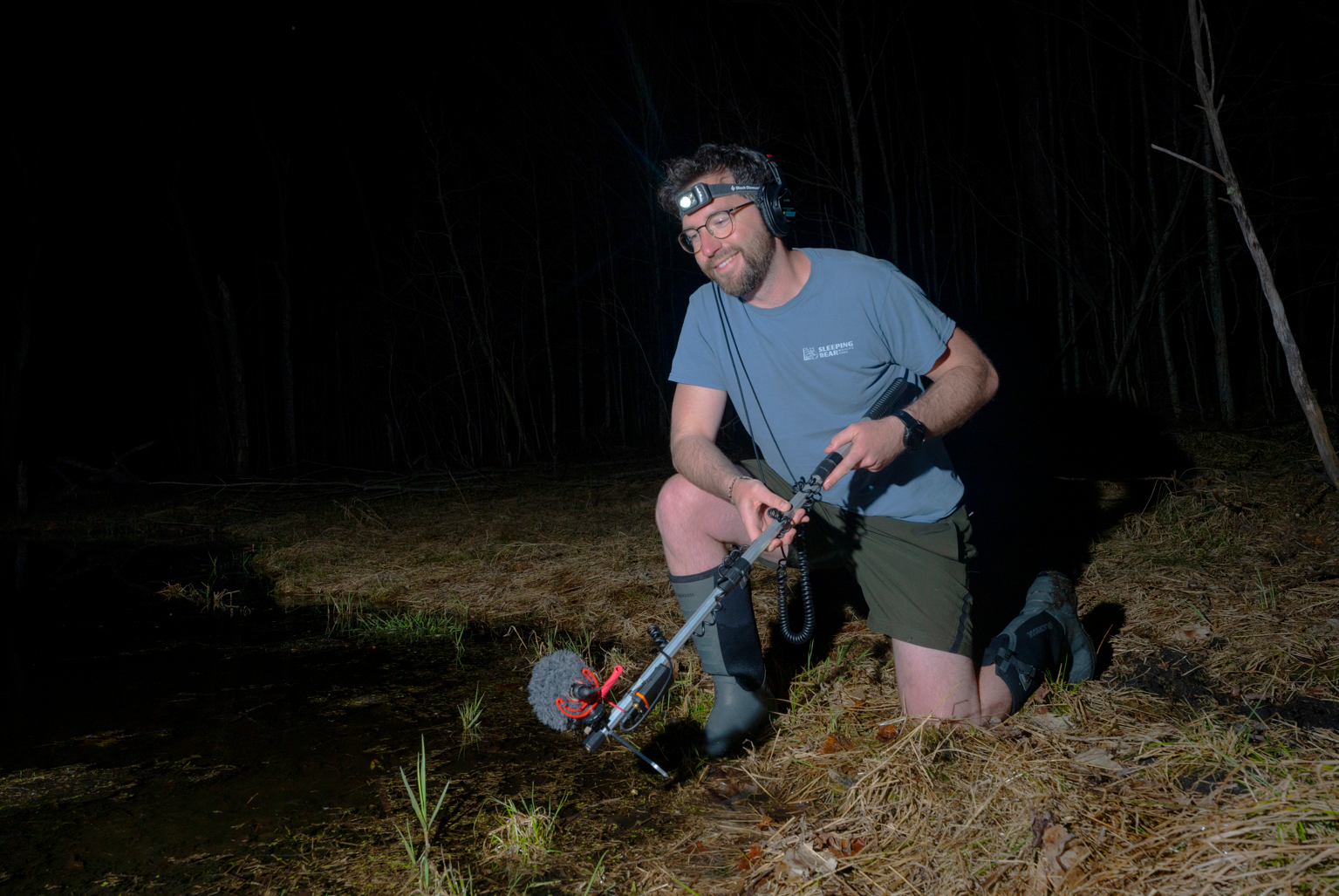
Frogs and toads communicate primarily through vocal calls, most often produced by males during the breeding season to attract mates and establish territory. Each species has a distinct call — differing in pitch, rhythm, duration, and pattern — allowing individuals to recognize members of their own species even in wetlands filled with multiple calling amphibians. Because these calls are species-specific and closely tied to environmental conditions, scientists can record and analyze them to monitor when calling begins each year, how frequently species are present, and where they occur across the landscape. Tracking changes in call timing, distribution, and diversity over time helps researchers detect shifts in habitat quality, climate patterns, and overall biodiversity. By listening carefully to frog and toad choruses, conservationists gain valuable insights that guide habitat protection and restoration efforts to ensure these sensitive amphibians continue to thrive.
A Flirtatious Cacophony
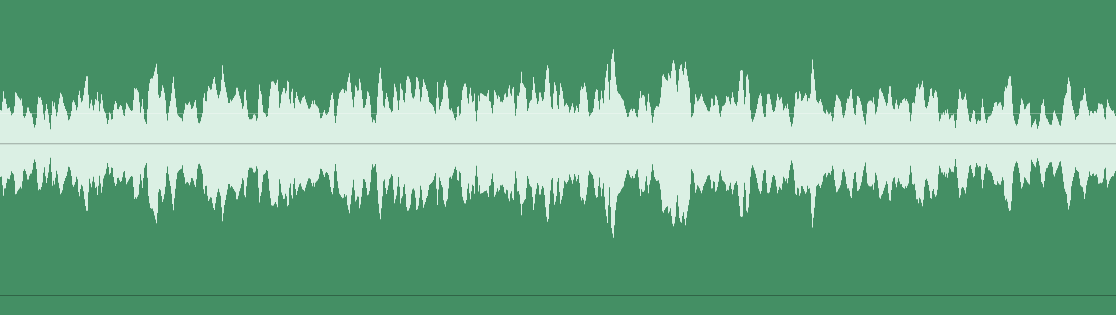
Our Research Recordings
Here, you can listen to recordings collected during our field surveys as we monitor frog calls throughout the season. These vocalizations are important indicators of healthy habitats and active populations. By listening closely, we can even detect rare and state-listed species hidden in the landscape. Explore the audioscape yourself, and get creative by playing multiple calls at the same time to create your very own frog and toad symphony.
The Frogs and Toads of Northern Michigan
-
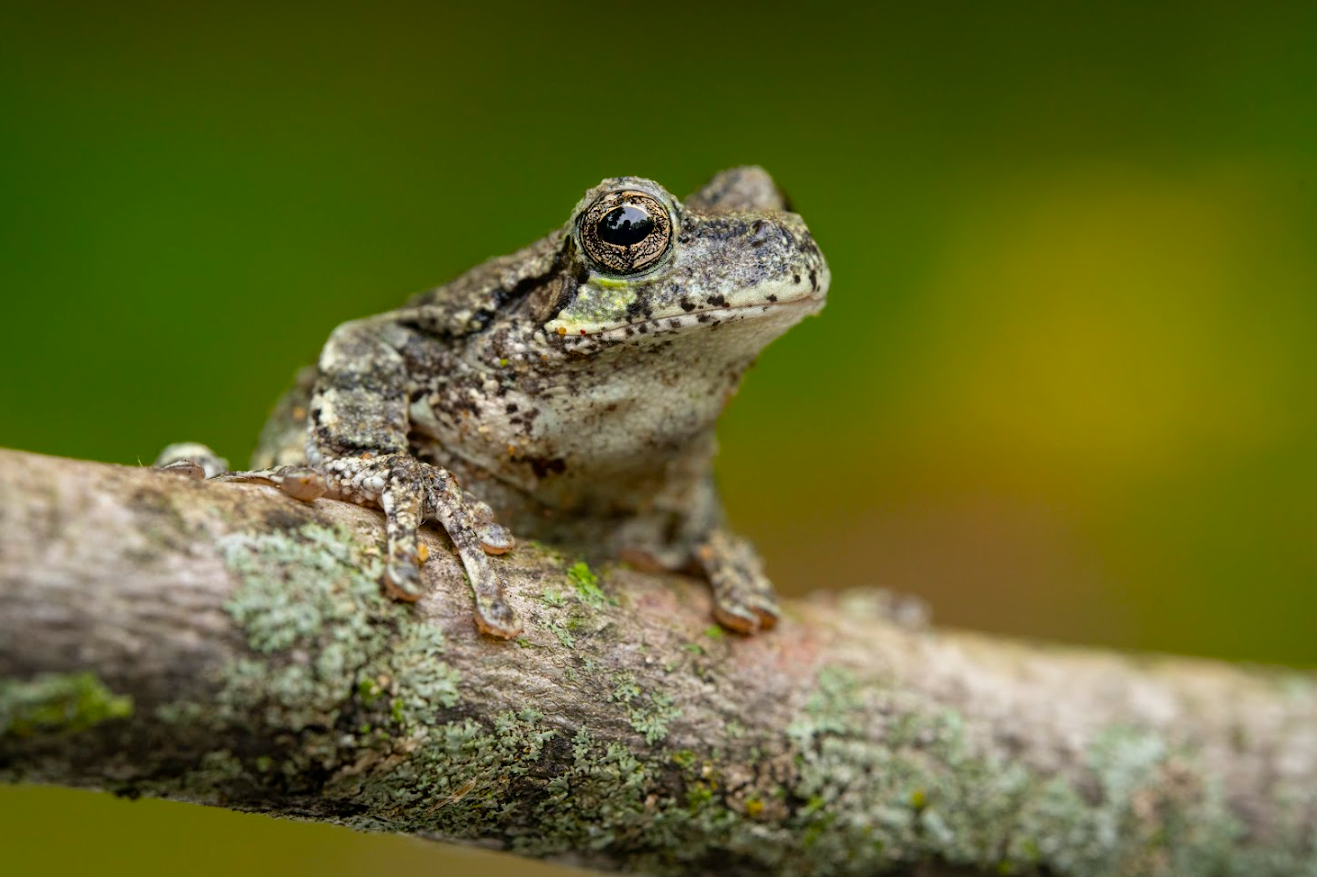
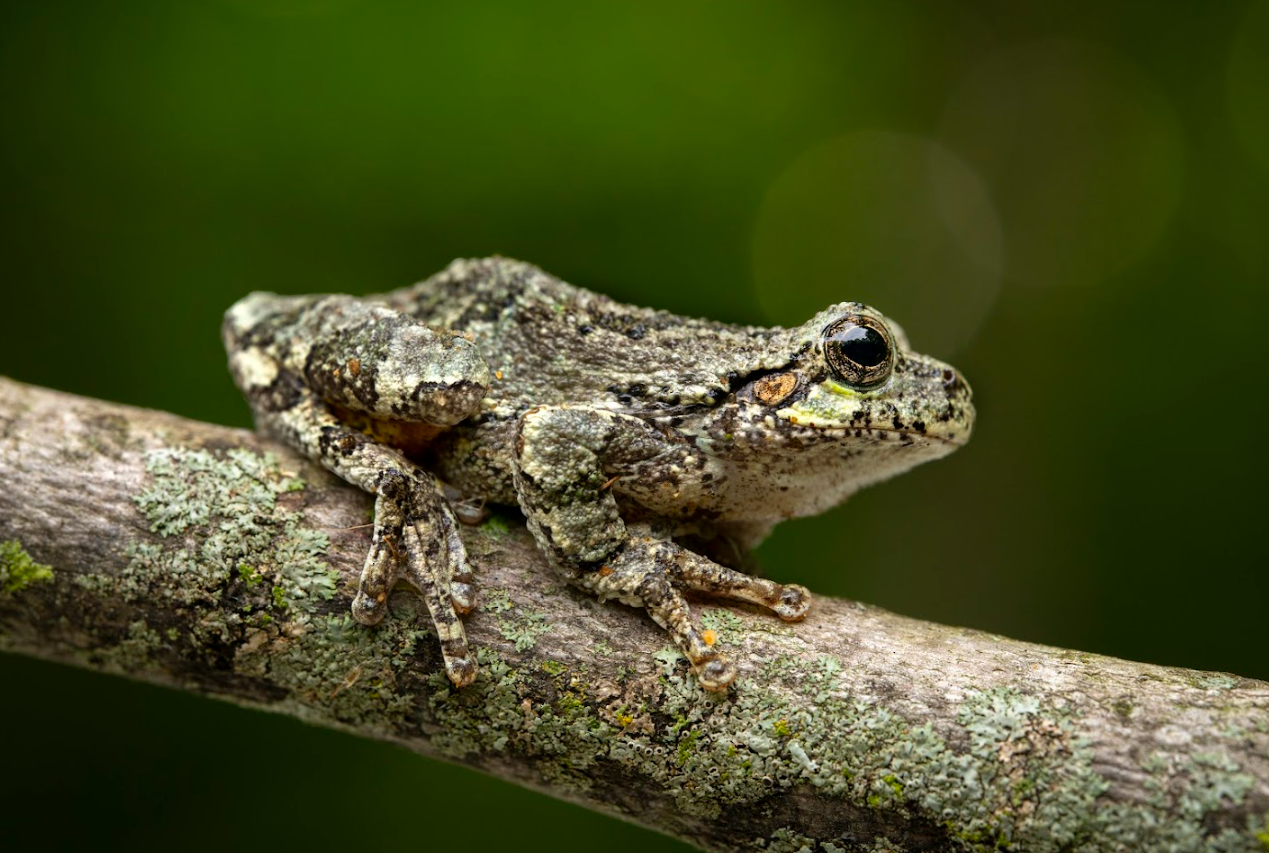
![Close-up of a gray and green camouflaged frog perched on a lichen-covered tree branch with a blurred green background.]()
Gray Tree Frog
-
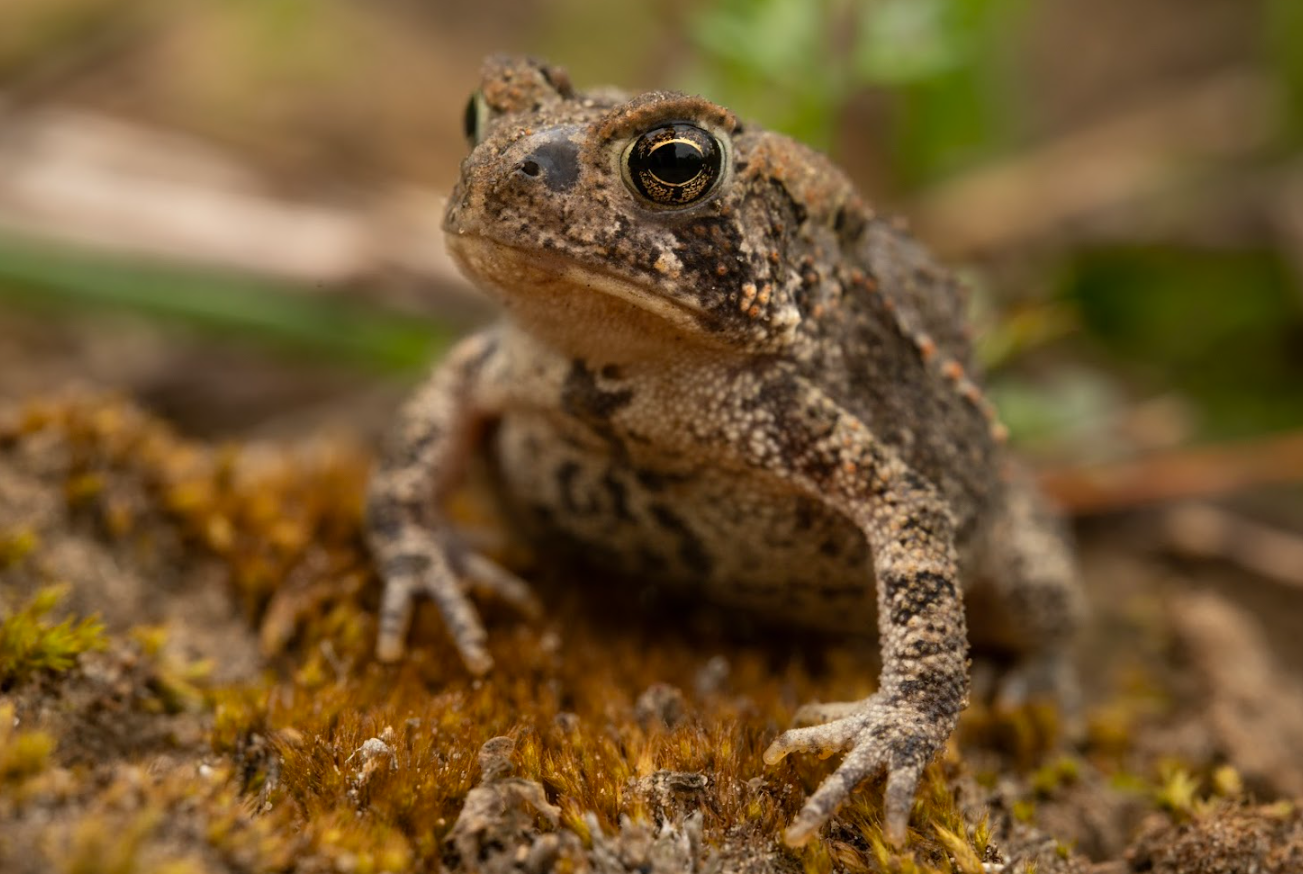
![Close-up of a small brown and black speckled toad sitting on mossy ground in a natural environment.]()
American Toad
-
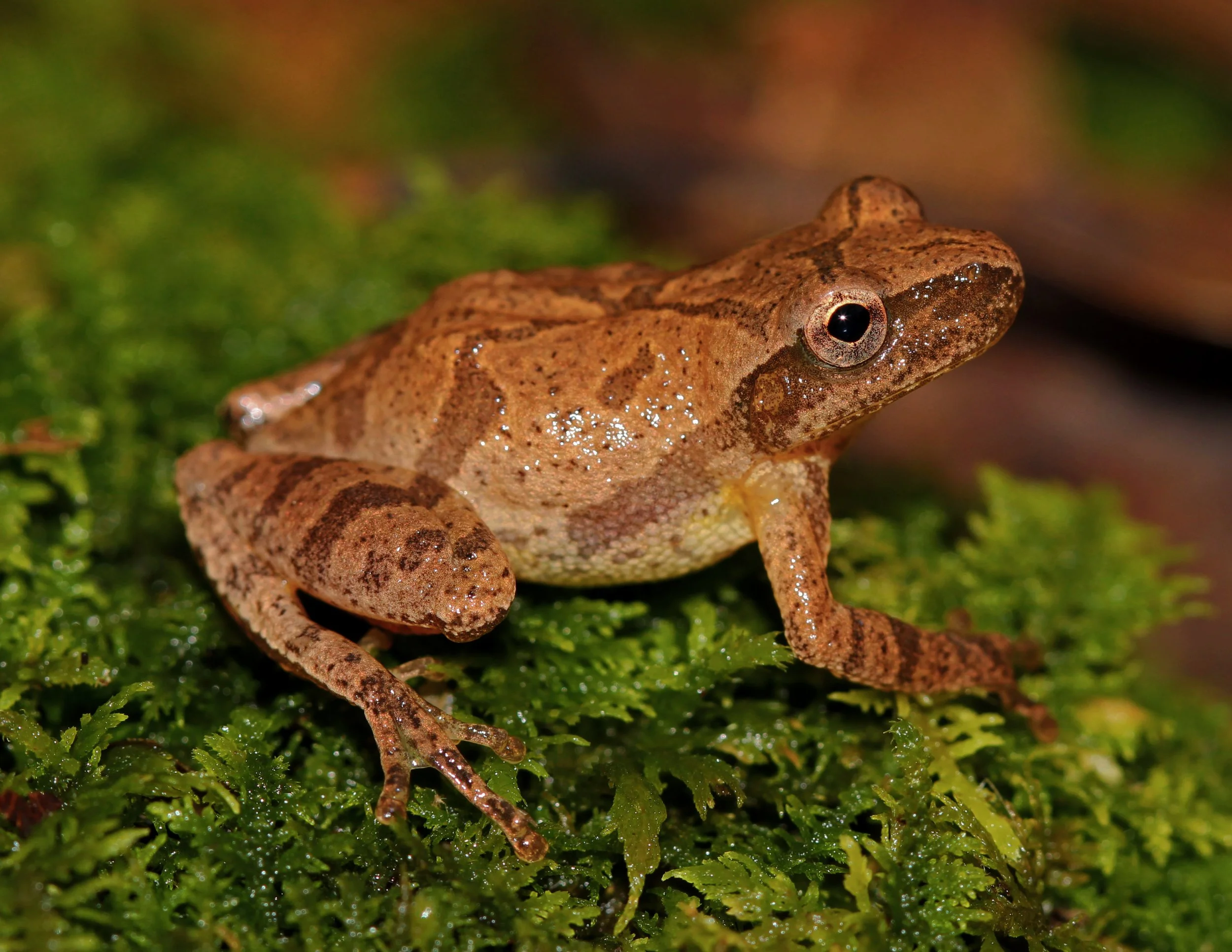
![A small brown frog with a speckled pattern on its back sitting on green moss.]()
Northern Spring Peeper
-
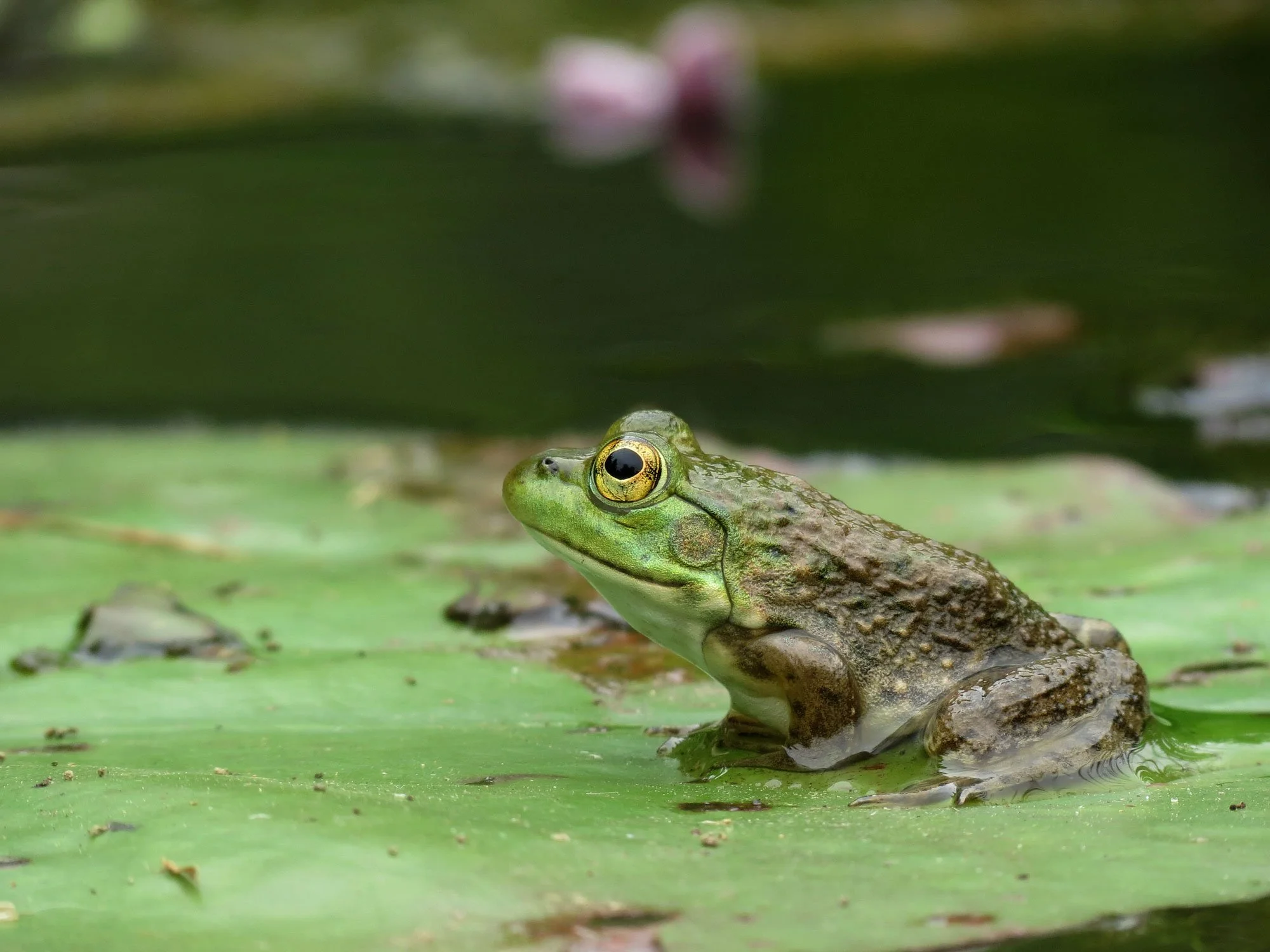
![American Bullfrog]()
American Bullfrog
-
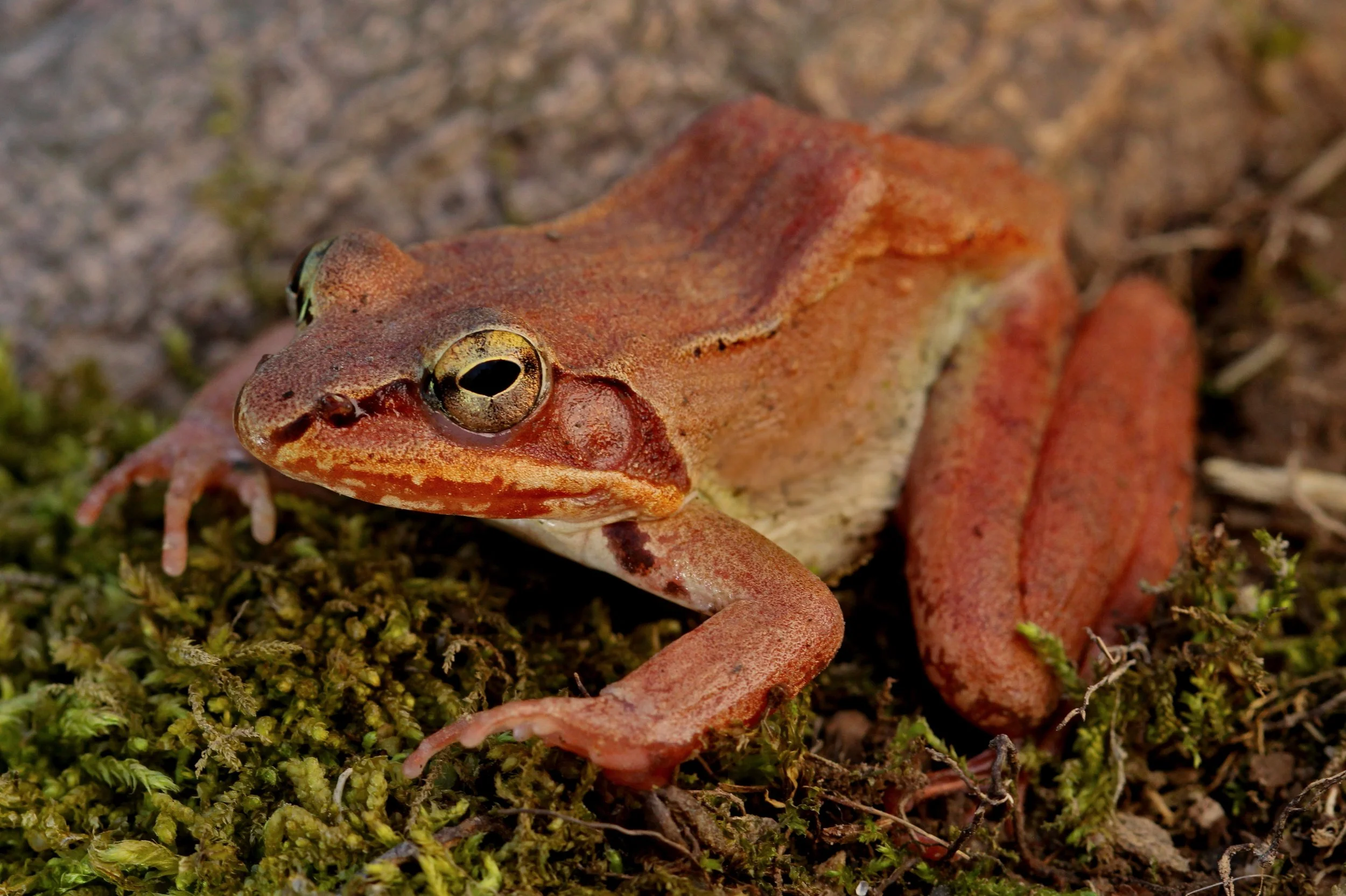
![A close-up of a red-brown frog with black and yellow eyes, sitting on green moss and small plants.]()
Wood Frog
-
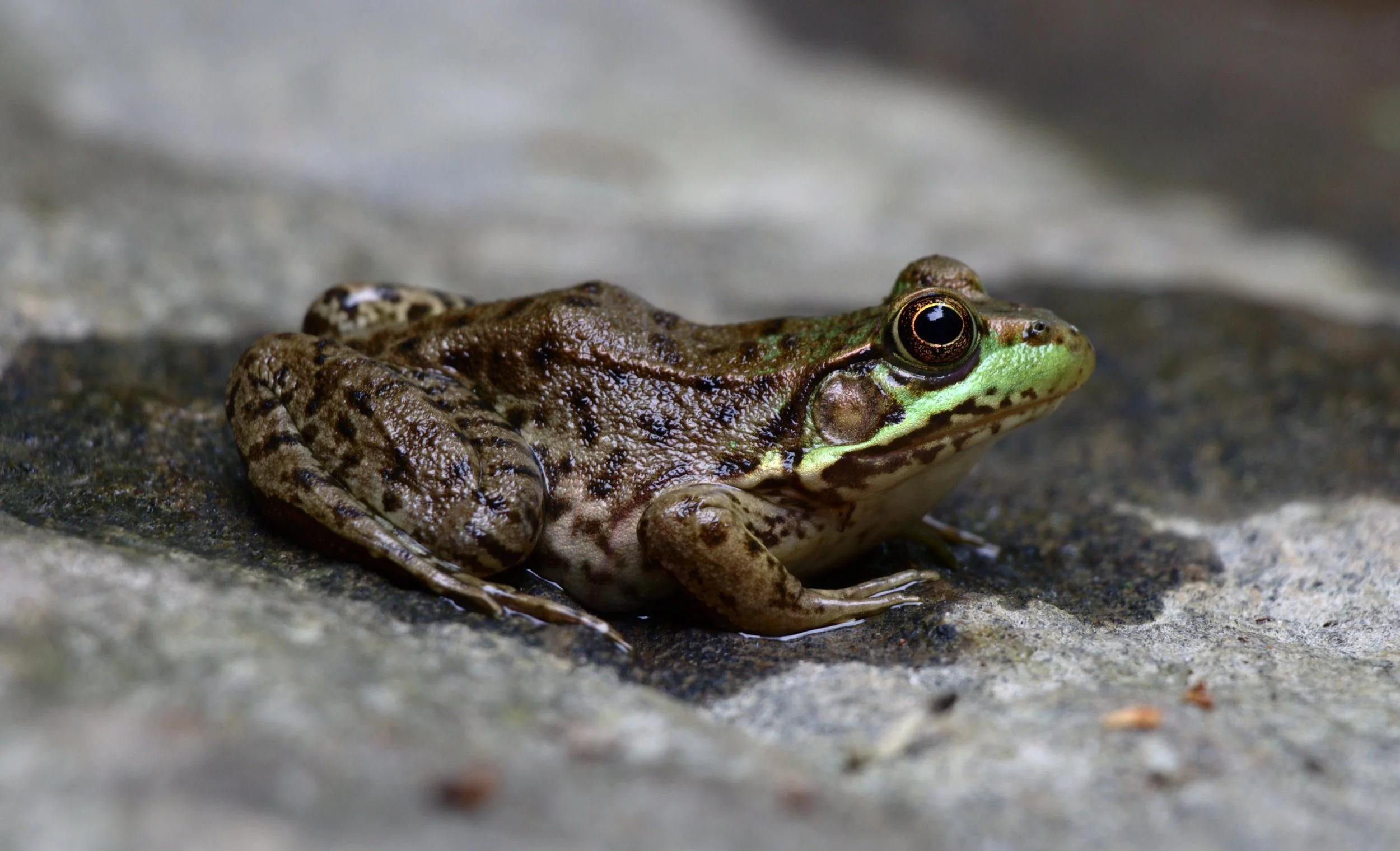
![Close-up of a frog with brown and green markings sitting on a rock surface.]()
Northern Green Frog
-
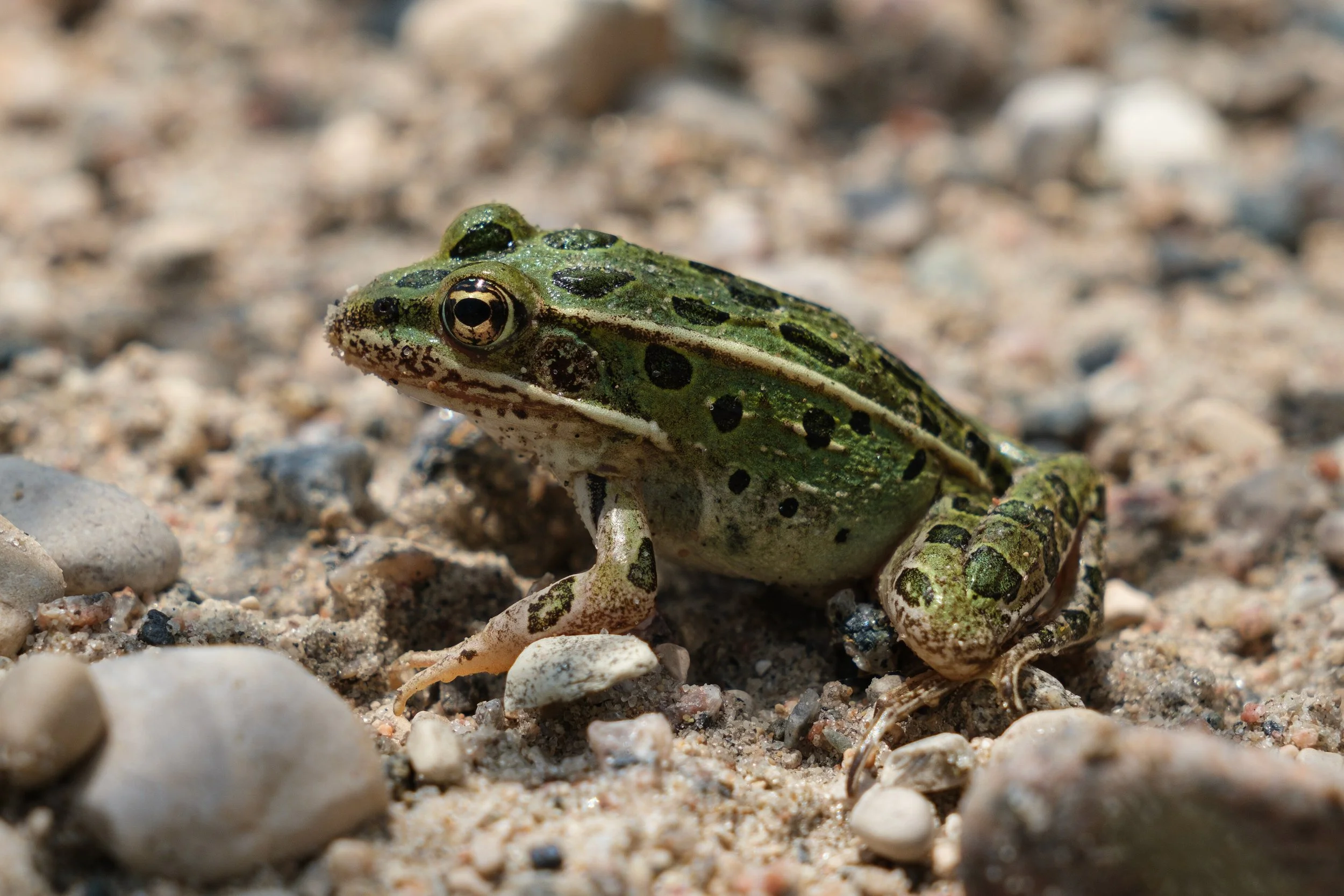
![A small green frog with black spots on sandy ground with pebbles.]()
Northern Leopard Frog
This work is done in partnership with: