

EDUCATIONAL RESOURCES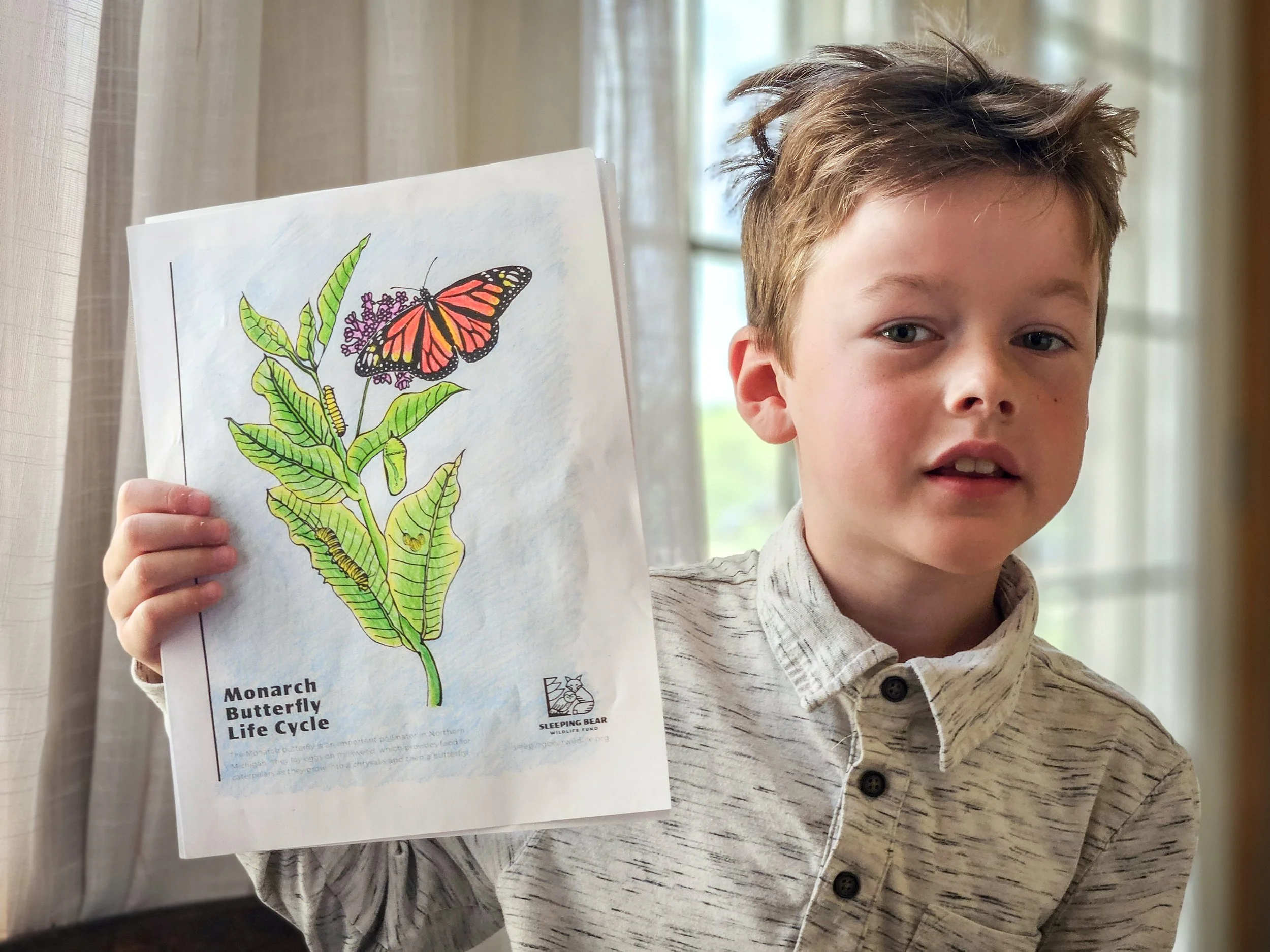
Education Activities for All AgesFrom animal guides and coloring pages to interactive worksheets and activities, we offer a variety of free downloadable educational resources designed for at-home learning and outdoor exploration. Bring them along on a hike, picnic, or adventure across Northwest Michigan and discover the wildlife, habitats, and ecosystems that make our region unique.
A Guide to Mammal Tracks
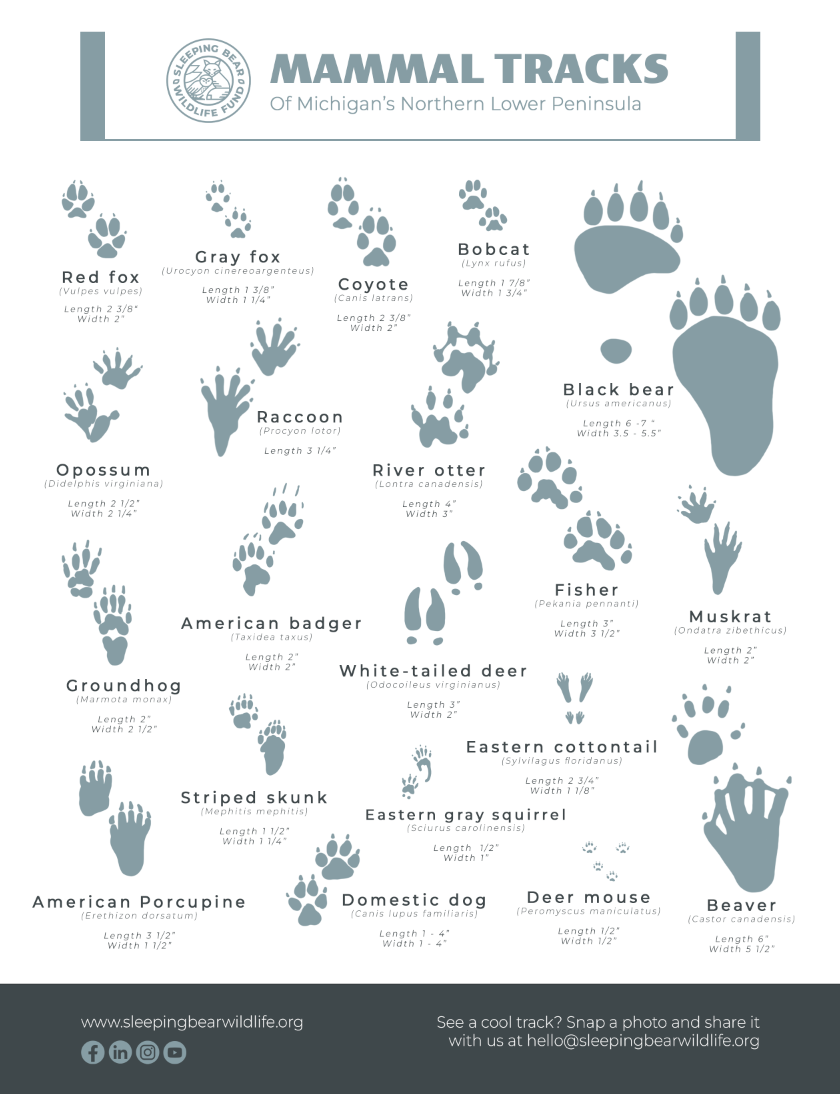
Hit the trails with a new perspective using our Local Animal Track Guide. Learn how to identify the footprints of the mammals that share our forests, dunes, and wetlands, and uncover the hidden stories written in mud, sand, and snow. Who passed through before you? Where were they headed? What were they doing?
This easy-to-use guide helps you connect more deeply with the wildlife that calls our region home, turning every hike into a real-world wildlife investigation.
Spot something exciting?
Send us your best track photos and tell us where you found them, we love seeing what you discover out on the trail!
Ecosystem Functional Group Coloring Activity
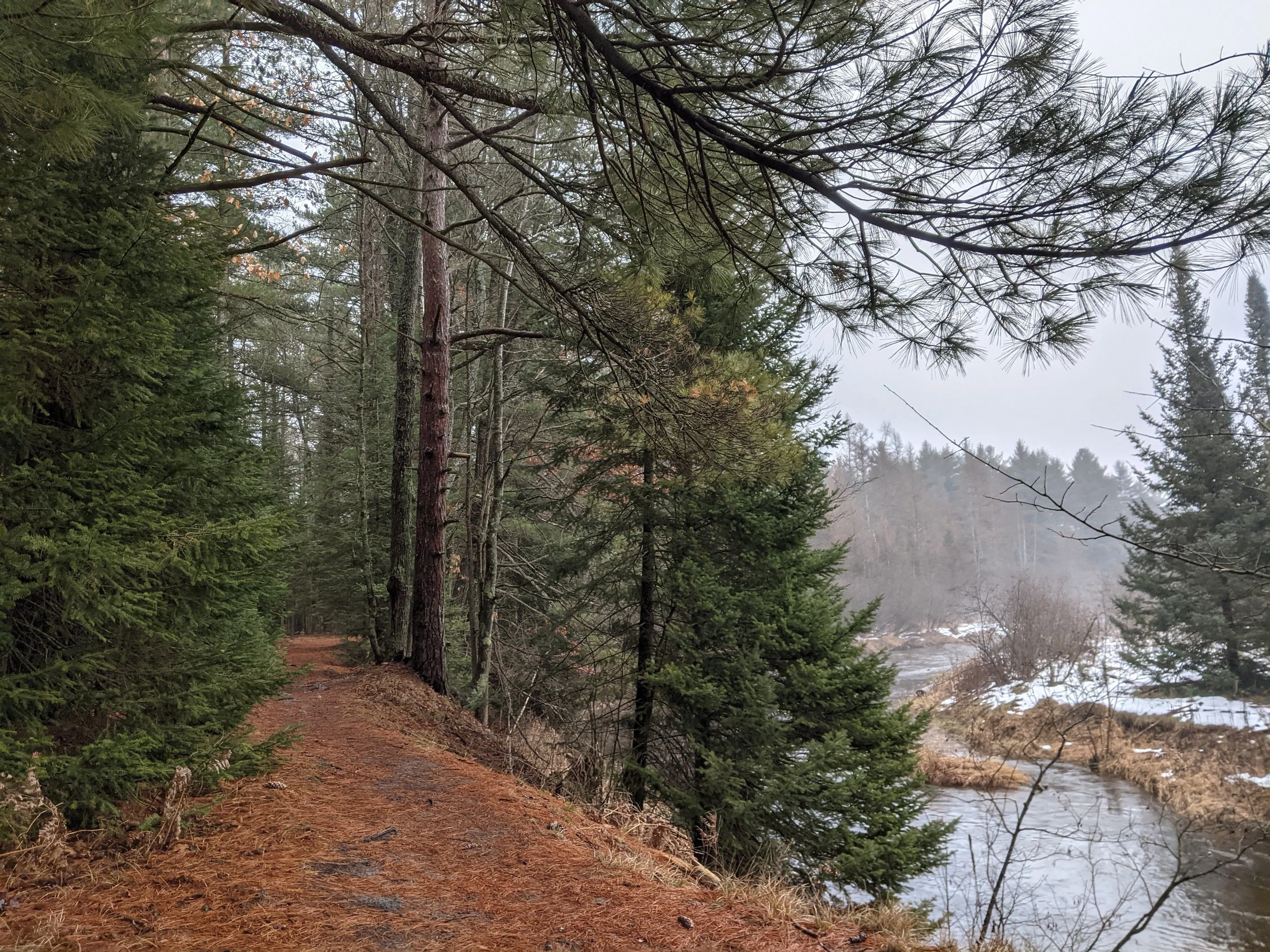
Explore different functional groups in this “build your own” ecosystem activity! Color and cut out your organisms, then arrange them to create your own ecosystem. Northern Michigan is home to a wide variety of ecosystems and species, each playing an important role. We’d love to see your creation—color it in and send us a picture!


Monarch Butterfly Coloring Sheet
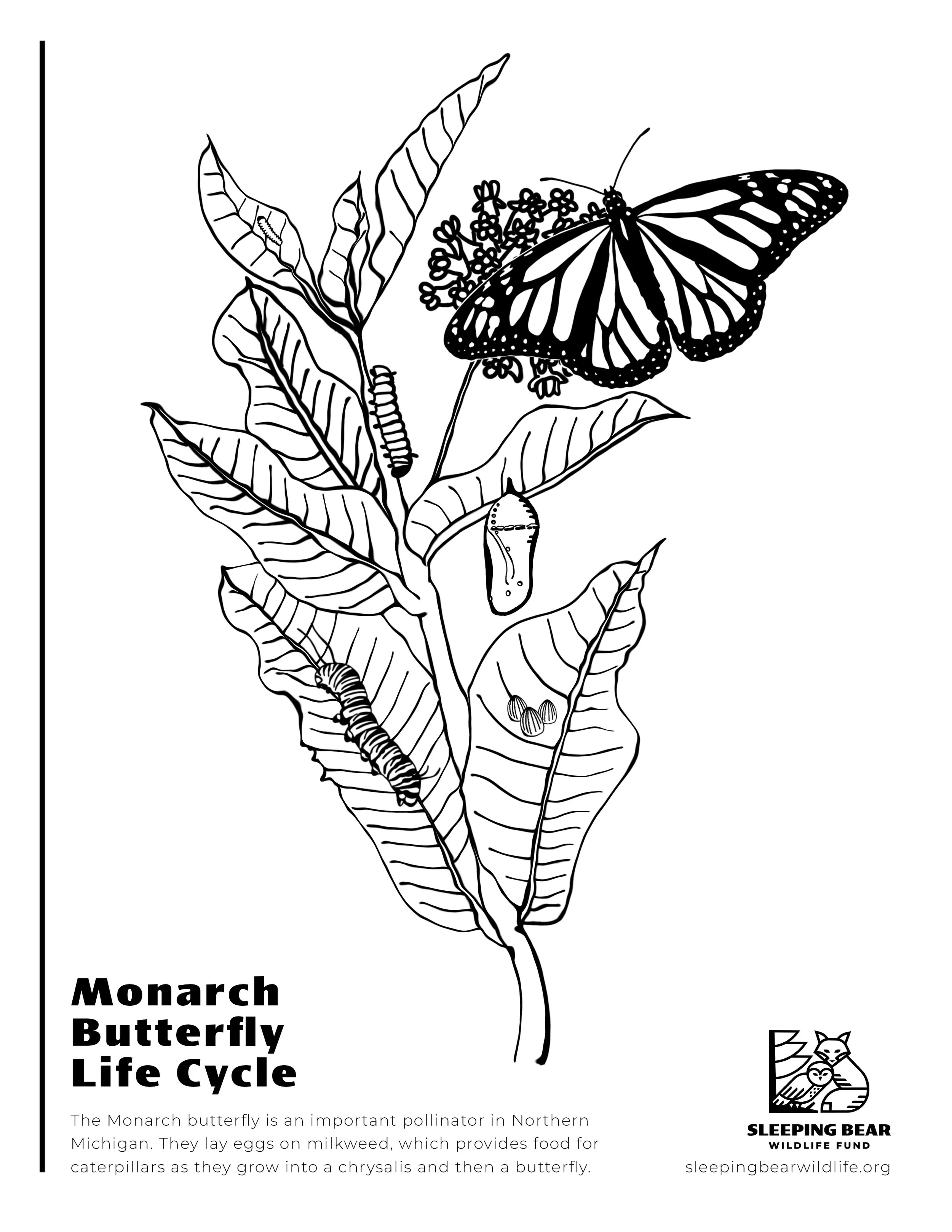
Download the Monarch butterfly life cycle coloring sheet and create your own illustrated guide to each stage of transformation—from egg to caterpillar, chrysalis, and butterfly. This activity is a fun way to explore science, understand pollinators, and discover how meadows and milkweed habitats support their survival.