INSECT CONSERVATION
The Wonderful World of Insects
Insects are the foundation of healthy ecosystems, yet they are experiencing widespread declines across the globe. Pollinators such as native bees, butterflies, and moths are essential for the reproduction of wildflowers and many of the crops we rely on for food. Other insects, including carrion beetles, play equally important but often overlooked roles by recycling nutrients, decomposing dead animals, improving soil health, and supporting countless other species. Together, insects form the base of many food webs, providing a critical food source for birds, mammals, amphibians, reptiles, and fish.
Northern Michigan supports an incredible diversity of insects, many of which are indicators of healthy habitats. However, habitat loss, fragmentation, pesticide use, invasive species, climate change, and the decline of native plant communities are placing increasing pressure on these populations. Some species, such as the monarch butterfly and the federally endangered rusty patched bumble bee, have experienced dramatic population declines, while others, including the American burying beetle, have disappeared from much of their historic range.
Through population surveys, habitat assessments, and conservation partnerships, Sleeping Bear Wildlife Fund works to better understand the status of insect populations across the region and identify opportunities to restore and protect the habitats they depend on. By conserving insects, we are also safeguarding the broader ecosystems that support wildlife, healthy forests and wetlands, sustainable agriculture, and the communities that depend on them.
Our Flagship Projects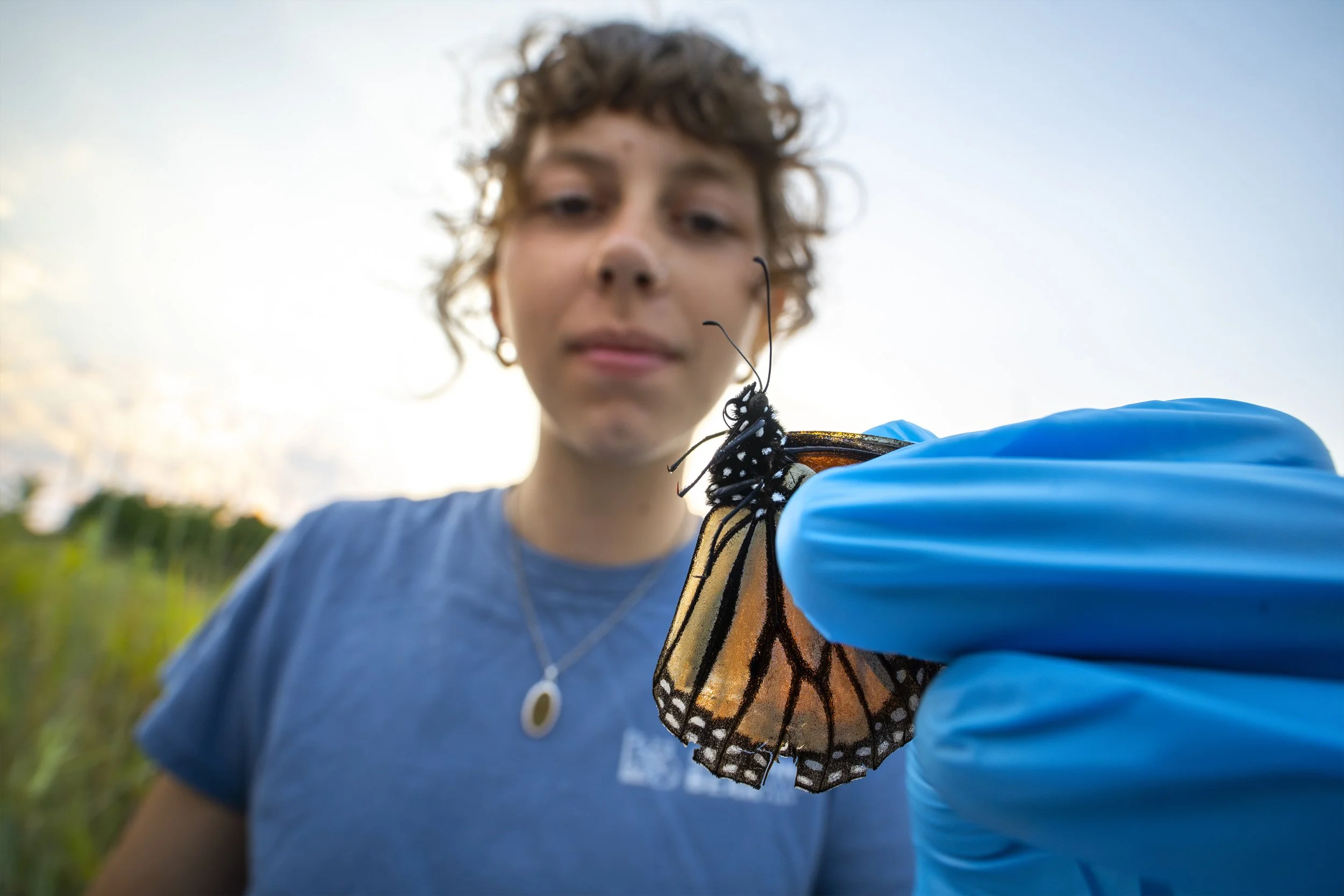
Monarch Butterfly Research
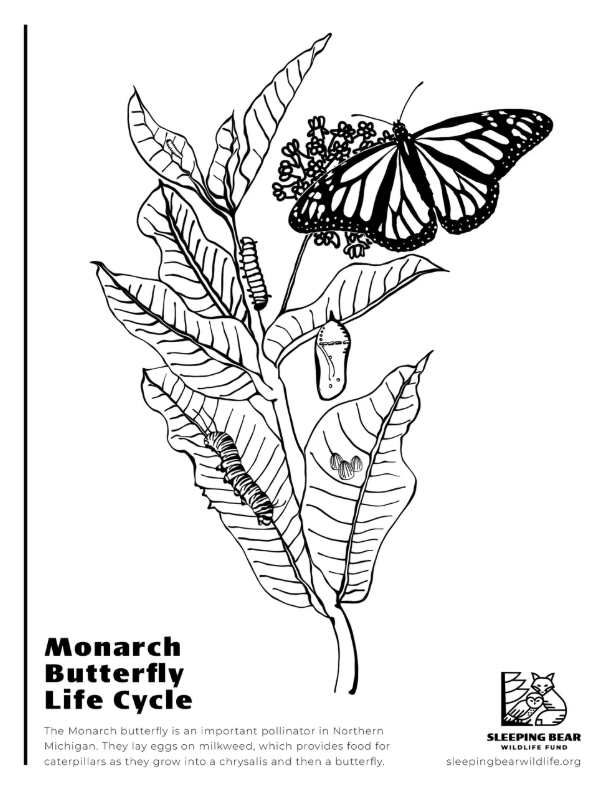
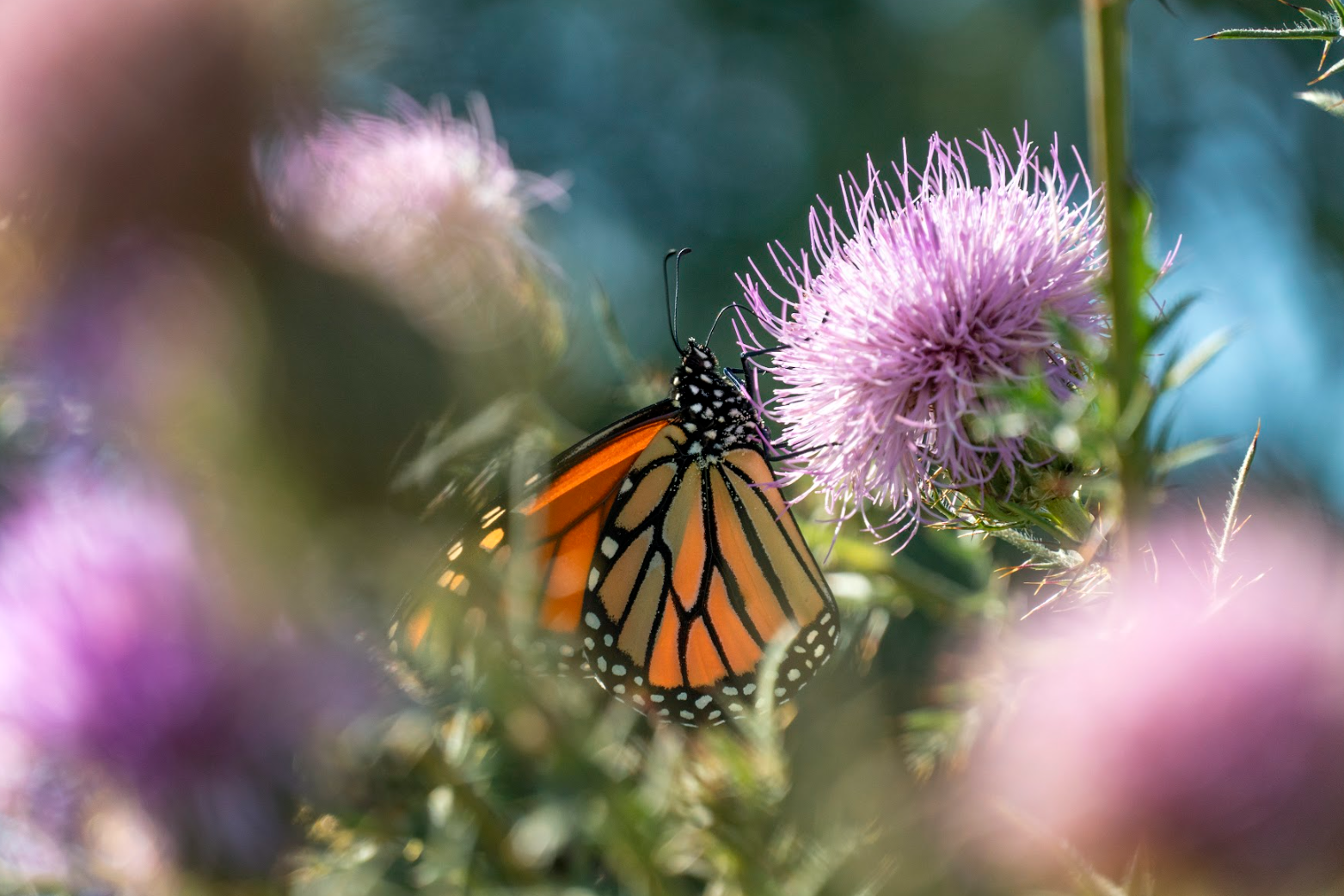
Monarch butterflies are iconic migratory insects found across Michigan, where they rely on milkweed as the only host plant for their caterpillars and nectar-rich native flowers for fuel during migration. Monarchs face major challenges from habitat loss, pesticide use, climate change, and diseases such as Ophryocystis elektroscirrha (O.E.), a parasite that can weaken butterflies and reduce survival. To support monarch conservation, Sleeping Bear Wildlife Fund is tagging monarchs to help track migration patterns and monitoring individuals for signs of disease, contributing valuable data that can inform regional conservation efforts and help protect this remarkable species.
Carrion Beetle Research
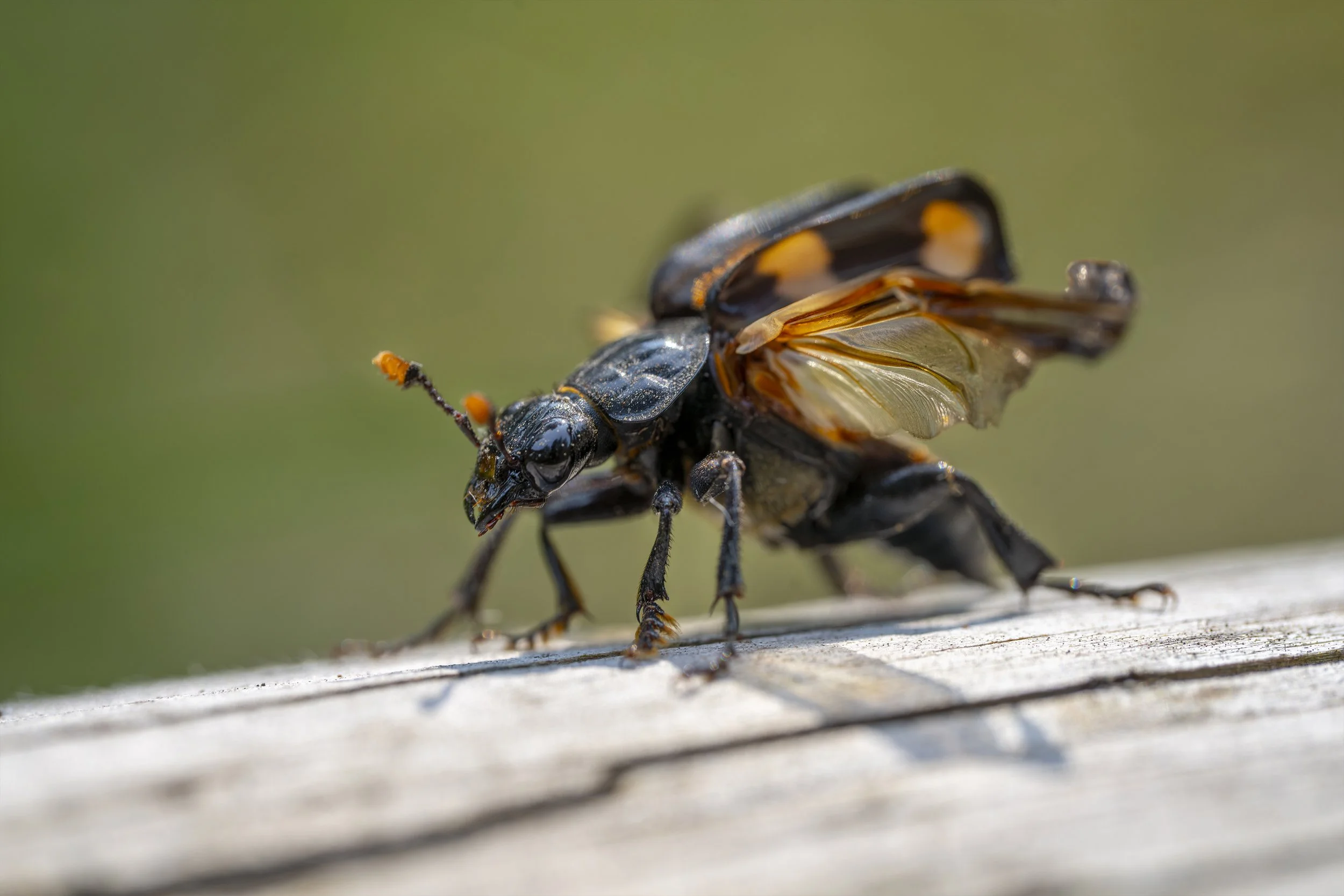
Carrion beetles are nature's recyclers, breaking down dead animals and returning nutrients to the soil while supporting healthy ecosystems. Several species in Michigan are rare or declining, including the federally endangered American burying beetle, which is believed to be extirpated from the state. Sleeping Bear Wildlife Fund is conducting carrion beetle surveys and habitat assessments across Northern Michigan to better understand their populations, identify important habitats, and provide the scientific data needed to guide future conservation and restoration efforts.
Bumble Bee Research
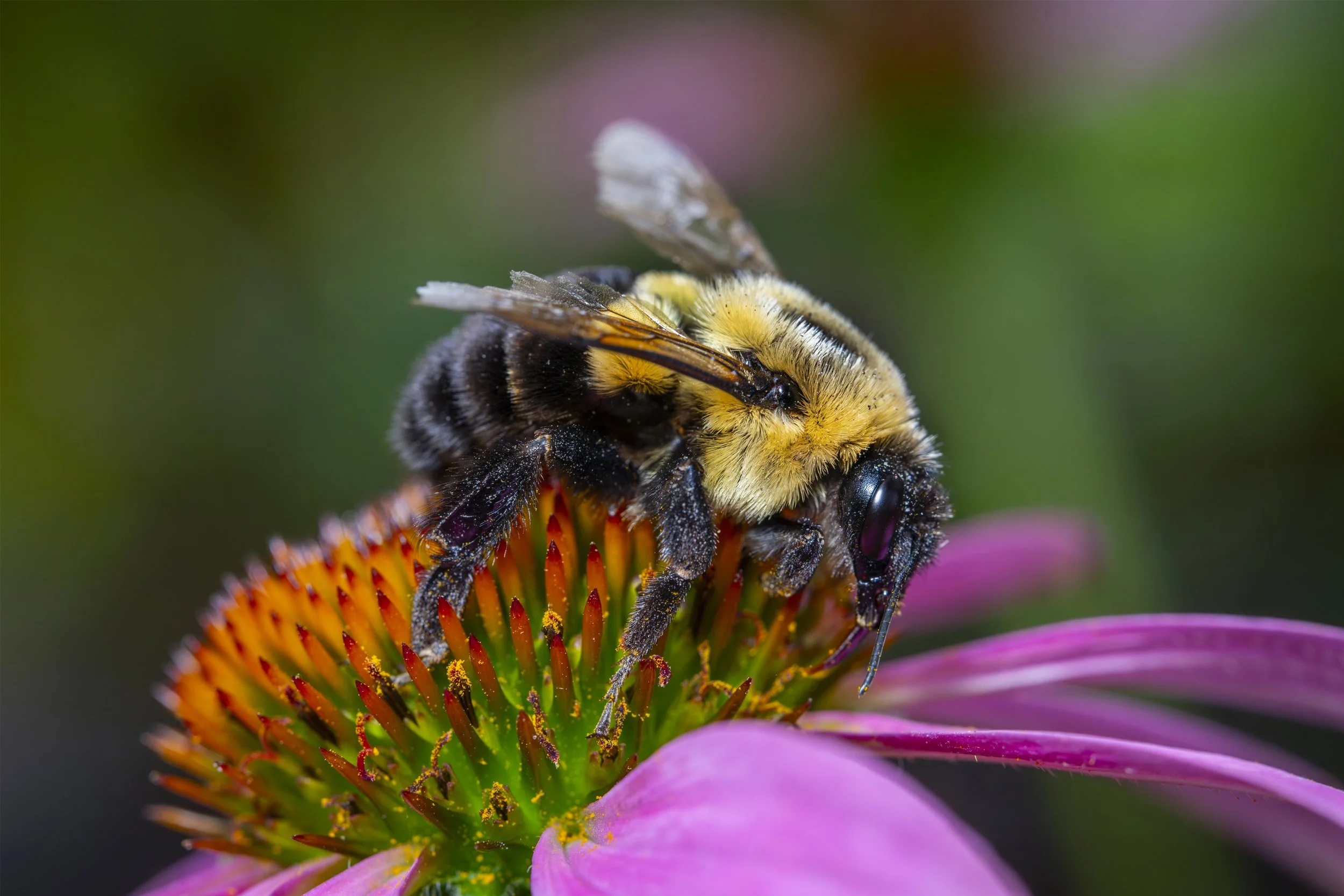
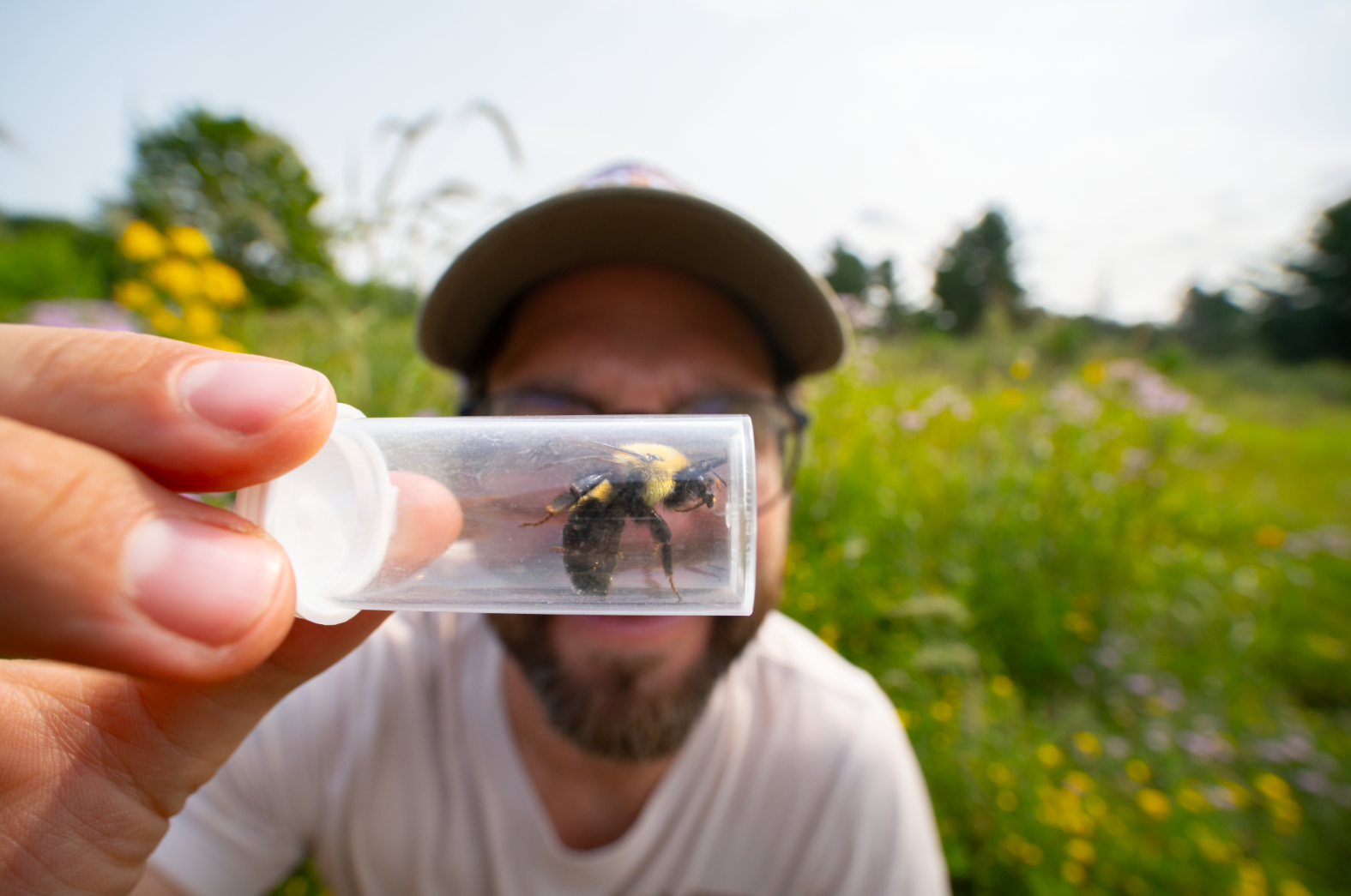
Bumble bees are among Michigan's most important native pollinators, helping wildflowers, forests, and many agricultural crops reproduce and thrive. Unfortunately, several species have experienced significant declines due to habitat loss, pesticide use, climate change, and disease, with some now considered threatened or endangered. Sleeping Bear Wildlife Fund is conducting bumble bee surveys across Northern Michigan to document where species occur, identify important habitats, and establish baseline population data. This research will help guide future conservation efforts and evaluate opportunities to restore at-risk bumble bee species to areas where they have disappeared.
Biodiversity Surveys
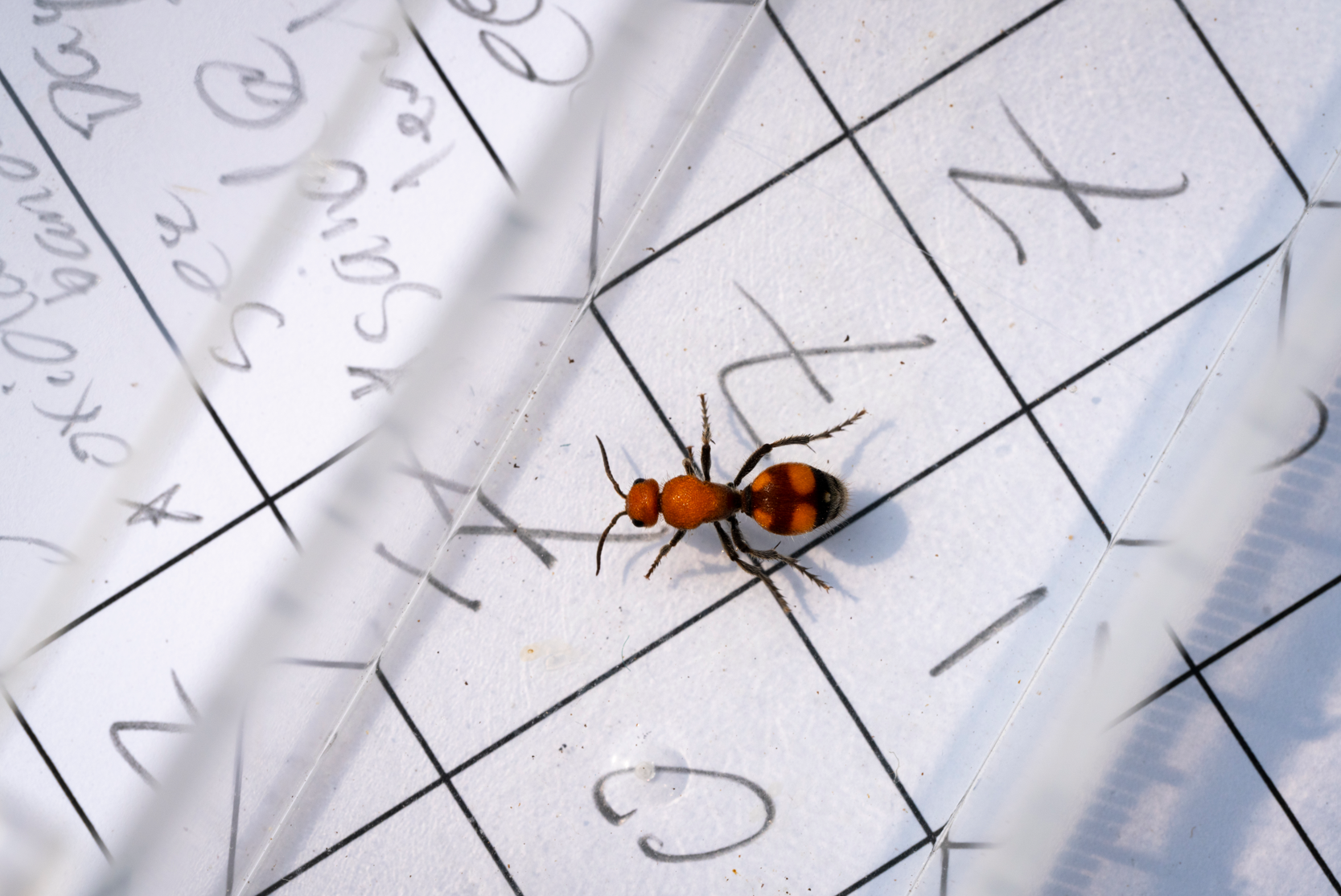
Biodiversity surveys help us understand the variety of wildlife found across Northern Michigan and how those communities are changing over time. Sleeping Bear Wildlife Fund conducts surveys to document species distributions, establish baseline population data, locate rare or at-risk species, and identify habitats of high conservation value. Depending on the species being studied, our teams use a variety of non-lethal research methods, including live trapping, visual encounter surveys, acoustic monitoring, trail cameras, and specialized light traps that attract nocturnal insects. By returning to sites over time, we can detect changes in species occurrence, abundance, and community diversity that may otherwise go unnoticed. The information collected through these surveys helps identify emerging conservation concerns and provides the scientific foundation needed to develop habitat management, restoration, monitoring, and species recovery strategies that protect Northern Michigan's biodiversity.
Ways to Help Insects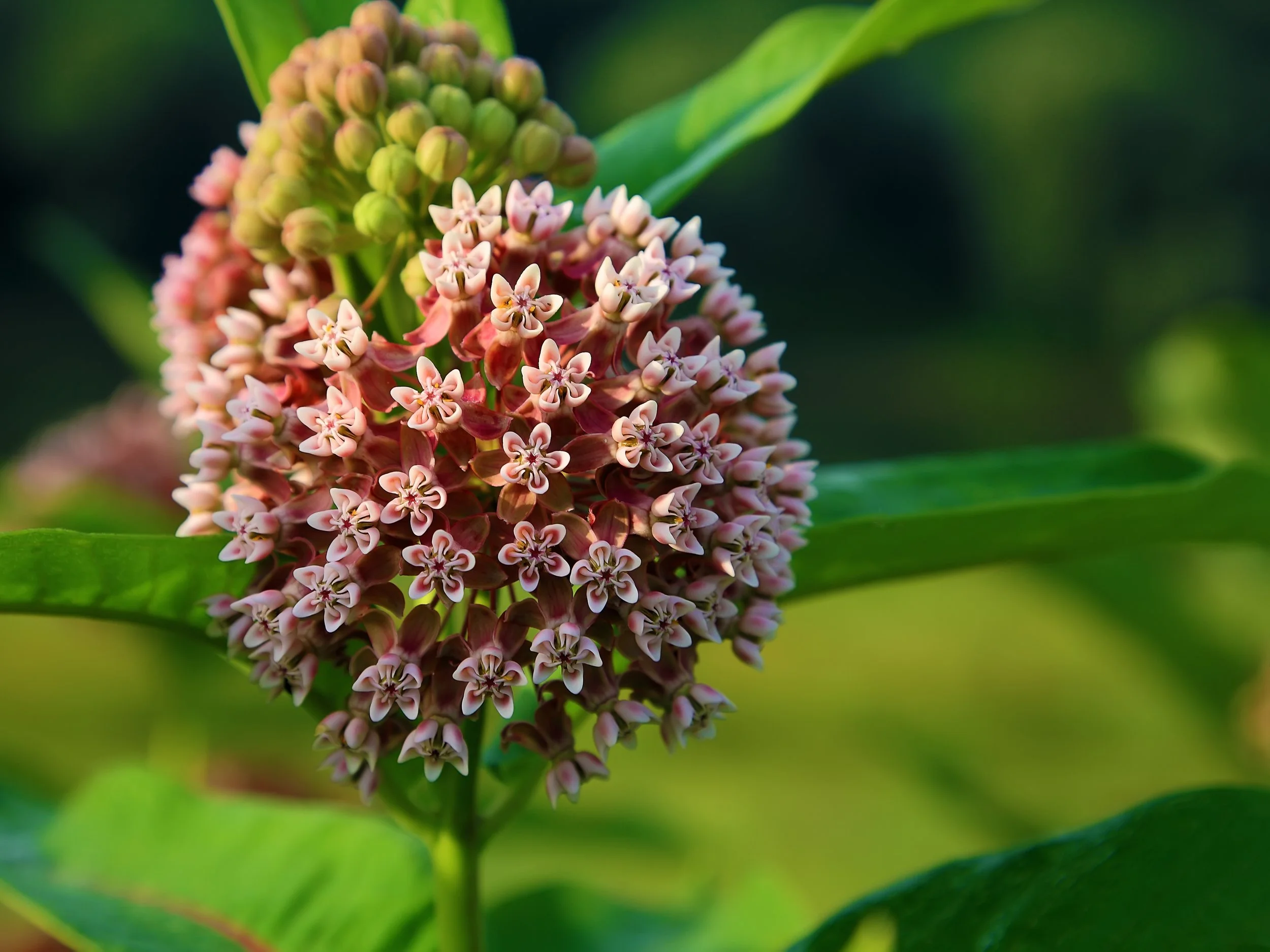
Reduce Pesticide Use
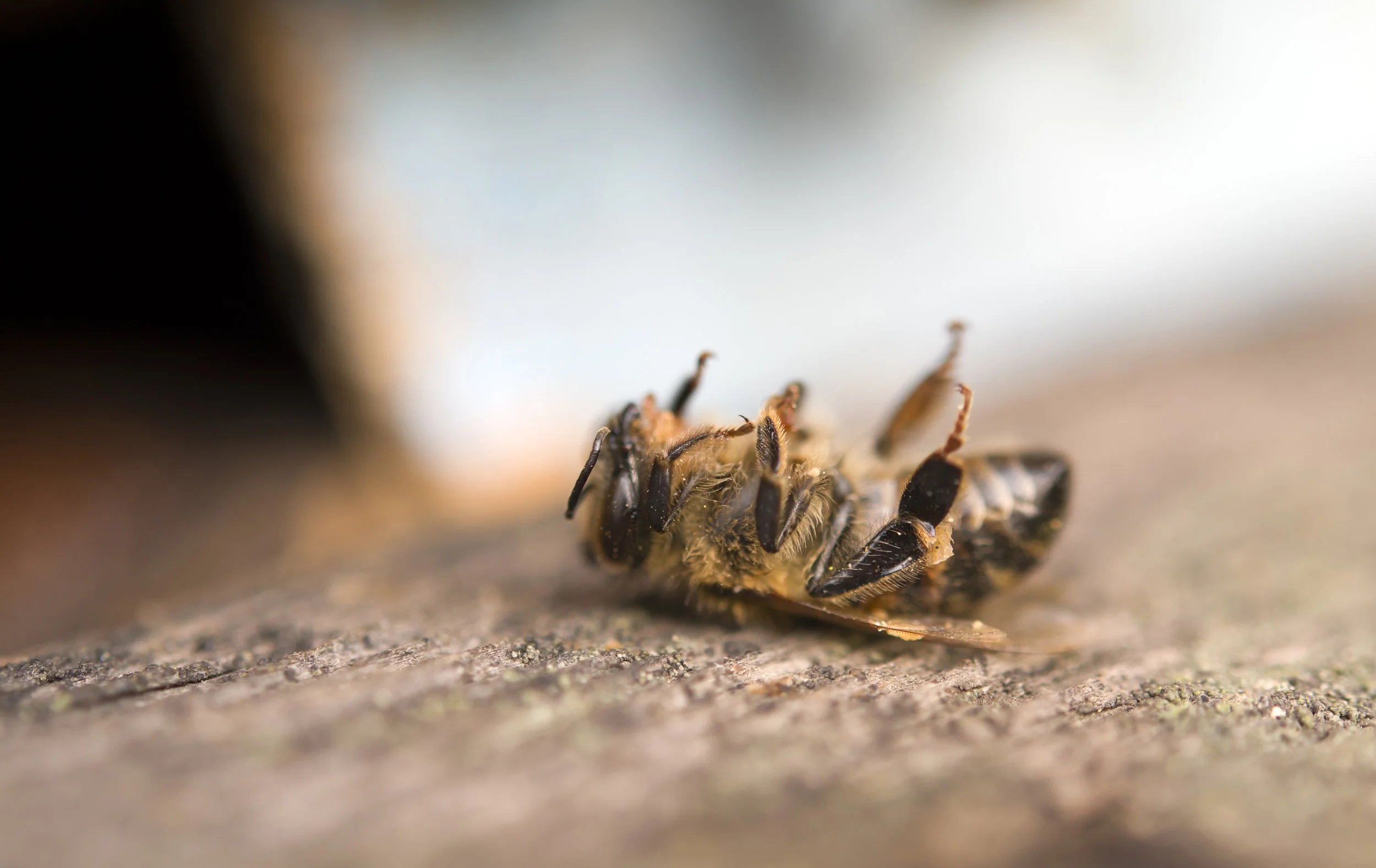
Many insecticides—including those intended for garden pests—can harm beneficial insects. Reducing or eliminating pesticide use, especially broad-spectrum insecticides and unnecessary lawn treatments, helps protect pollinators and other important insects.
Plant Native Plants
Native plants and native birds have evolved together for thousands of years, forming deep ecological relationships that support healthy ecosystems. Birds rely on native plants not only for berries, seeds, and nuts, but also for the insects and other wildlife these plants support. By choosing native species in your landscaping projects and reducing the use of ornamental, non-native plants, you can create habitat that provides food, shelter, and nesting opportunities for local wildlife. Even small changes in a backyard or garden can help support birds, pollinators, and an entire network of native species.
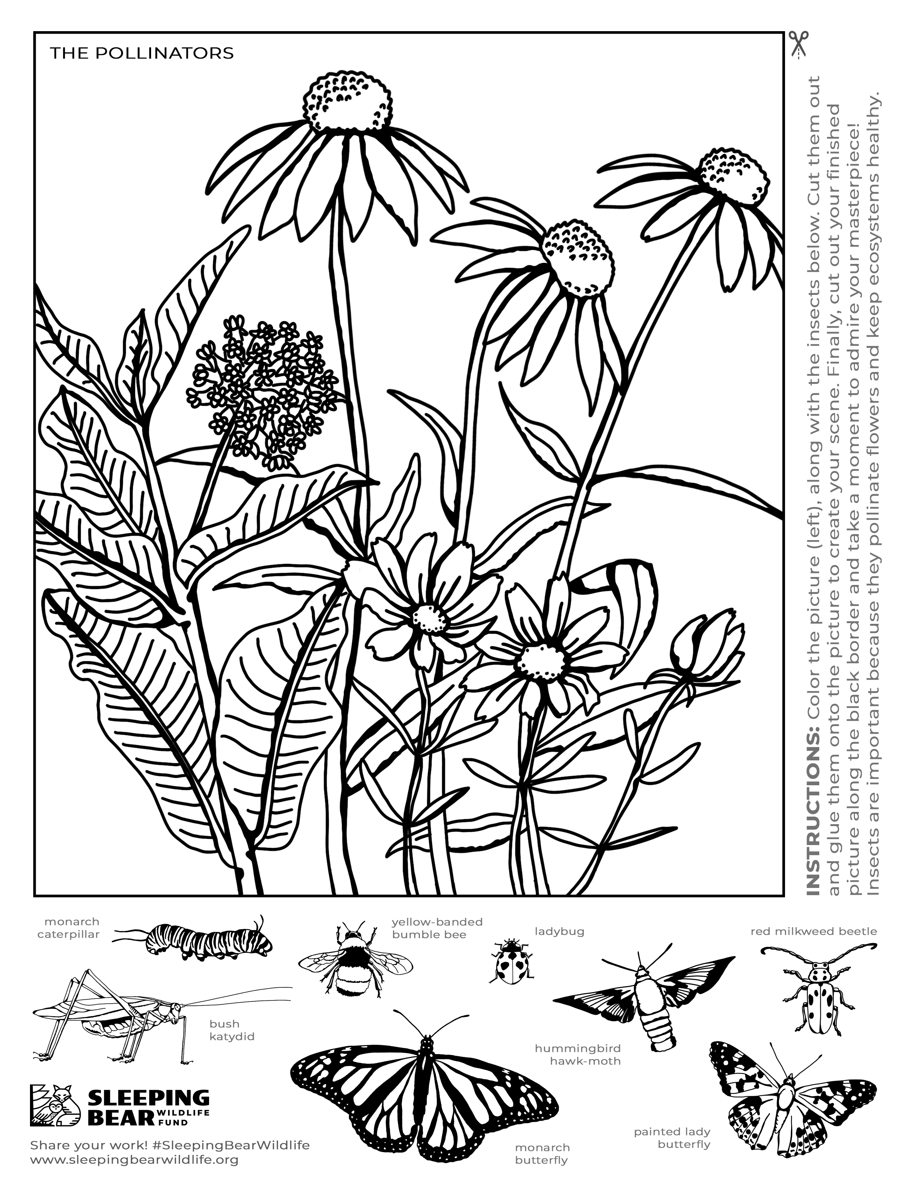
Insect Activities