I FOUND AN ANIMALWhat to Do if You’ve Found an Animal.If you see an animal that you believe needs help, please stop briefly and observe the animal from a distance. Try to minimize your movements so you are not stressing the animal out. Watch the animal for at least 10 minutes, in most cases, the animal may be in a situation it can work itself out of on its own. In other cases, the parents of that animal may come back during that time.
If you observe the animal and still believe it needs help, please call 231-590-8639.
If you have not captured it, keep an eye on the area to be sure the scene is safe for the animal. Keep pets leashed or indoors, and keep children and interested adults at a safe distance. Consider capture using a towel, gloves, or a box, depending on what the situation calls for. We will give you more interactions over the phone.
If you have captured the animal, start by isolating it in a cardboard box. Keep it in a dark, quiet area. Do not let anyone (children or adults) hold it or talk to it. Keep pets away from the area. Imagine if you were suddenly being held by a giant creature, loudly speaking another language! Wild animals are not like our pets, and are not comforted by stroking or cooing. Leaving them as alone as possible is their best chance for survival.
Call us or text
231-590-8639

Things to Note Before Calling:What kind of animal is it?
Where did you find it? (Near a road or window, in a backyard, etc.)
When did you find it, and how long has it appeared to need help?
What were the circumstances? (Recent storm, tree work, nest removal, pets, etc.)
Are there any obvious signs of injury? (Wing droop, head bobbing, open wounds, etc.)
If it’s a baby, are you sure it’s orphaned?
Have you provided any care? If so, what?
Give us a call and we will run through these questions with you to determine the best course of action.
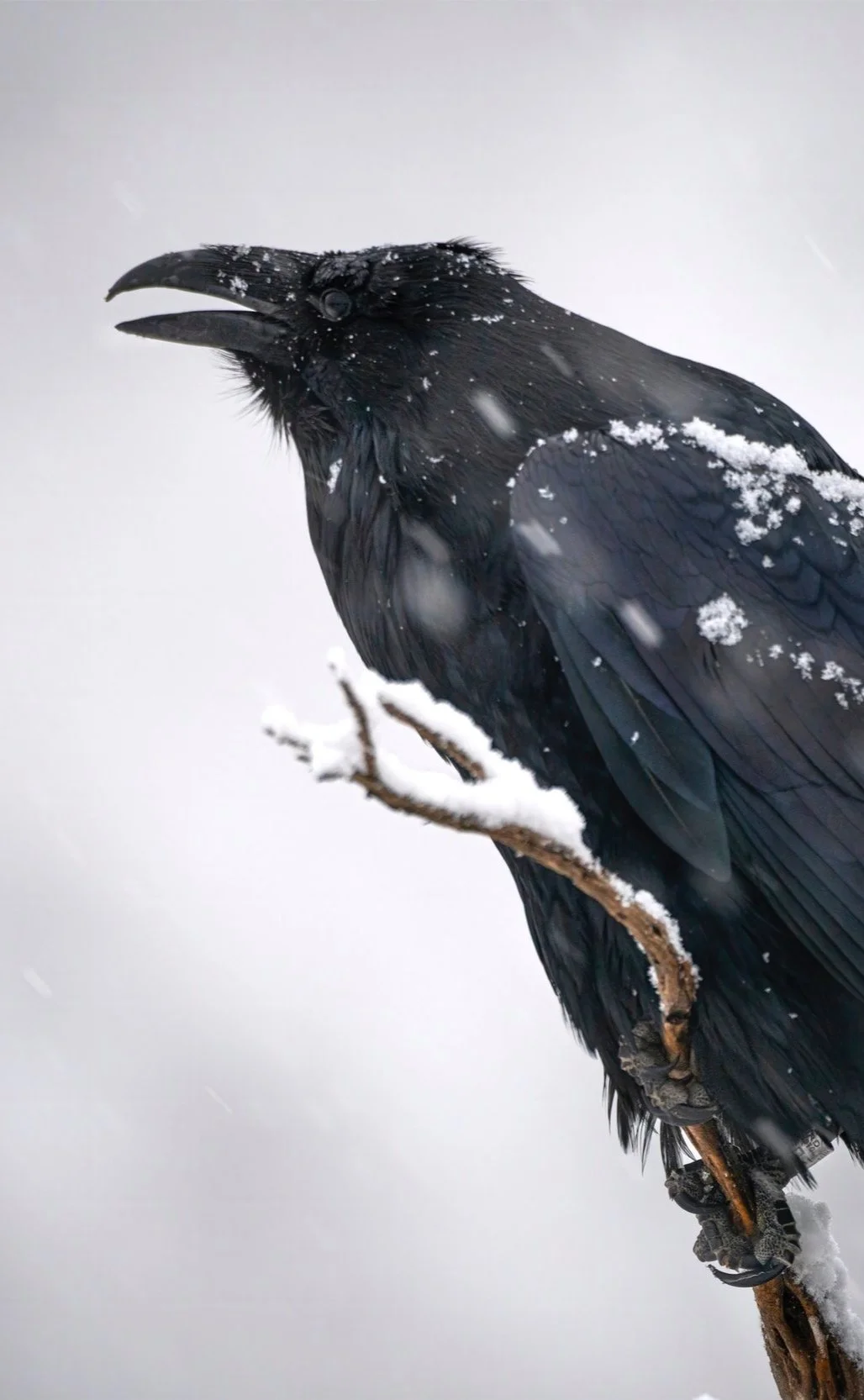
What to Send UsTexting us a picture is often the best way to help us ID and understand the situation. Safety first, though! Do not put yourself or anyone else in danger just to get a picture of an injured or orphaned animal.
Please note that we will always encourage reuniting juveniles with their parents. No matter what species, the adults know much more about raising them than humans do, so as long as they are safe from pets and people, we will always try to insist on keeping wild families together.
Our sincerest wish is to become a full-service center for all wildlife in need across the state. However, so as not to outdo ourselves in the meantime, please note that we are only permitted for small mammals, raptors, and non-migratory birds right now. This includes squirrels, opossums, hawks, owls, and falcons. It does not include songbirds, waterfowl, raccoons, larger mammals, or deer. Even if we cannot take the animal, we hope to connect you with the appropriate facility, help arrange transport, or otherwise help resolve the situation.
Here is a map of licensed wildlife rehabilitators in Michigan, created from the DNR list.
The State of Michigan does not allow any rehabilitation of bats, bears, skunks, adult deer, mute swans, elk, and moose. (Admittedly, we’d be surprised to receive a call about those last two.)
Support our Rehabilitation Work