SONGBIRD CONSERVATION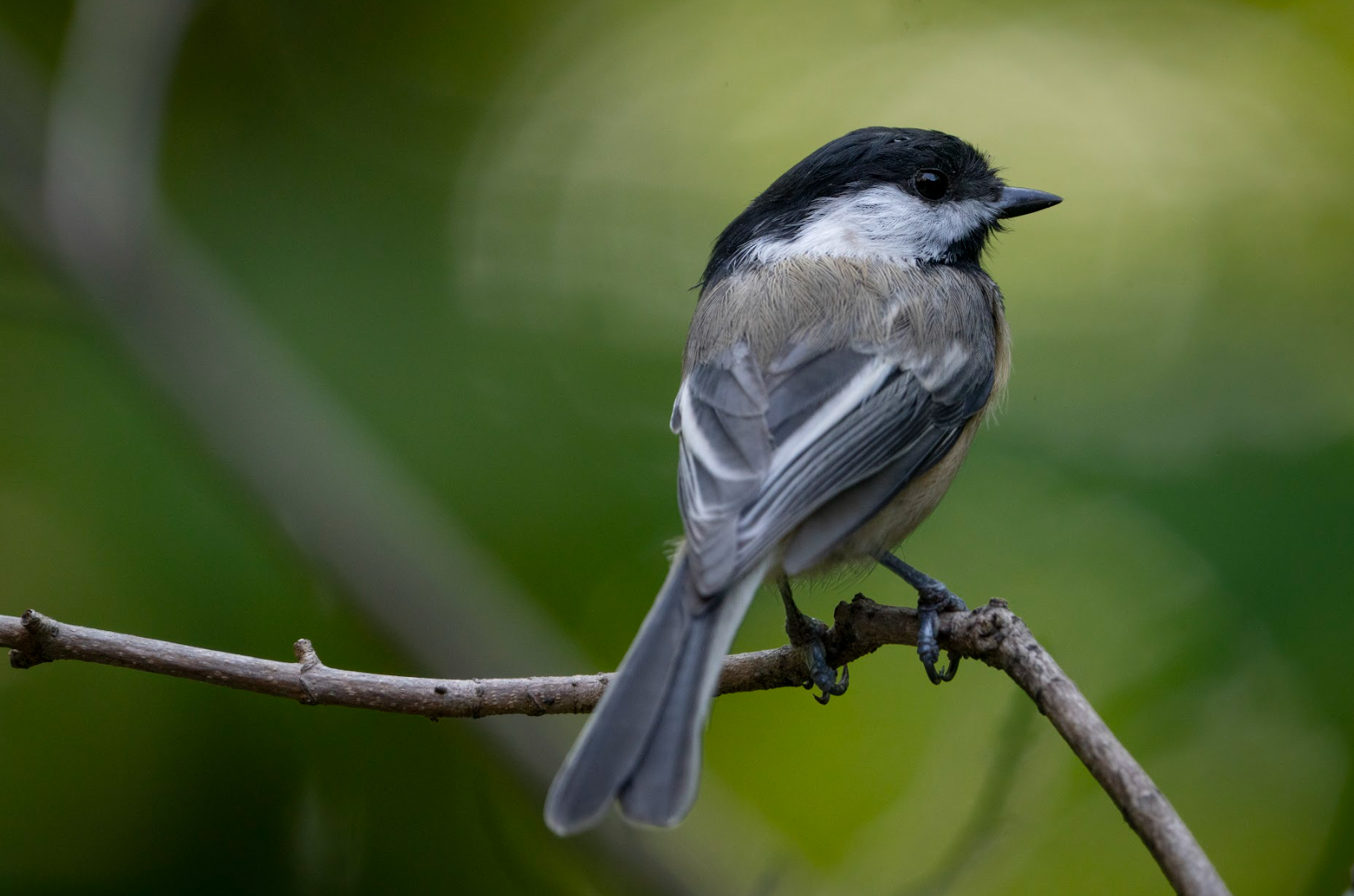
North American Songbirds
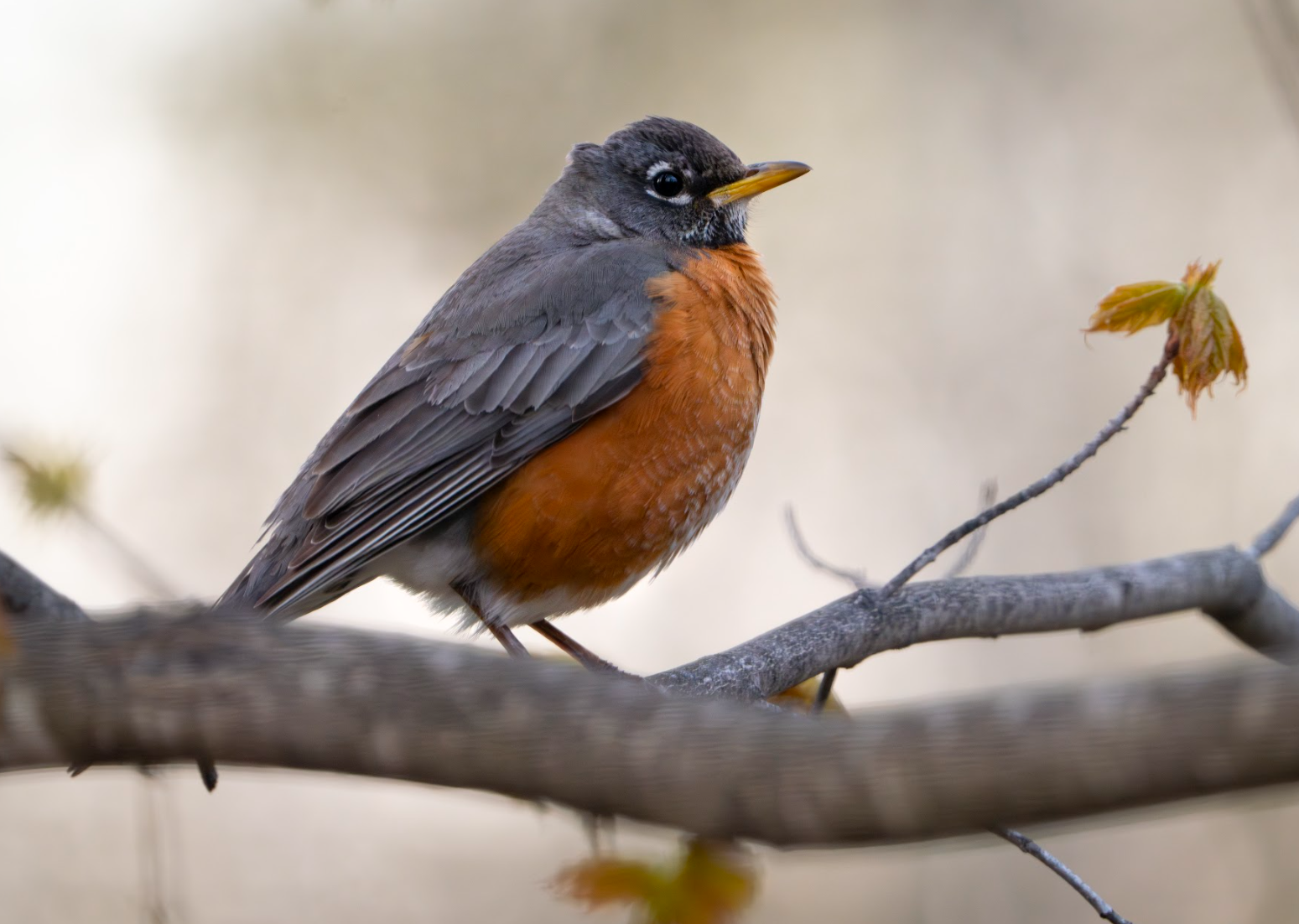
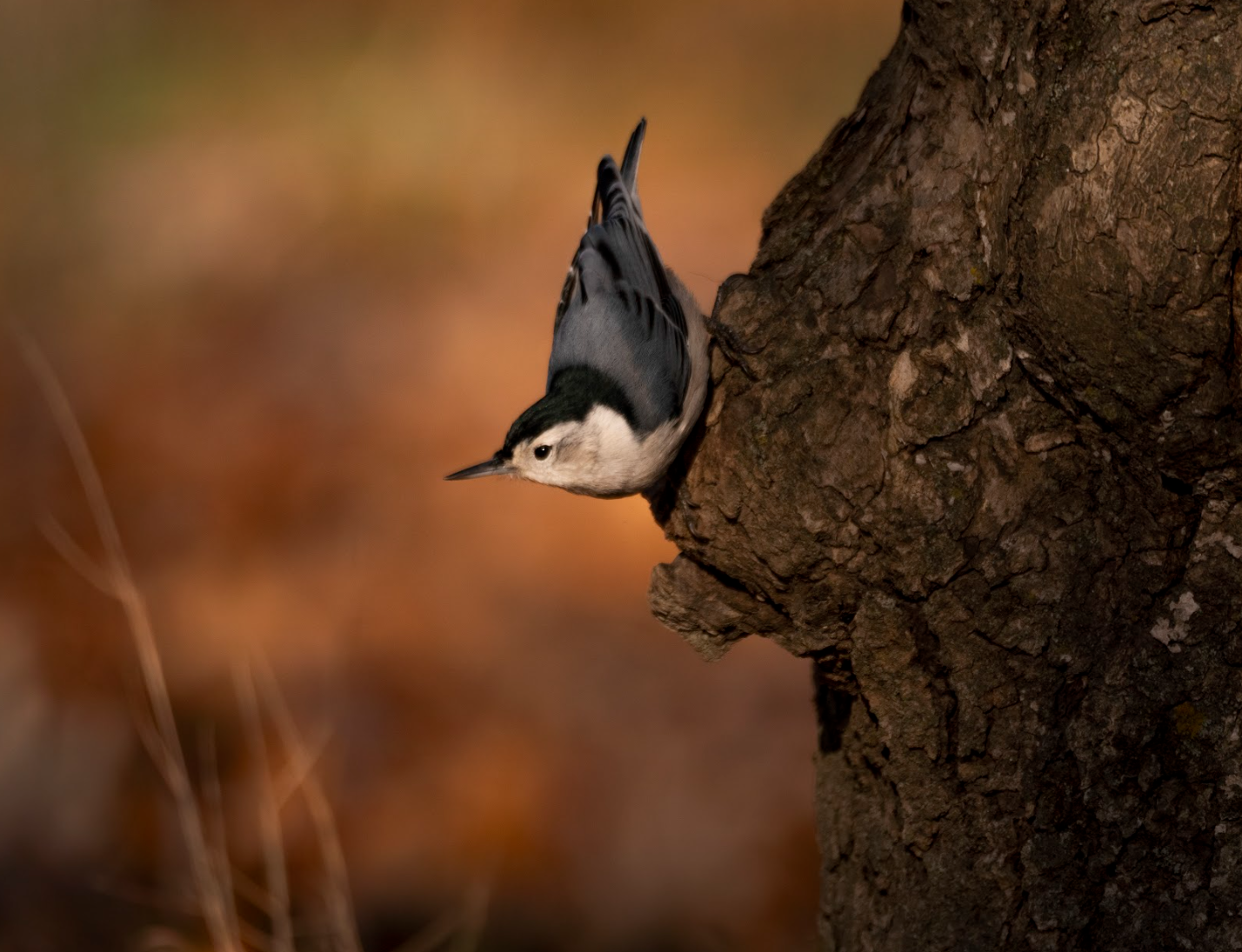
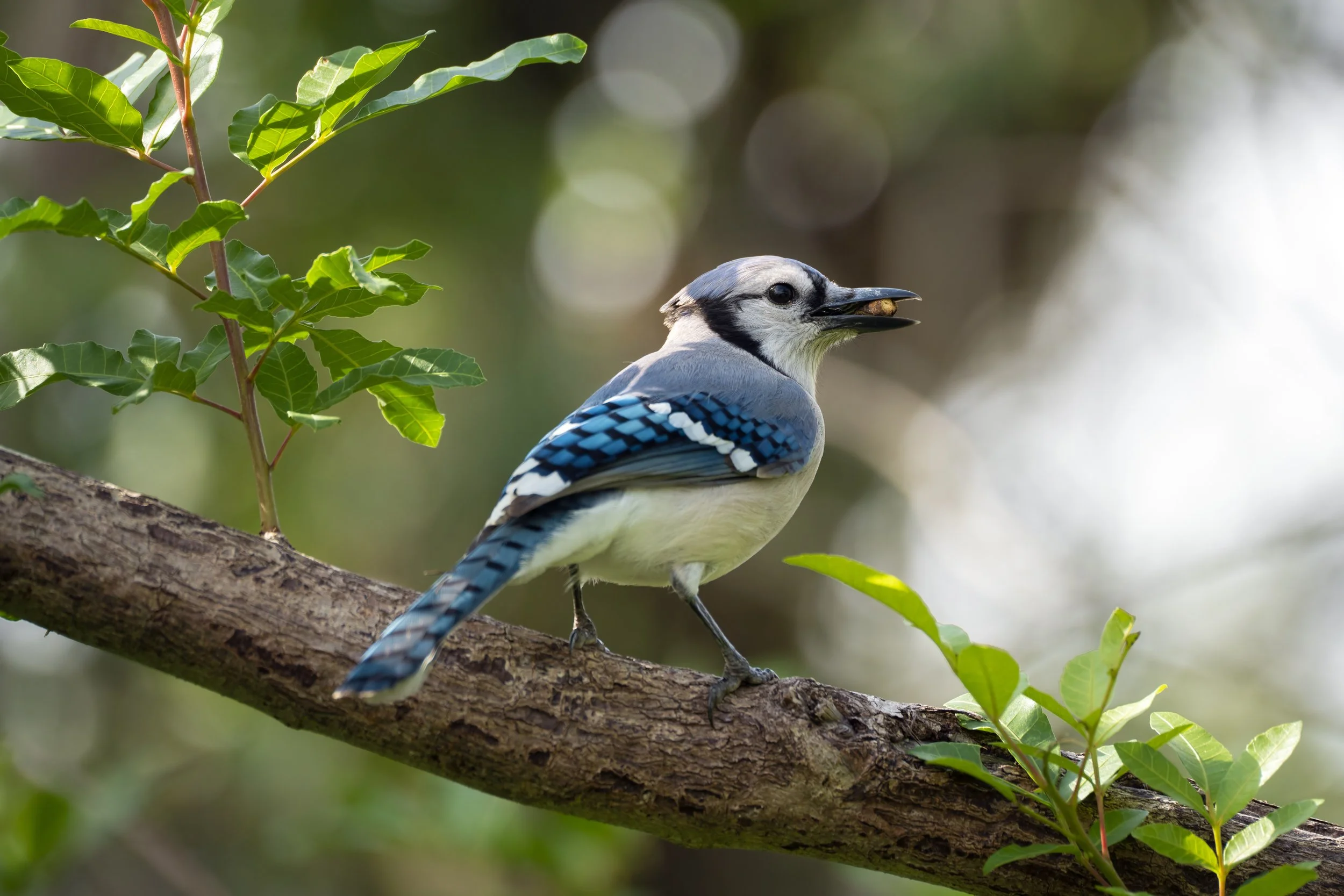
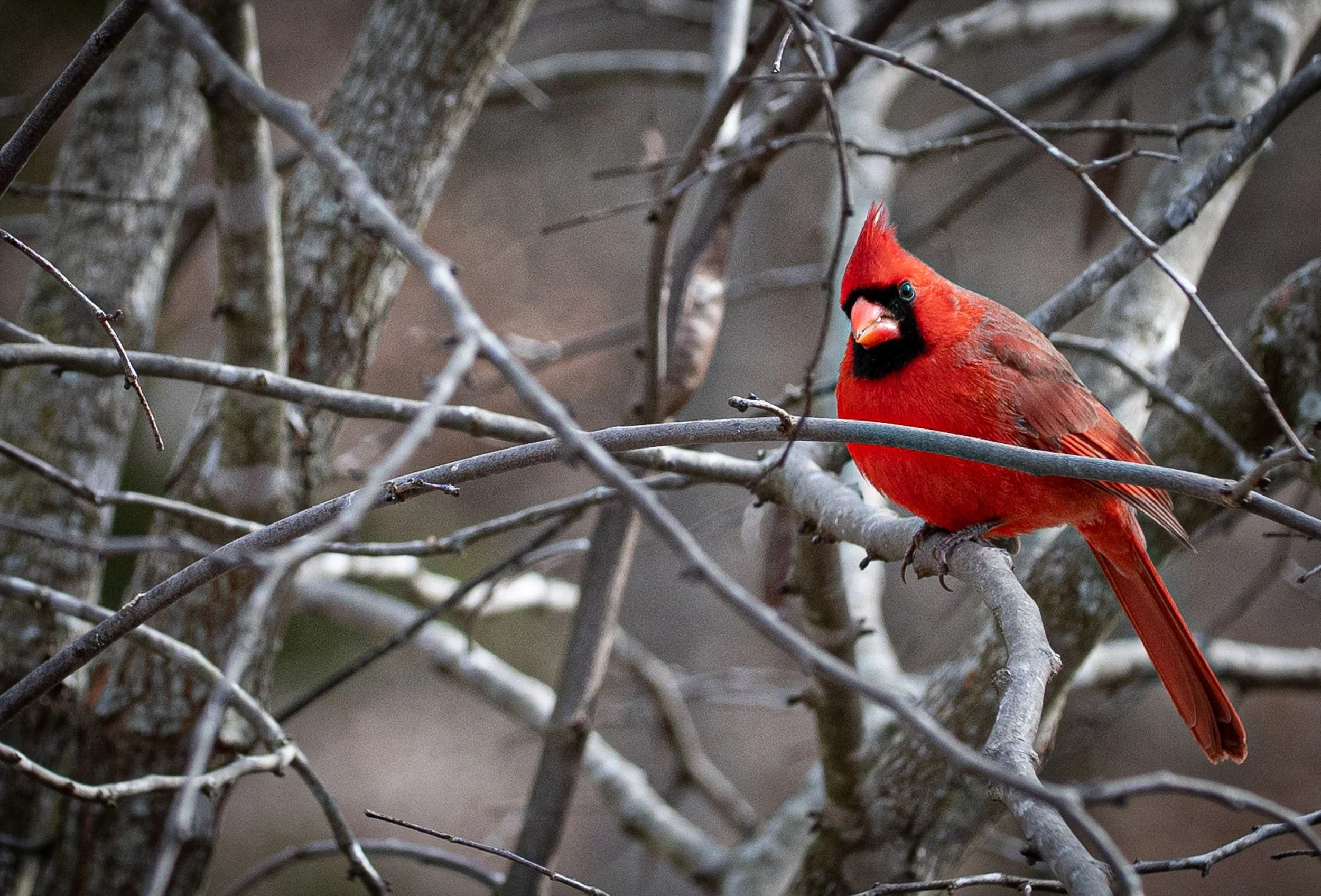
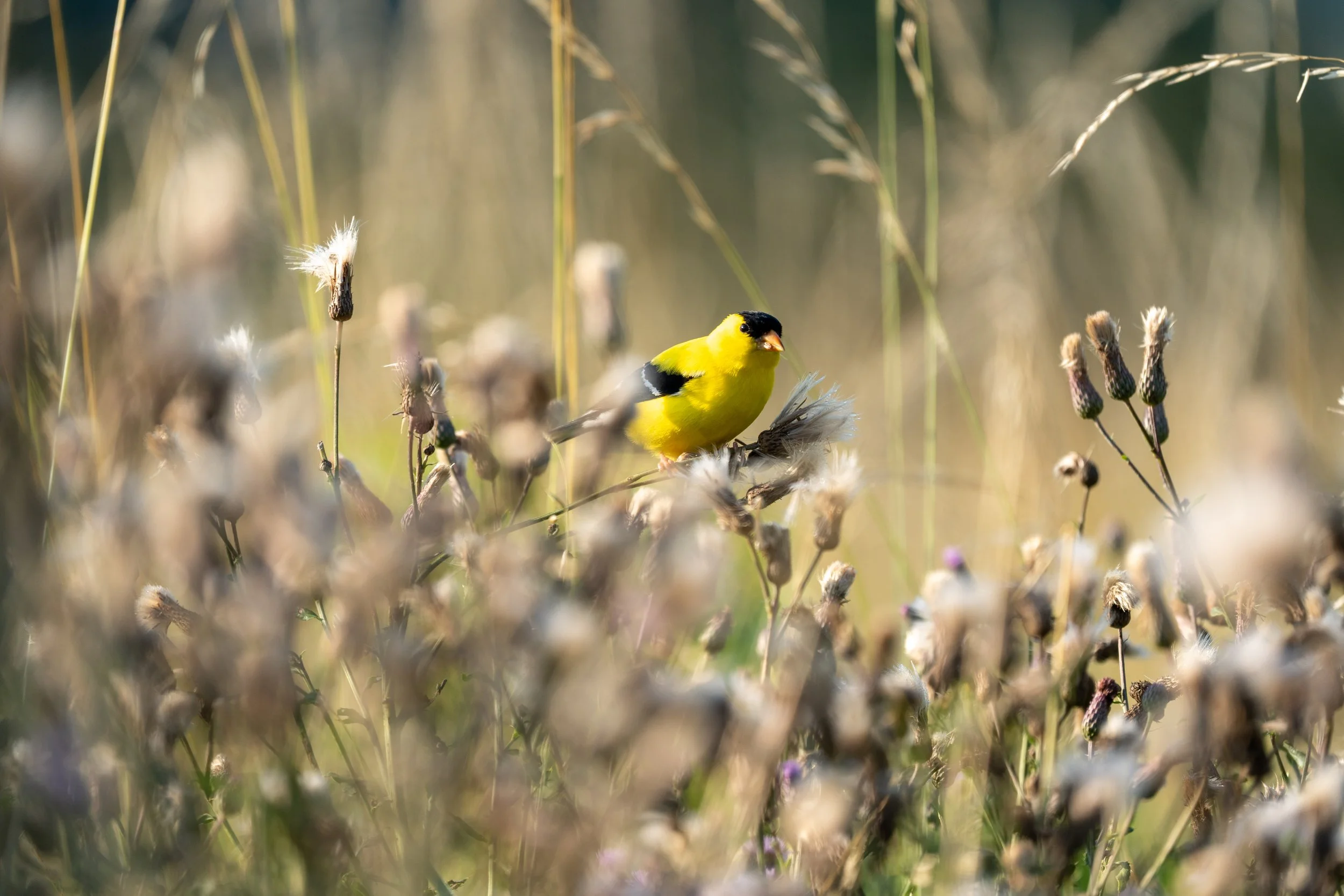
Songbirds are among the most familiar animals in our gardens, neighborhoods, parks, and forests—but they are also one of the most threatened groups of birds in the world. Many species are experiencing major population declines due to habitat loss, climate change, pesticide use, window collisions, outdoor cat predation, and the replacement of native plants with non-native landscaping that provides little food or shelter.
Despite their small size, songbirds play a vital role in healthy ecosystems. They help control insect populations, pollinate plants, disperse seeds, and serve as an important part of the food web. Their presence is often a sign of a healthy environment, and declines in songbird populations can indicate broader ecological changes.
Michigan lies within the Mississippi Flyway, one of the largest bird migration corridors in the world, making the Great Lakes region especially important for migratory birds traveling between breeding and wintering grounds. Protecting forests, wetlands, and native plant communities across Northern Michigan helps provide critical habitat for these species throughout their journeys. By supporting songbirds, we also help protect the broader ecosystems that both wildlife and people depend on.
Our Flagship Projects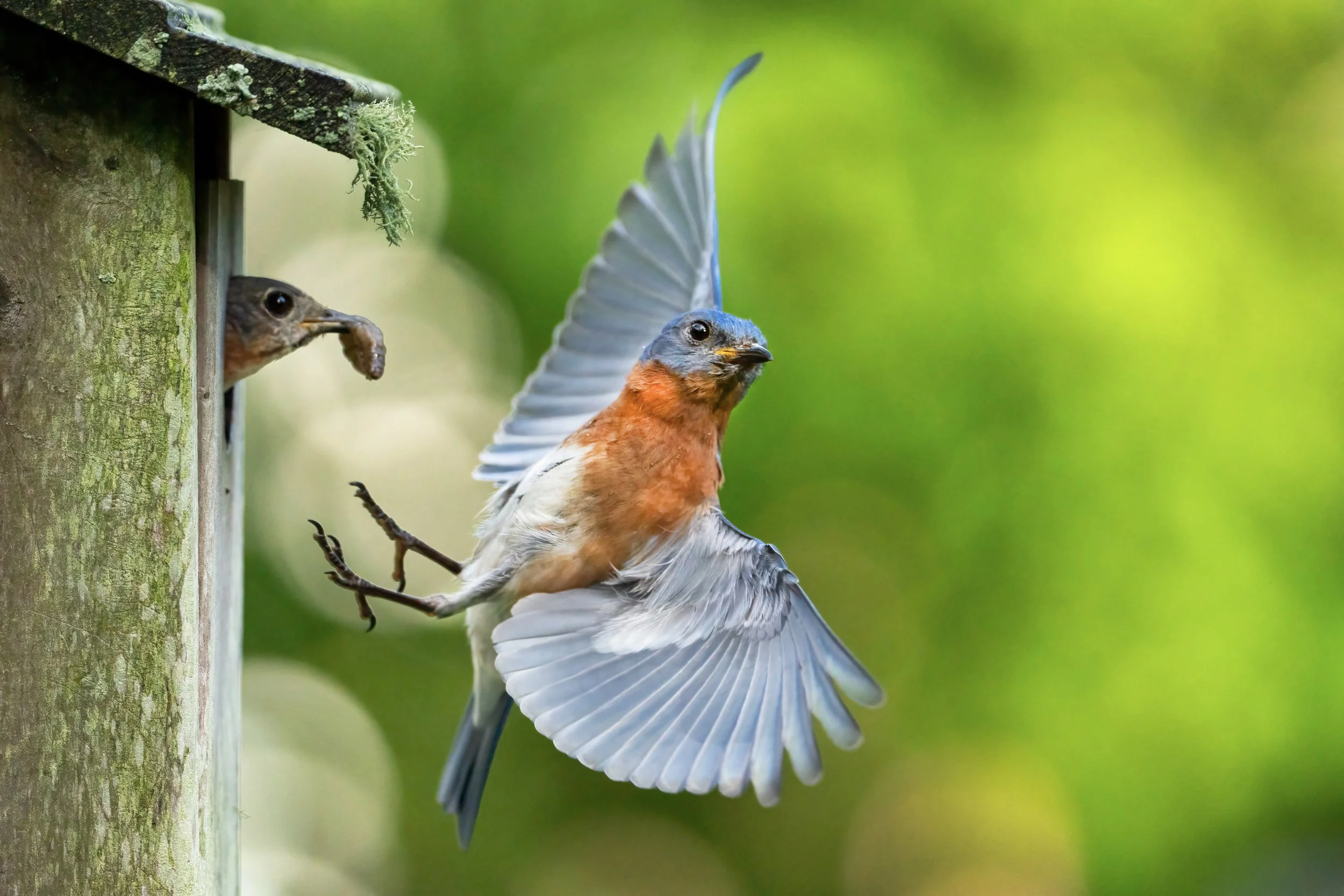
Bluebird Habitat Restoration
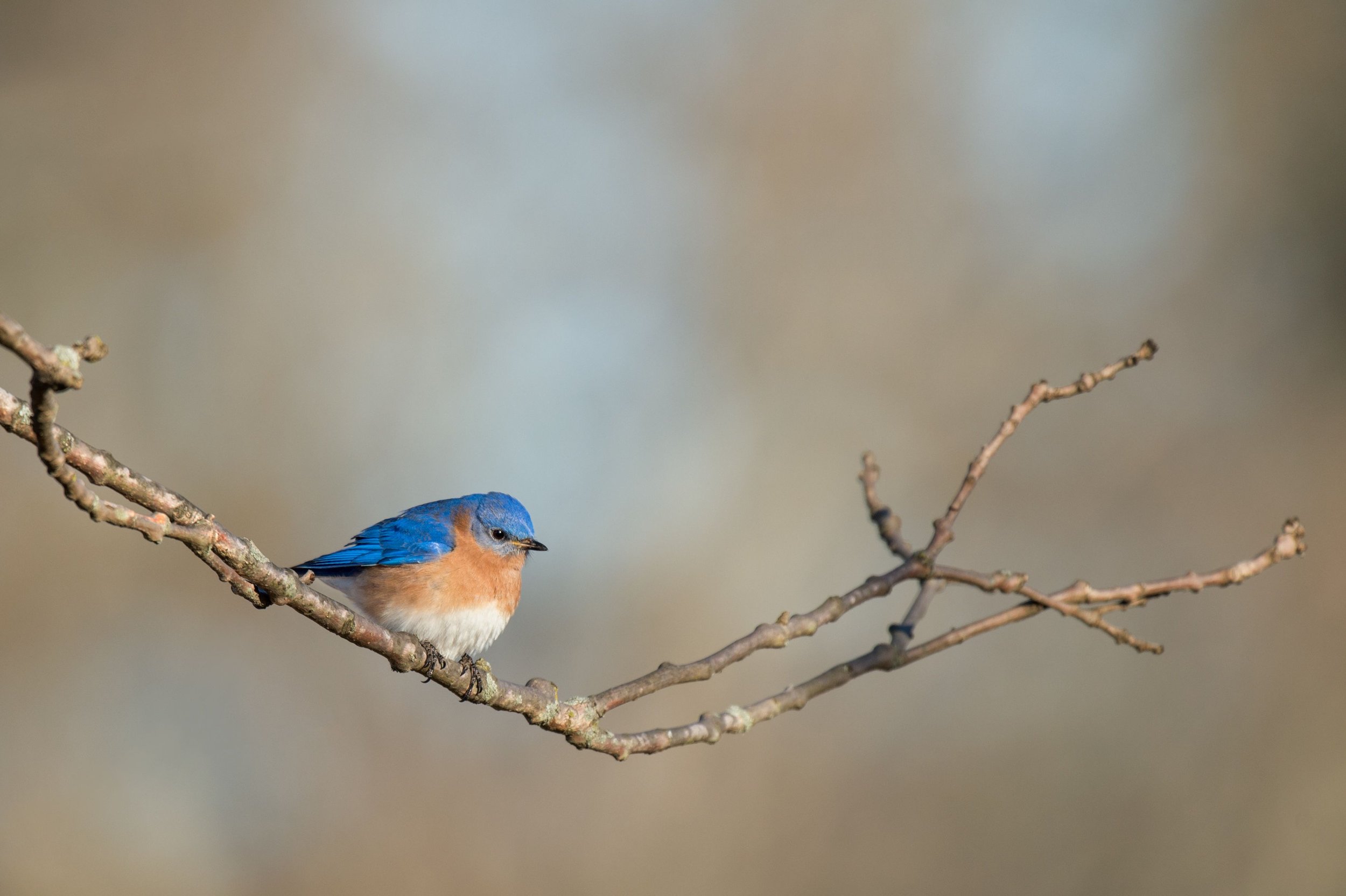
Eastern bluebirds are colorful native songbirds found in open habitats across Michigan, where they nest in tree cavities and birdhouses and feed primarily on insects and berries. They face growing challenges from habitat loss and competition with invasive species for nesting space. To support local populations, Sleeping Bear Wildlife Fund is building and installing specially designed bluebird houses at schools across Benzie County, helping both the birds and students connect with local wildlife conservation.
Ways to Help Songbirds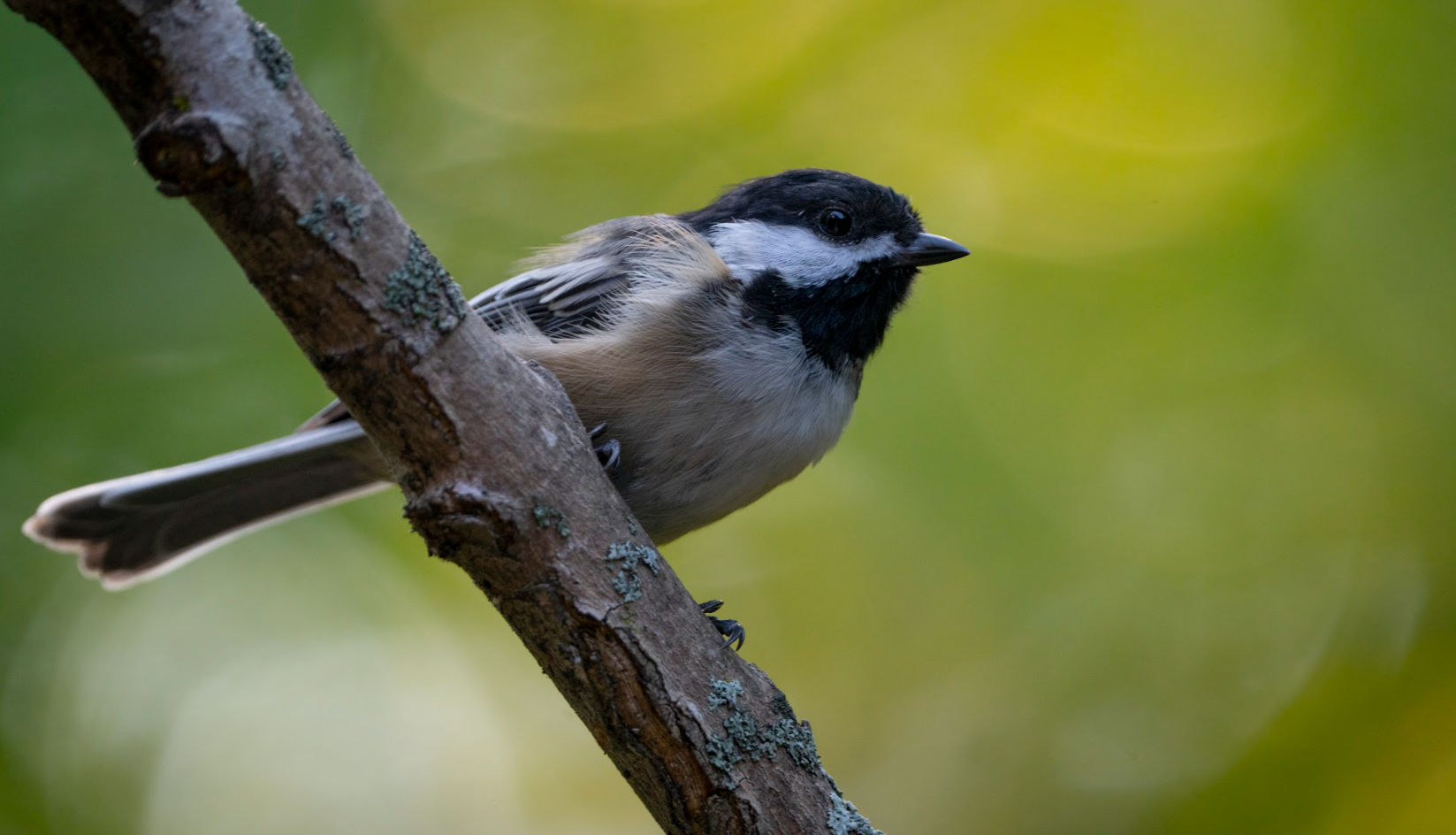
Reduce Bird Collision with Windows
Learn more about how to help birds during migration and how to reduce birds from accidently flying into your windows with a few tips from our blog.
Plant Native Plants
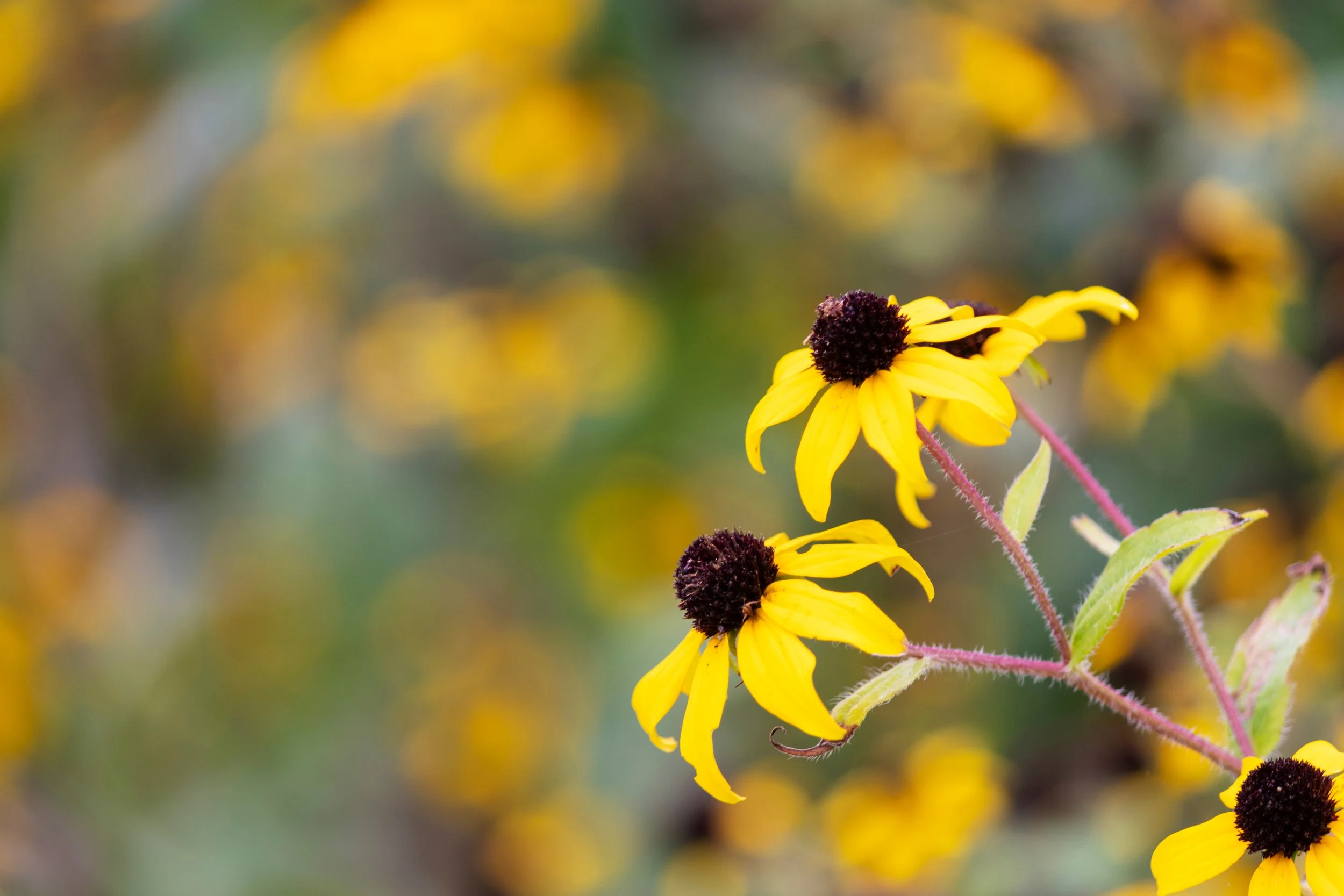
Native plants and native birds have evolved together for thousands of years, forming deep ecological relationships that support healthy ecosystems. Birds rely on native plants not only for berries, seeds, and nuts, but also for the insects and other wildlife these plants support. By choosing native species in your landscaping projects and reducing the use of ornamental, non-native plants, you can create habitat that provides food, shelter, and nesting opportunities for local wildlife. Even small changes in a backyard or garden can help support birds, pollinators, and an entire network of native species.
Keep Cats Indoors
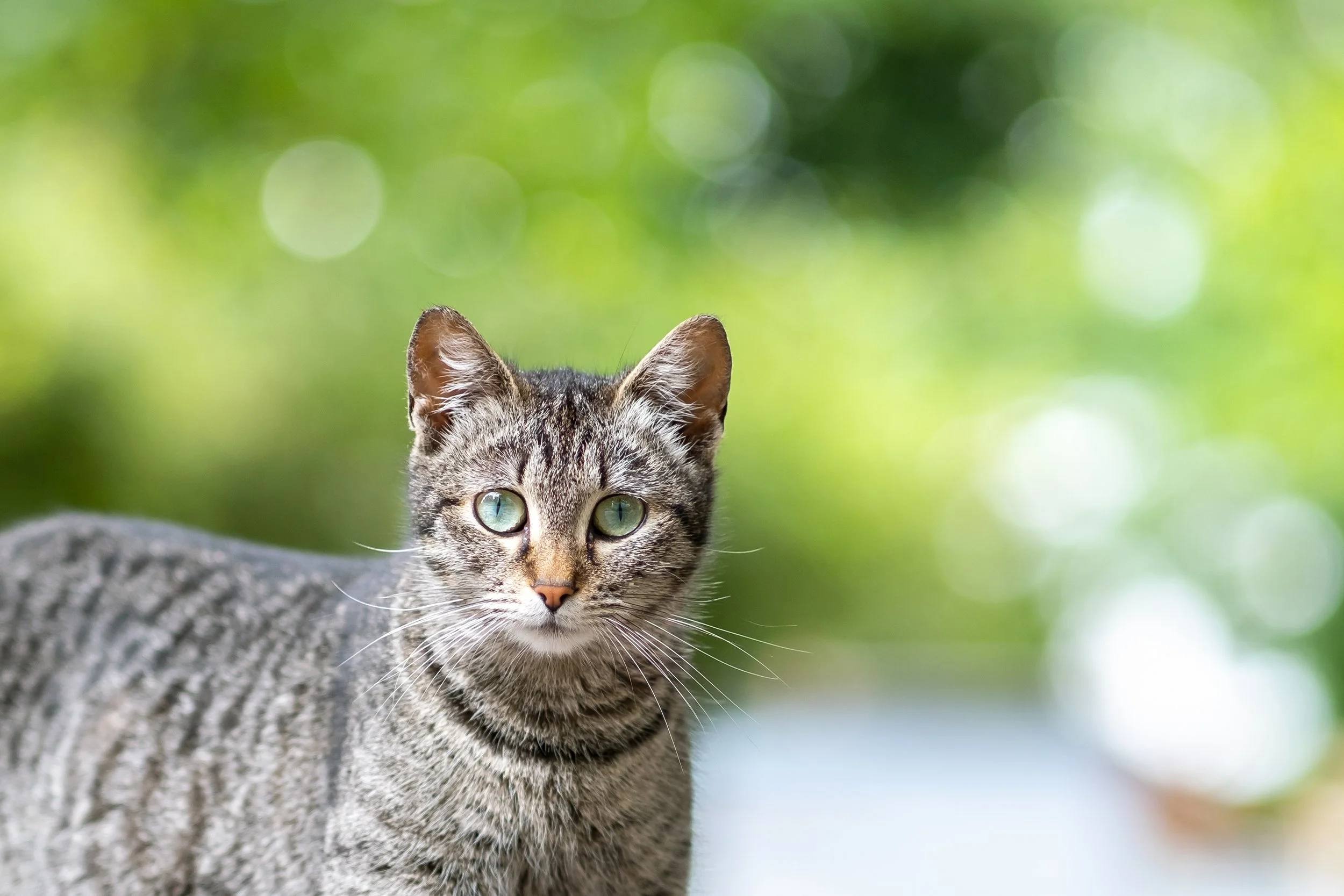
Free-roaming domestic cats are one of the leading human-related threats to songbirds and other small wildlife. Cats hunt birds, mammals, reptiles, and amphibians, disturb nesting habitats, and injure countless wild animals each year. In some parts of the world, free-ranging cats have even contributed to the extinction of native bird species. Keeping cats indoors is one of the most effective ways to protect local wildlife while also keeping pets safer from traffic, disease, and predators. If outdoor access is necessary, consider supervised time outside, enclosed “catios,” or using a collar with a bell or other wildlife-warning device to help reduce impacts on birds and other animals.