OUR APPROACH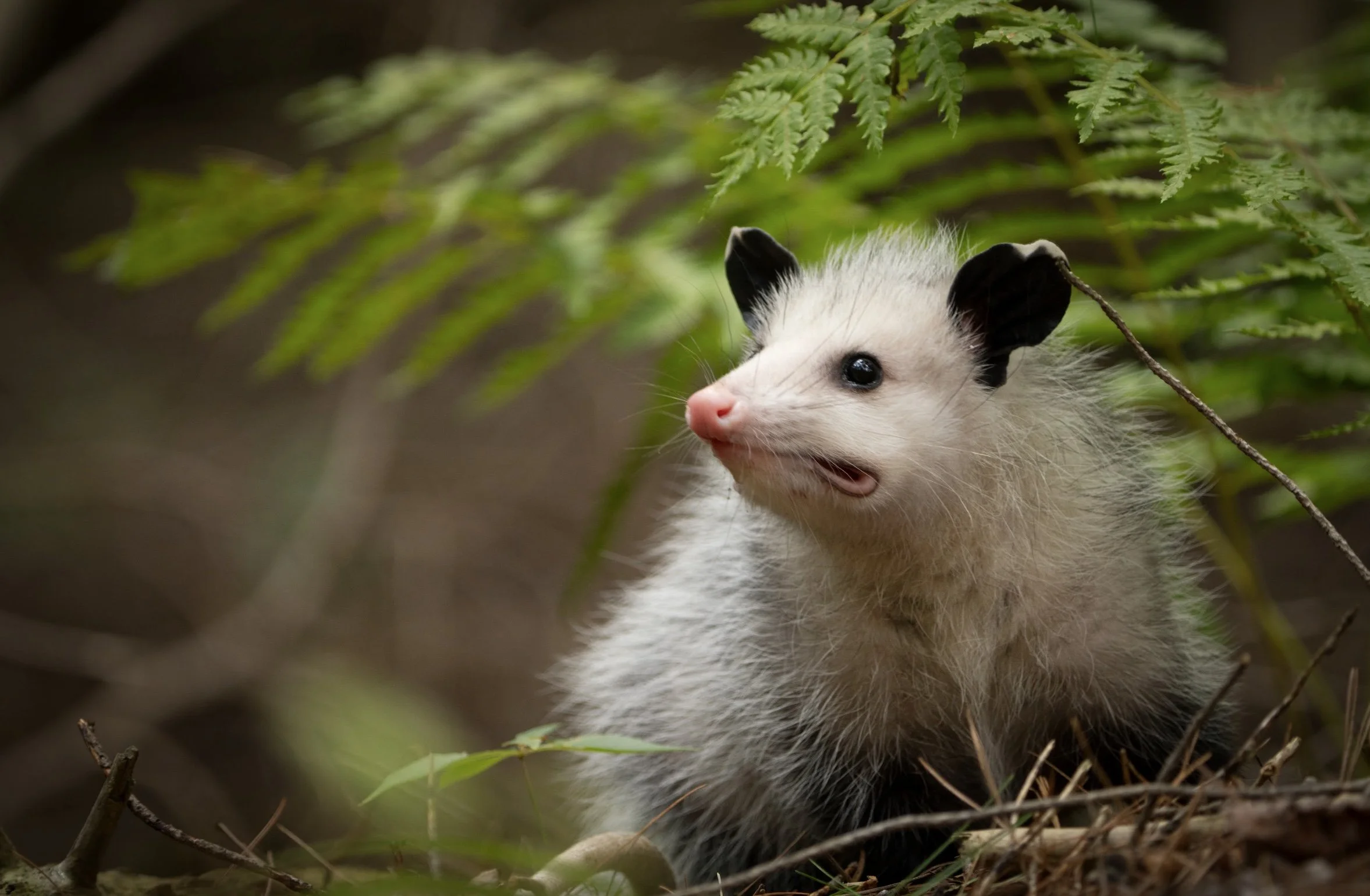
Keeping the “Wild” in WildlifeOur Philosophy The ecosystem we live in today was forged over time through tiny interactions between climate, geology, plants, and animals. Every species has an important role to play in their habitat, and helping maintain this balance is our primary focus.
Wildlife rehabilitation is important in conservation because it provides a crucial lifeline for injured or orphaned animals, helping them recover and return to their natural habitats as fast as possible. It plays a significant role in preserving biodiversity in the region by rescuing and rehabilitating species that are challenged by human interactions. Animals that become sick or injured through natural processes should often be left alone. We only intervene when it is absolutely necessary, such as when an animal falls victim to the family pet or collides with an unnatural object.
Allowing nature to run its course and to keep animals in the wild supports the ecosystem as a whole, and helps promote healthy habitats. Our role is to mitigate human-wildlife challenges wherever possible. There are many steps to take before removing an animal from the wild, so check out our “I Found an Animal” page for more information and what to do if you think you have found an animal in need of help in your area.
Ready to help?Join our volunteer team and make a difference by helping transport, feed, and care for the animals in our care.
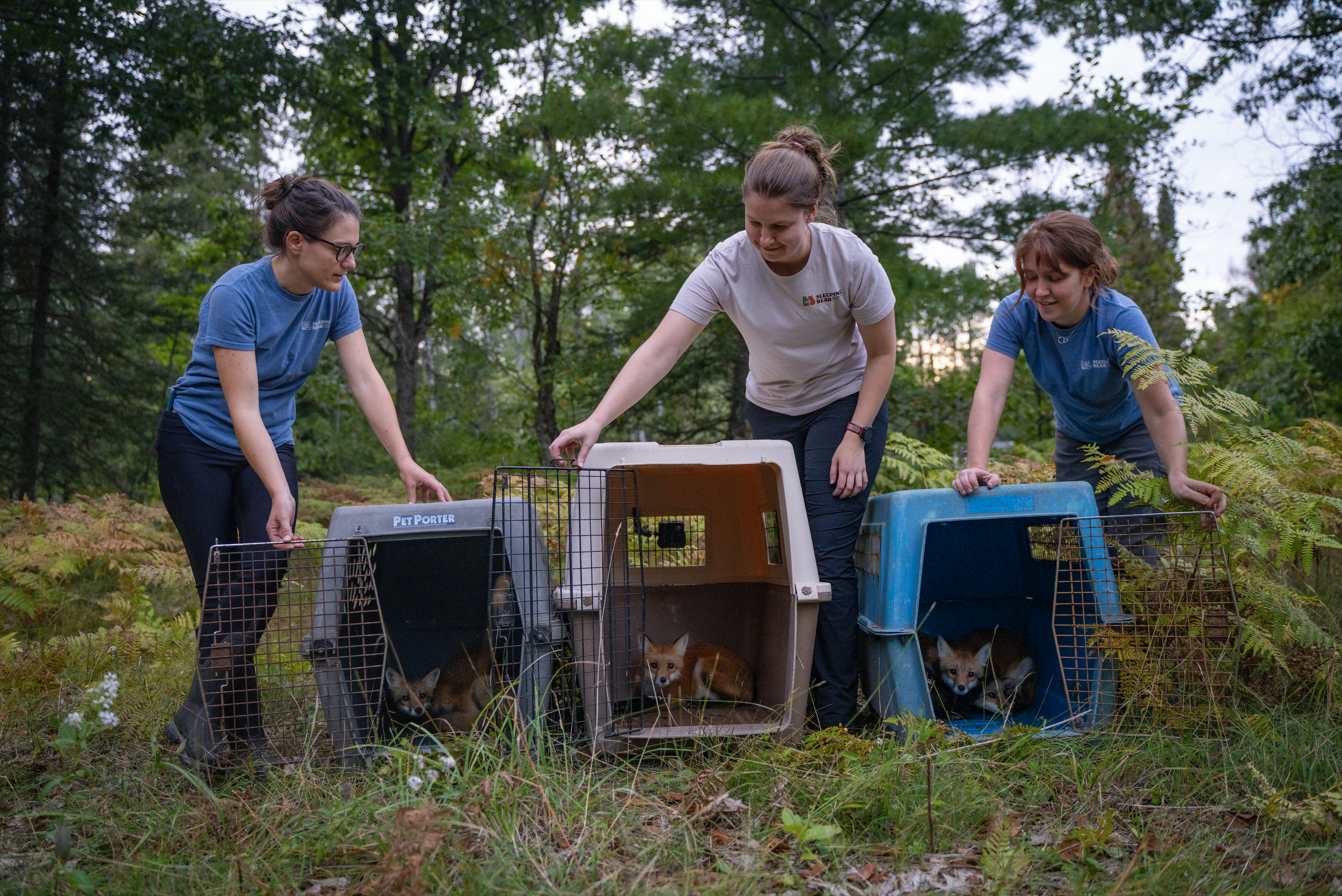
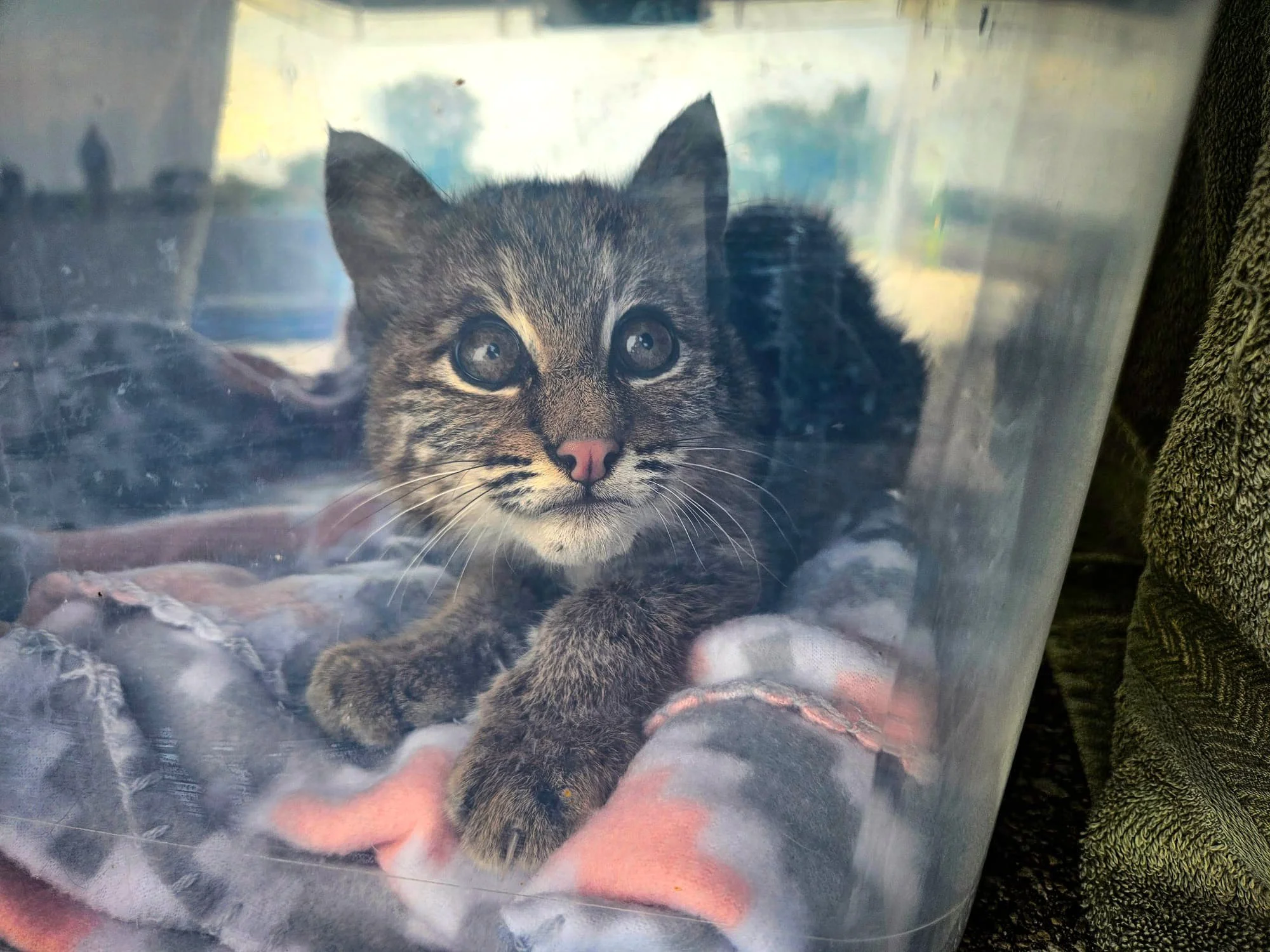
Wildlife RehabilitationWhen intervention is deemed necessary and within our abilities, we provide a quick response to remove the animal from the situation and provide a safe place for rehabilitation until the animal is ready to be released back into the wild. Through our experienced and trained staff and volunteers, we provide the necessary care to assist the animal in need. Often, we receive animals that are in a challenging medical state and must balance the probability of recovery with treating the animal humanely. It is a tough decision, but a service we provide that species nonetheless. For the animals deemed as good candidates for rehabilitation, we try to limit our interactions with that species as much as possible to avoid stressing the animal out further and to avoid any possible habituation to people.
Our most common patients are young, orphaned, or injured animals brought to us by people who care and act quickly when something goes wrong. When animals are admitted, we assess their condition, diagnose any issues, and provide necessary care or refer them to specialists when needed. For cases requiring advanced medical attention, we work closely with local veterinarians and partner facilities, often relying on volunteers to help transport animals to receive the care they need.

How can you help wildlife?Keep your cat indoors
Keep your dog leashed while on local trails
Check before you mow your lawn
Secure the lids on garbage containers when placed outside
Do not intentionally feed wildlife
Drive the speed limits and watch for animals crossing the roads
Use bird deterrent stickers on large glass windows
Plant native plants on your property
Use passive and behavioral methods to remove nuisance wildlife
Help us Help WildlifeProviding care for wildlife requires a steady supply of essential materials. Heating pads and bottle warmers
Cleaning supplies (paper towels, nitrile gloves, trash bags)
Newspapers for enclosure use
Medium to large pet crates for housing and transport
These items play a critical role in maintaining a safe, clean, and supportive environment for the animals in our care.
Get Involved
There are many ways to support this work beyond donations. We are always looking for volunteers to assist with animal care, cleaning, enclosure building, transportation, and administrative tasks. Each role plays an important part in helping us provide the best possible care for wildlife
If you’re unable to volunteer, you can still support our work by making a donation. Every contribution helps us continue this effort and respond when wildlife needs us most.
Wildlife Release Videos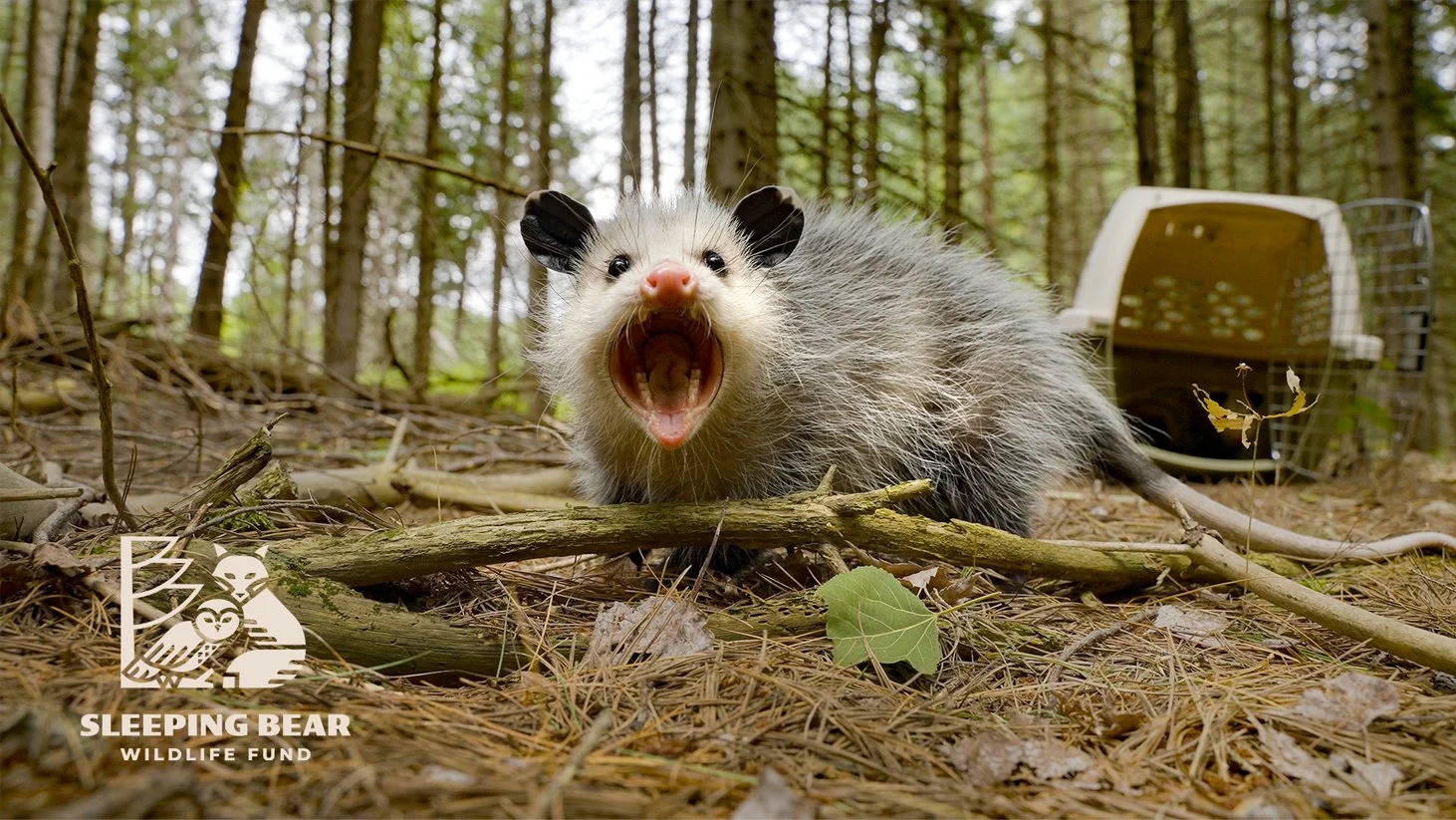
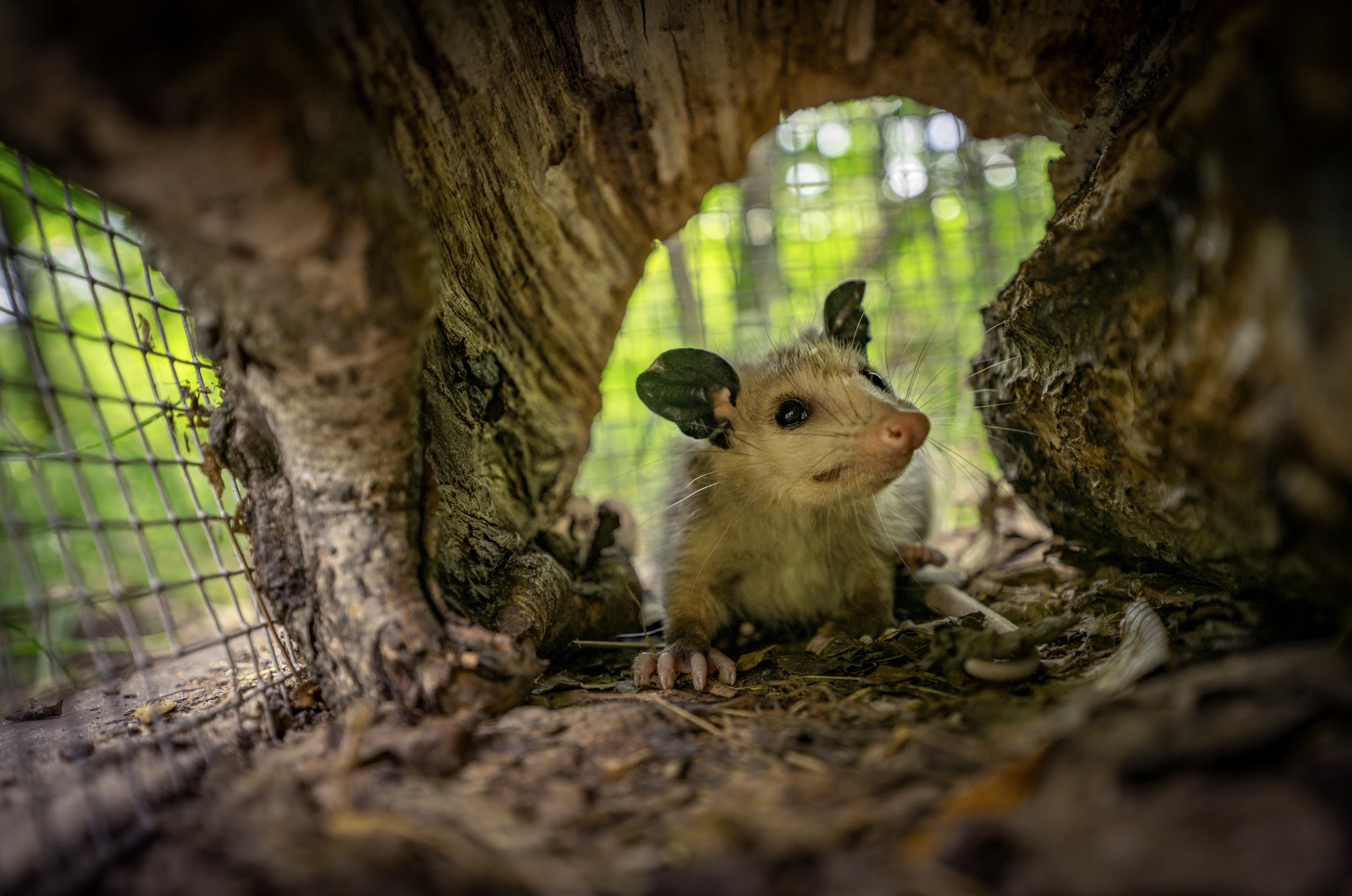
Opossum release | Two orphaned opossums are ready to return to the wild after months of rehabilitation at Sleeping Bear Wildlife Fund. Watch as they take their first steps back into nature—healthy, strong, and wild once again.


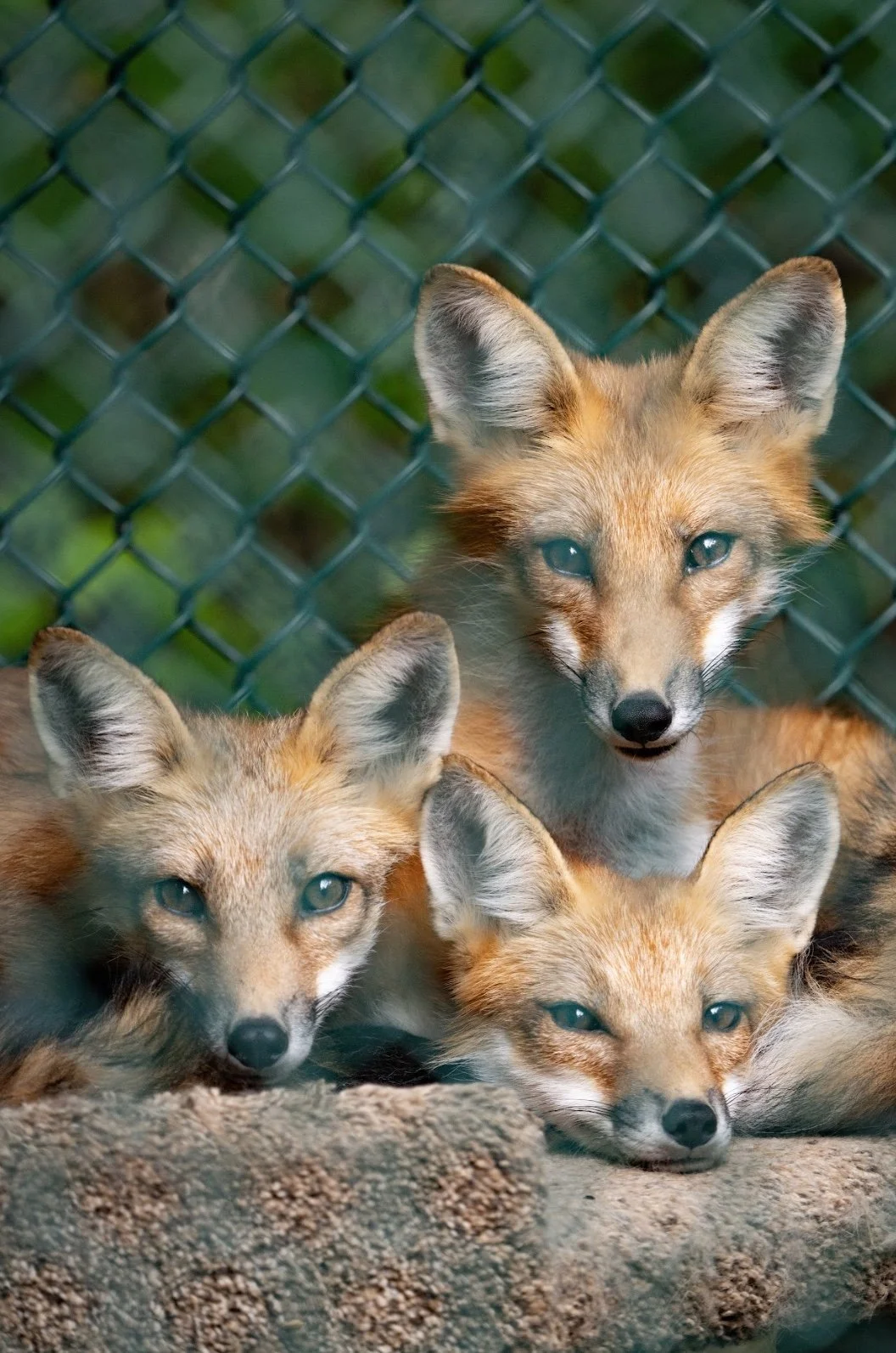
Red fox release | A red fox gets released back into the wild after a miraculous recovery.
Opossum release | Two opossums are released back into the wild after we received them as young orphans.

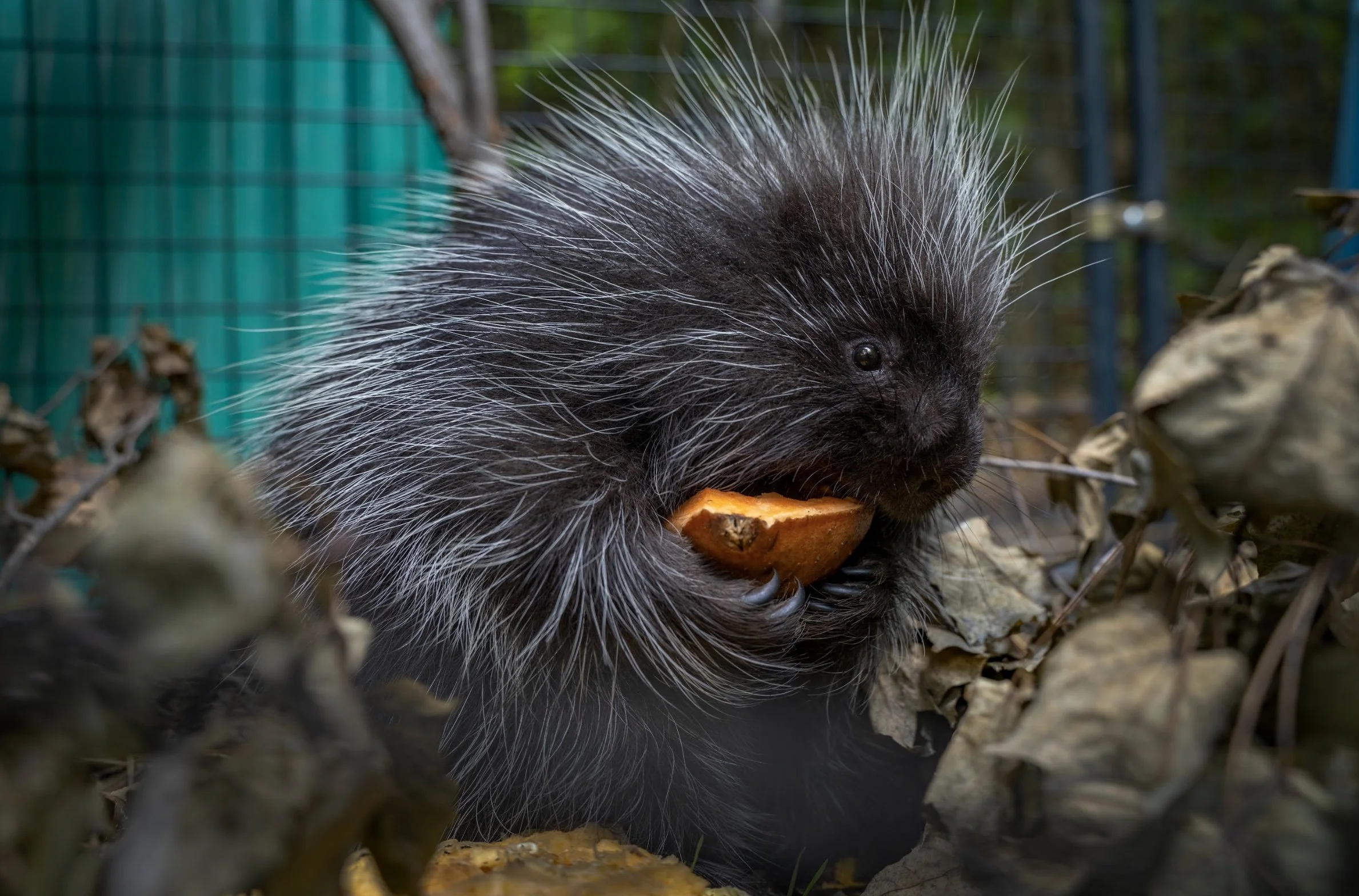
North American porcupine release | We released a porcupine back into the wild that was brought to us from another facility and needed a place to “crash” to get back on its feet.