Carrion Beetle Research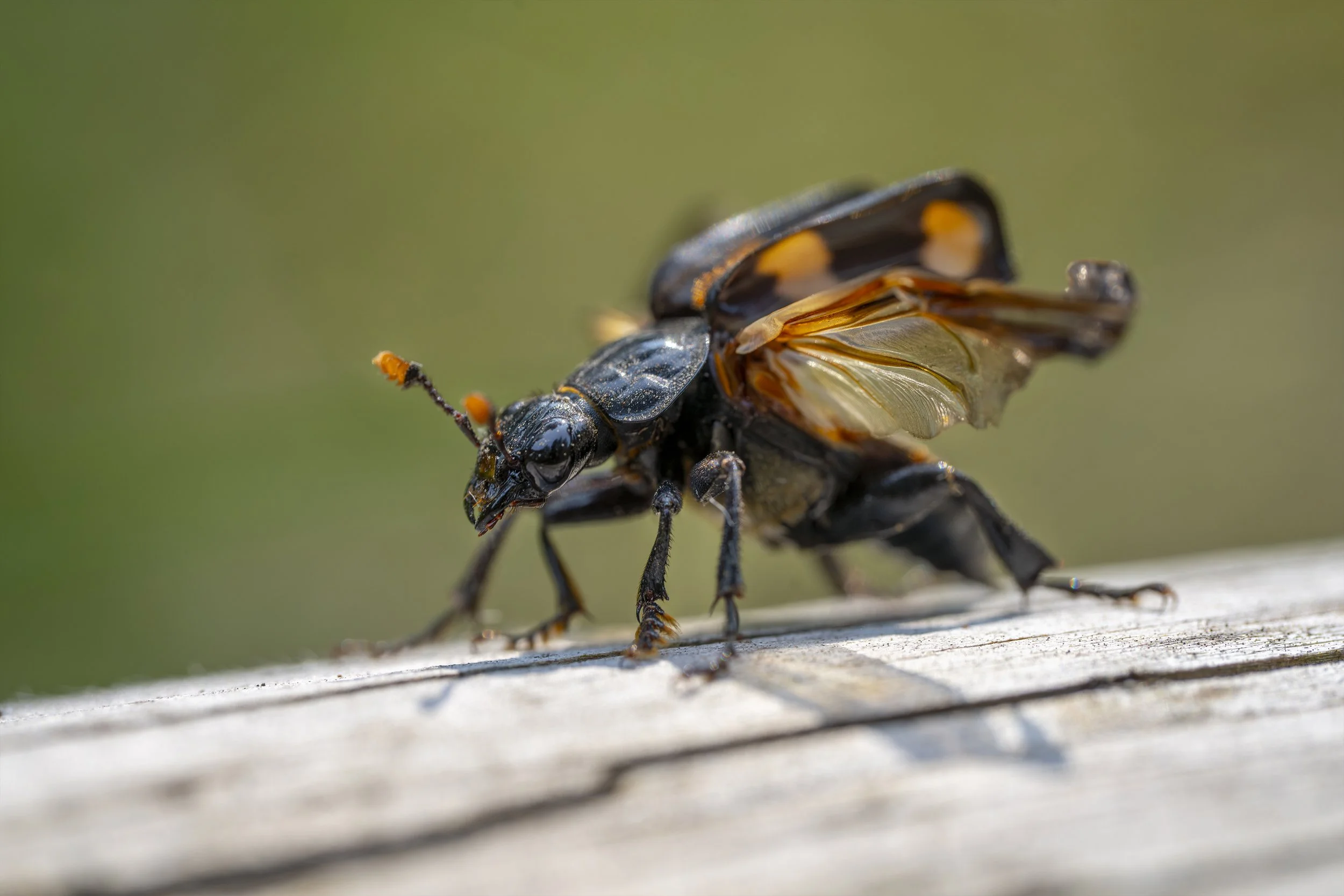
What are carrion beetles?
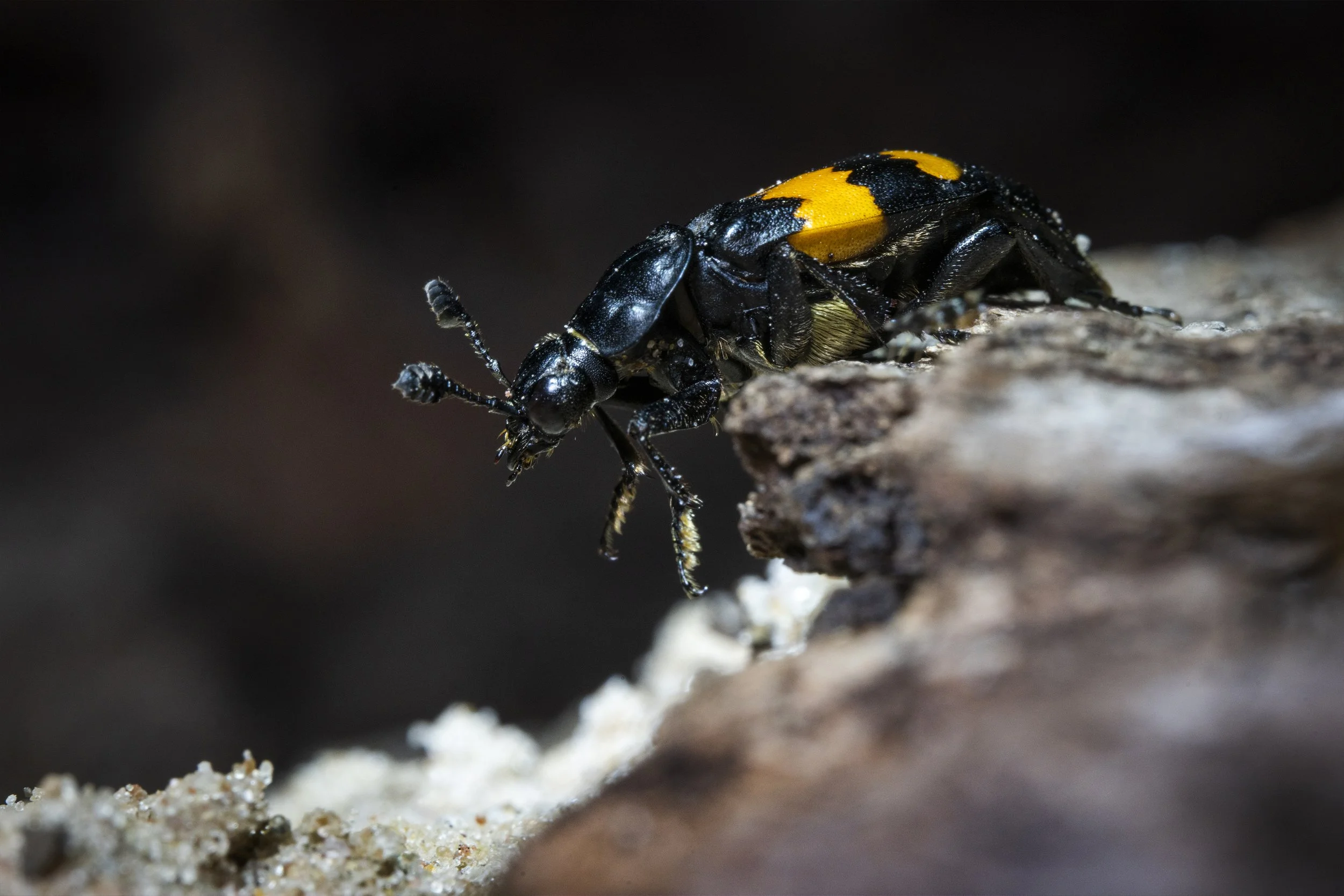
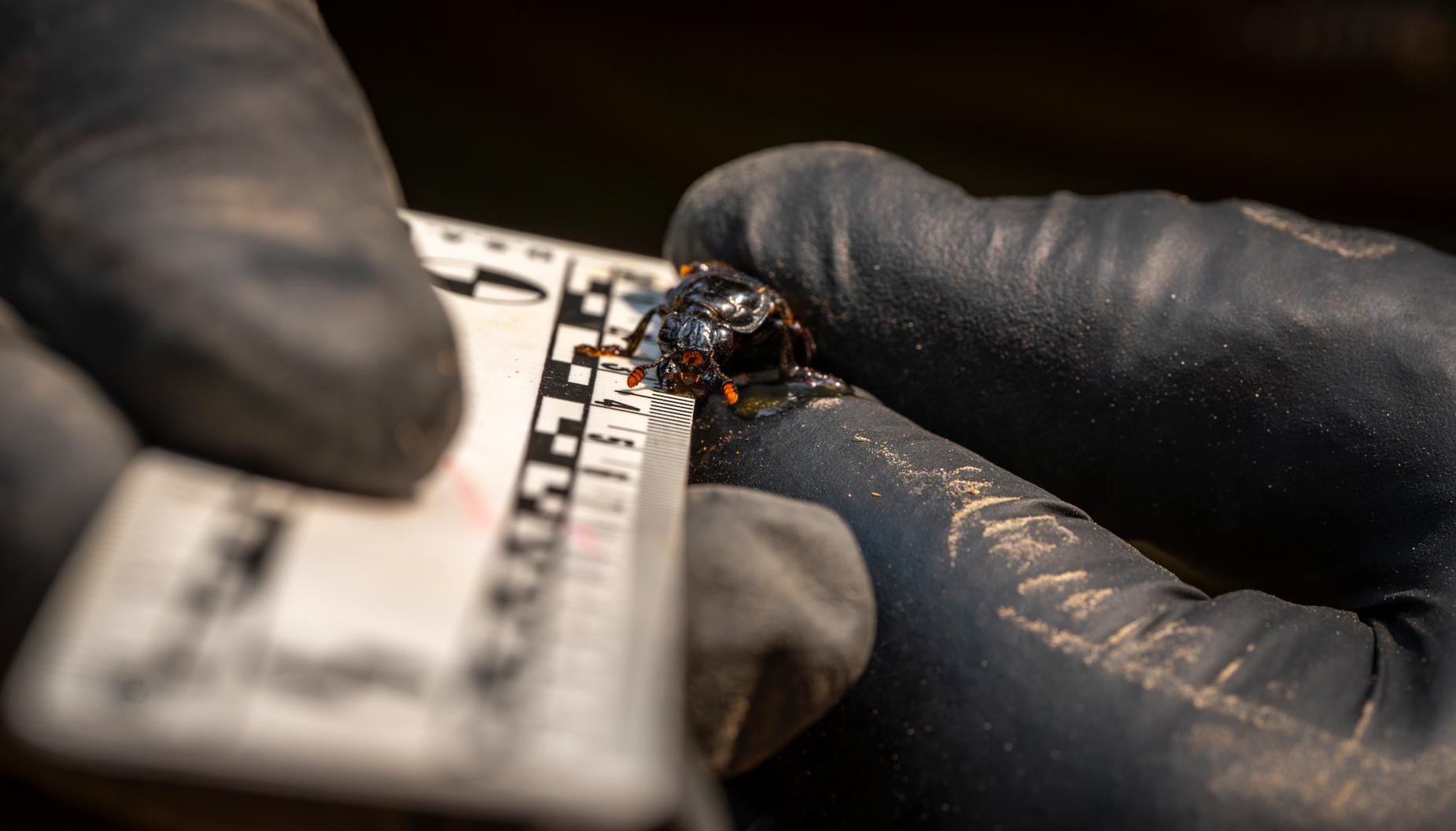
Carrion beetles are among the most important, but least recognized insects in Northern Michigan's ecosystems. By locating and consuming dead animals, these beetles rapidly recycle nutrients back into the soil, helping maintain healthy forests, grasslands, and wetlands. Their activities reduce the spread of disease, improve soil fertility, and support countless other organisms that depend on nutrient-rich ecosystems. Several species, particularly burying beetles in the genus Nicrophorus, provide remarkable parental care by burying small carcasses underground and raising their young on this carefully prepared food source—one of the most sophisticated forms of parental behavior found among insects. Because carrion beetles are closely tied to habitat quality and natural ecological processes, they also serve as valuable indicators of ecosystem health. Despite their ecological importance, carrion beetles remain one of the least studied insect groups in Michigan, leaving major gaps in our understanding of their distribution, diversity, and conservation needs. Documenting these species is essential not only for protecting individual beetle populations, but also for understanding the health and resilience of Northern Michigan's ecosystems.
Our Research
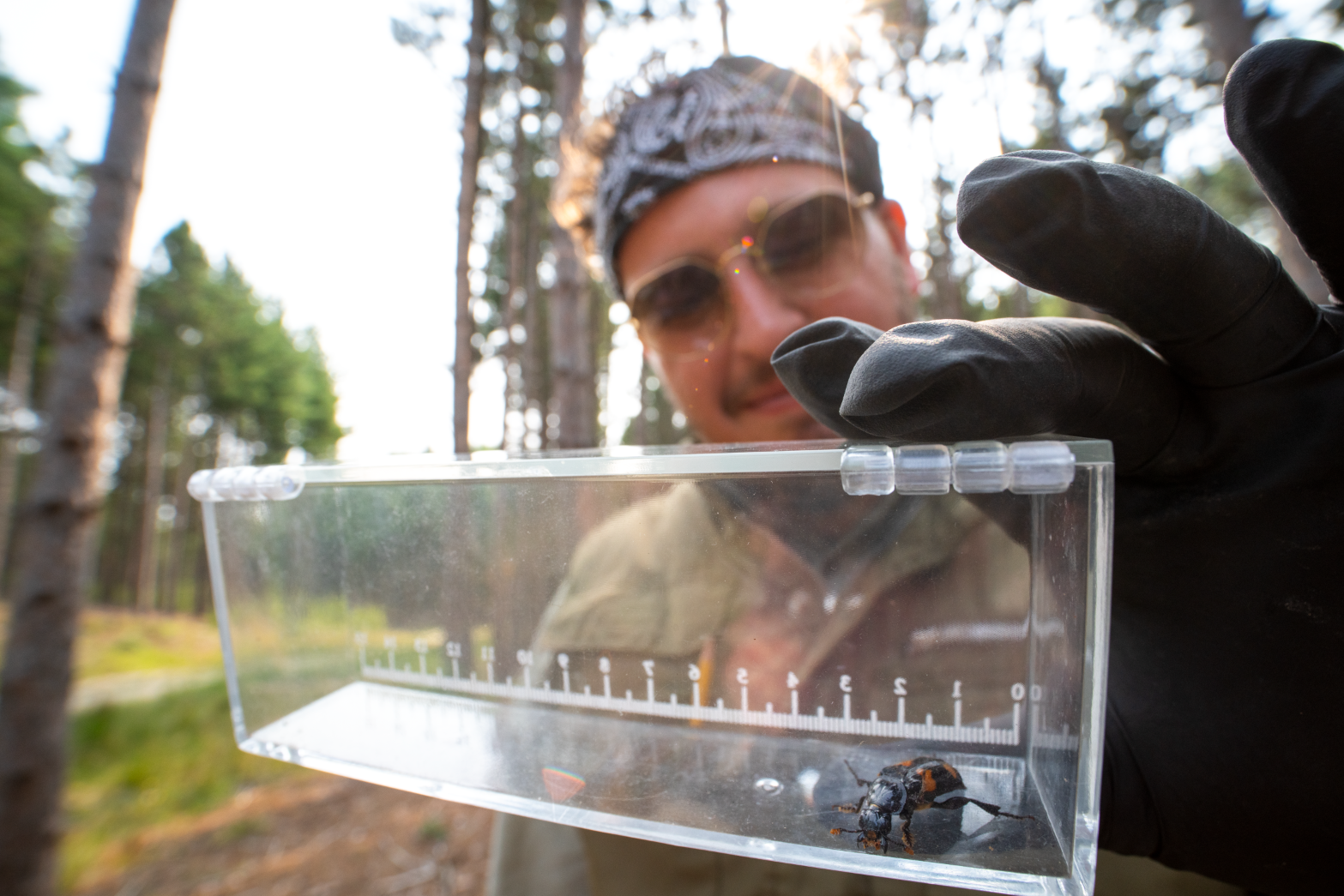
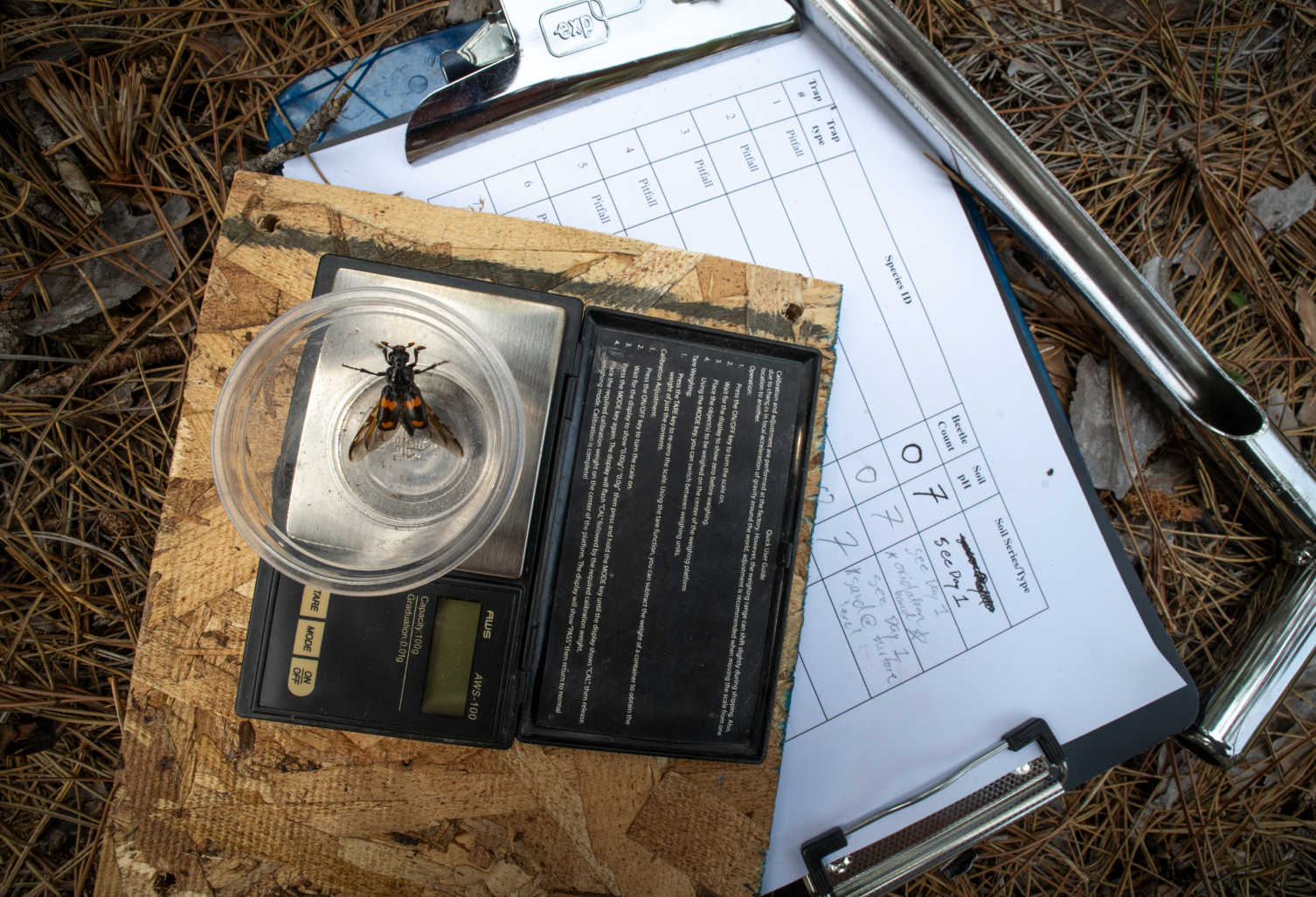
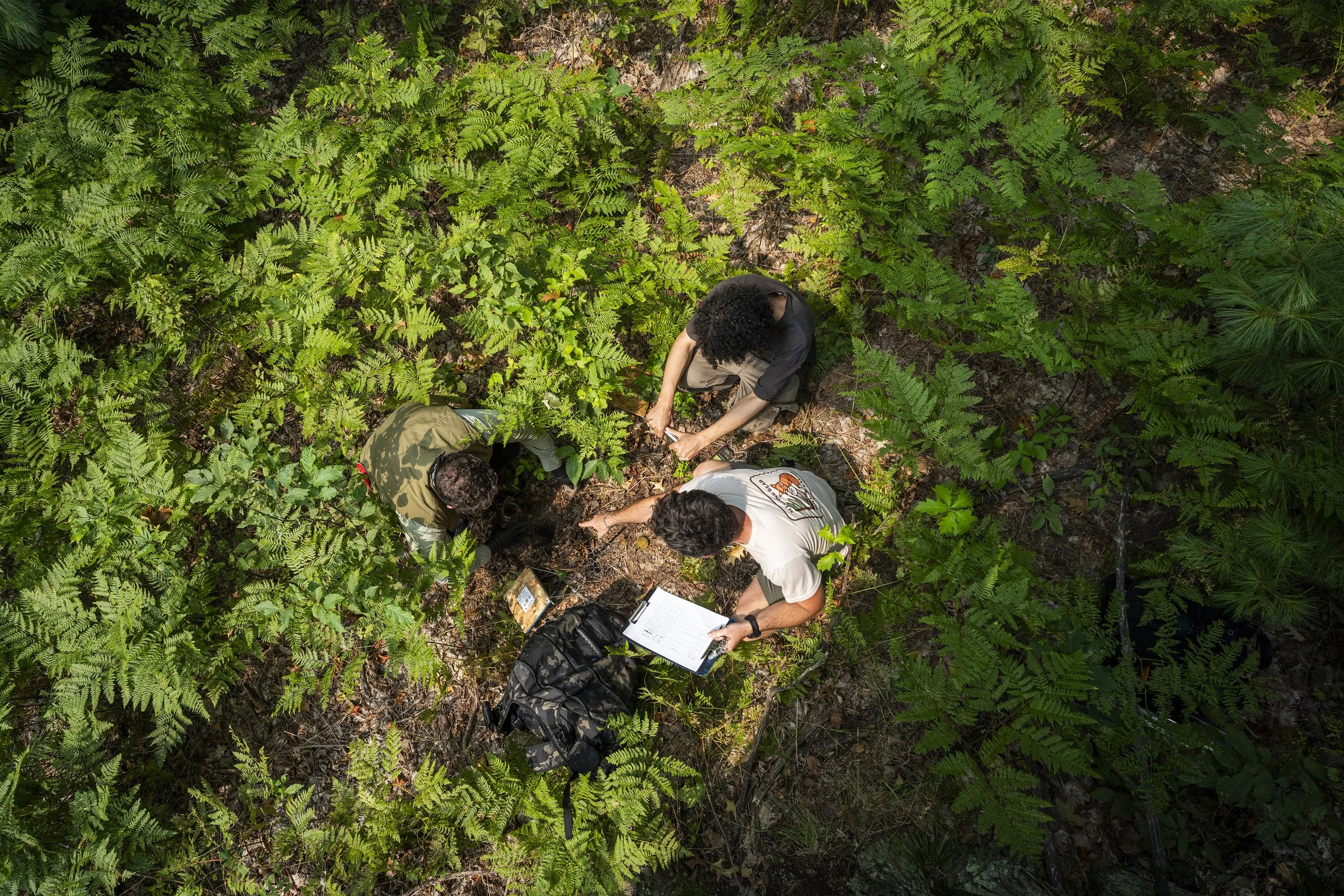
Sleeping Bear Wildlife Fund is conducting the first comprehensive baseline assessment of carrion beetle communities in Northern Michigan while specifically searching for the federally endangered American burying beetle (Nicrophorus americanus). Once widespread throughout Michigan, the American burying beetle has not been confirmed in the state for decades and is currently considered extirpated (locally extinct). However, the persistence of large tracts of intact forest, grassland, and shrubland habitat suggests that suitable habitat may still exist, warranting systematic surveys. Through standardized, non-lethal trapping methods, our research will document carrion beetle diversity, evaluate habitat suitability, and determine whether remnant populations of the American burying beetle may persist. Regardless of whether the species is detected, the project will provide the first regional baseline dataset on carrion beetle communities, identify priority conservation areas, and establish the scientific foundation needed to guide future monitoring, habitat management, and, if appropriate, recovery and potential reintroduction efforts for one of North America's most endangered insects.
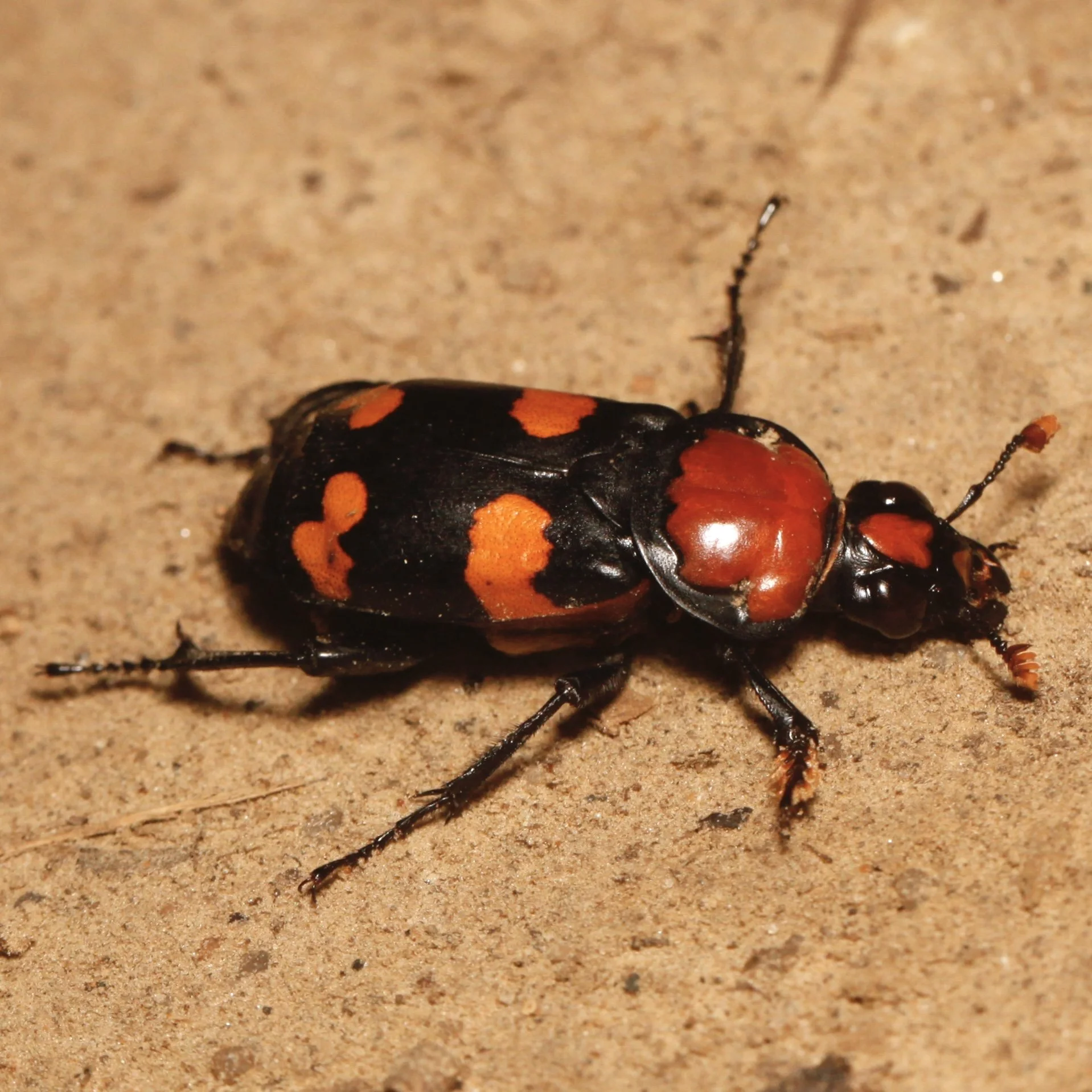
Female American burying beetle in Rhode Island. Photo by Blocky1000
This work is done in partnership with: