Nesting Box Care Guide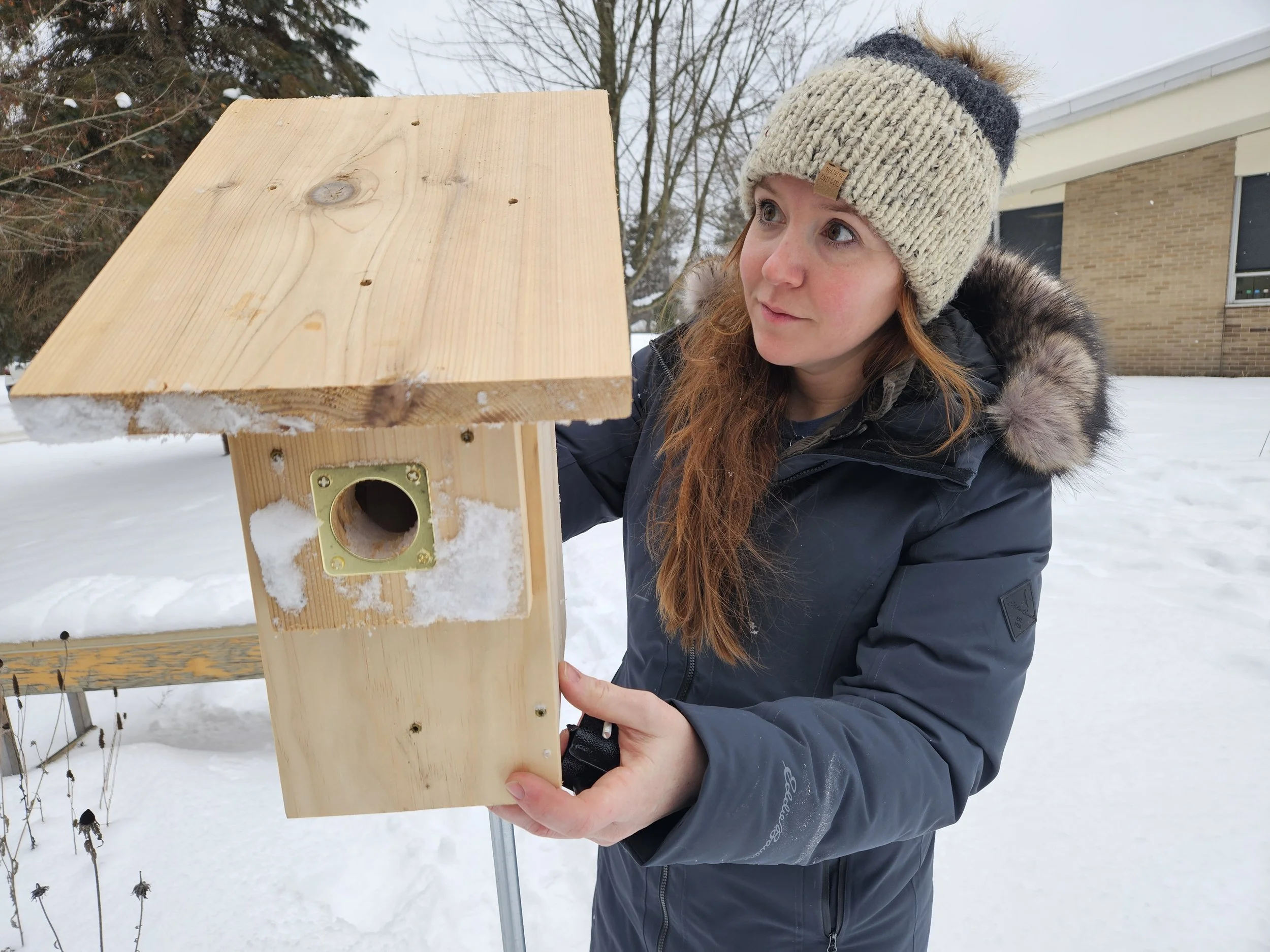
Caring for Your Songbird Nesting Box
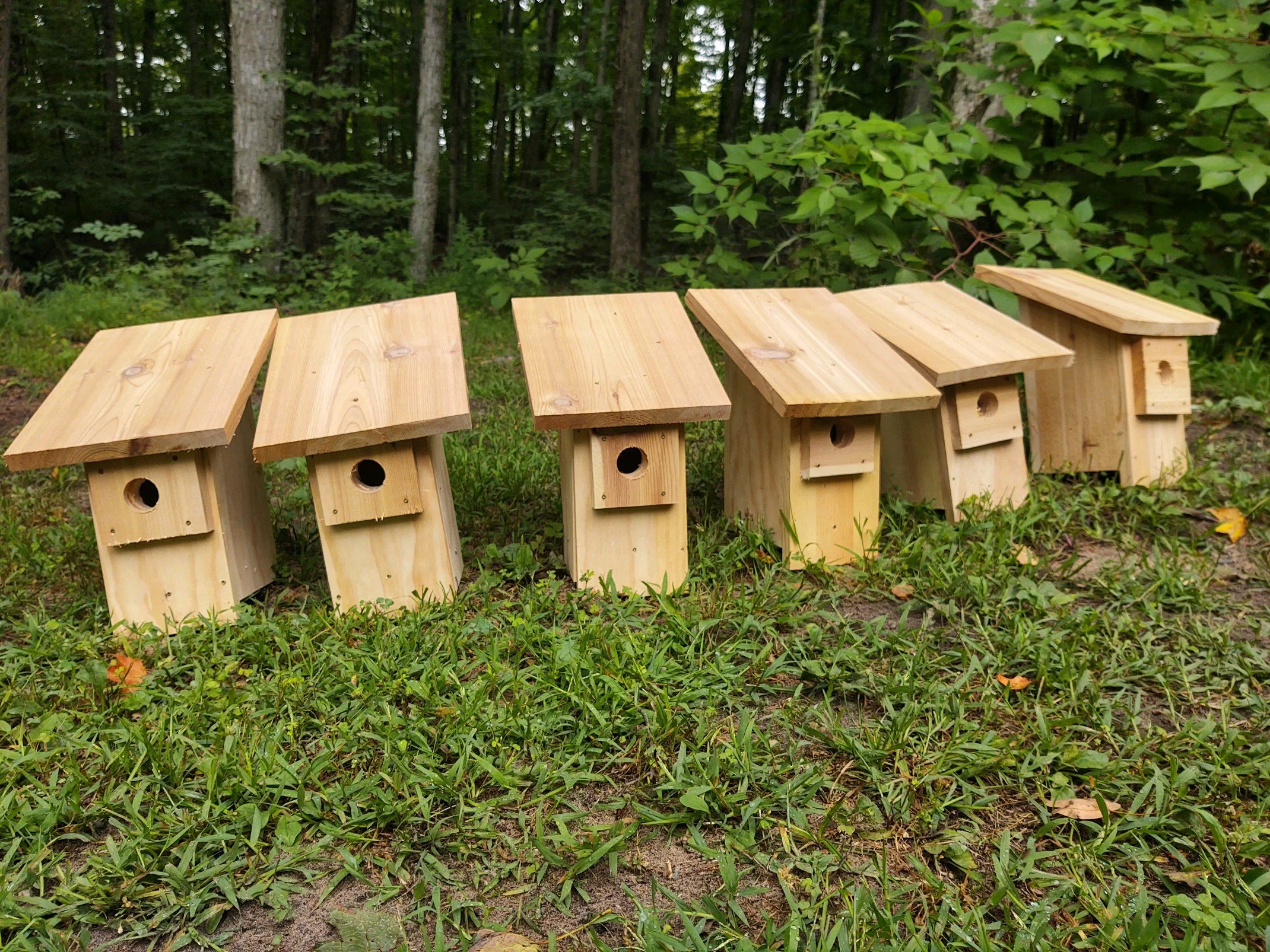
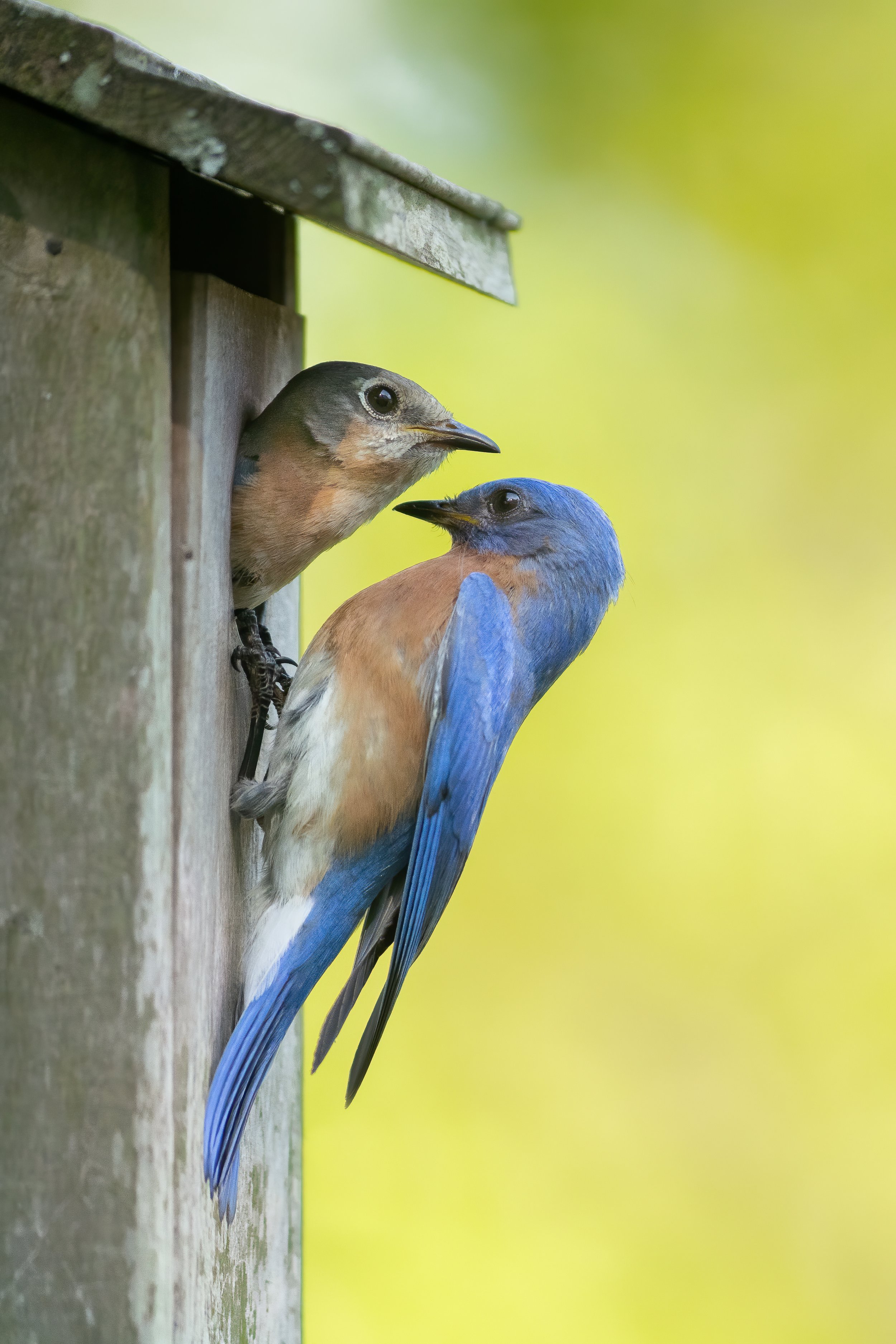
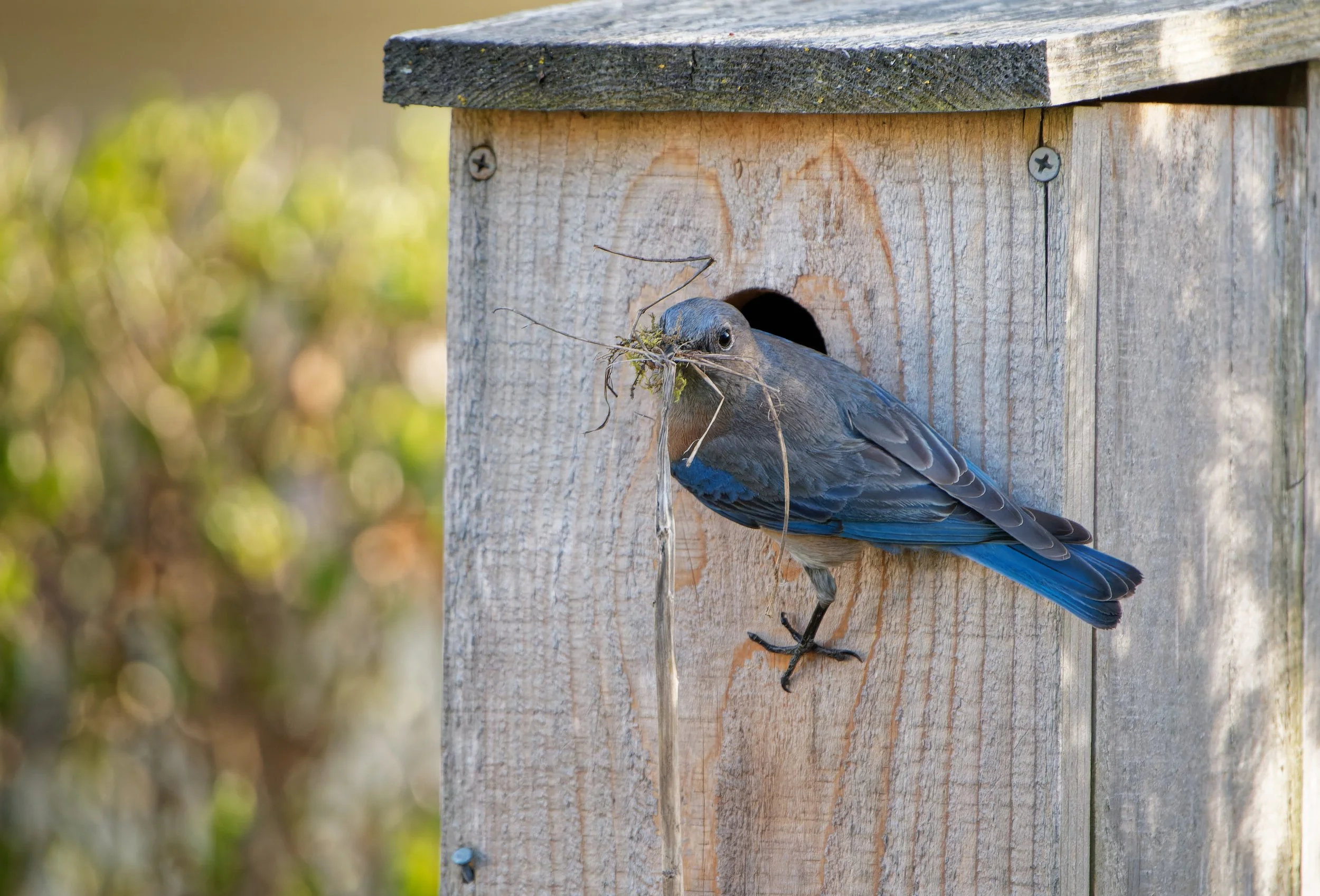
Providing safe nesting habitat is one small but meaningful way to support the wildlife of Northern Michigan. Nest boxes can help native birds find secure places to raise their young while also creating opportunities to connect more closely with the natural world around us.
What Birds Will Use the Box?
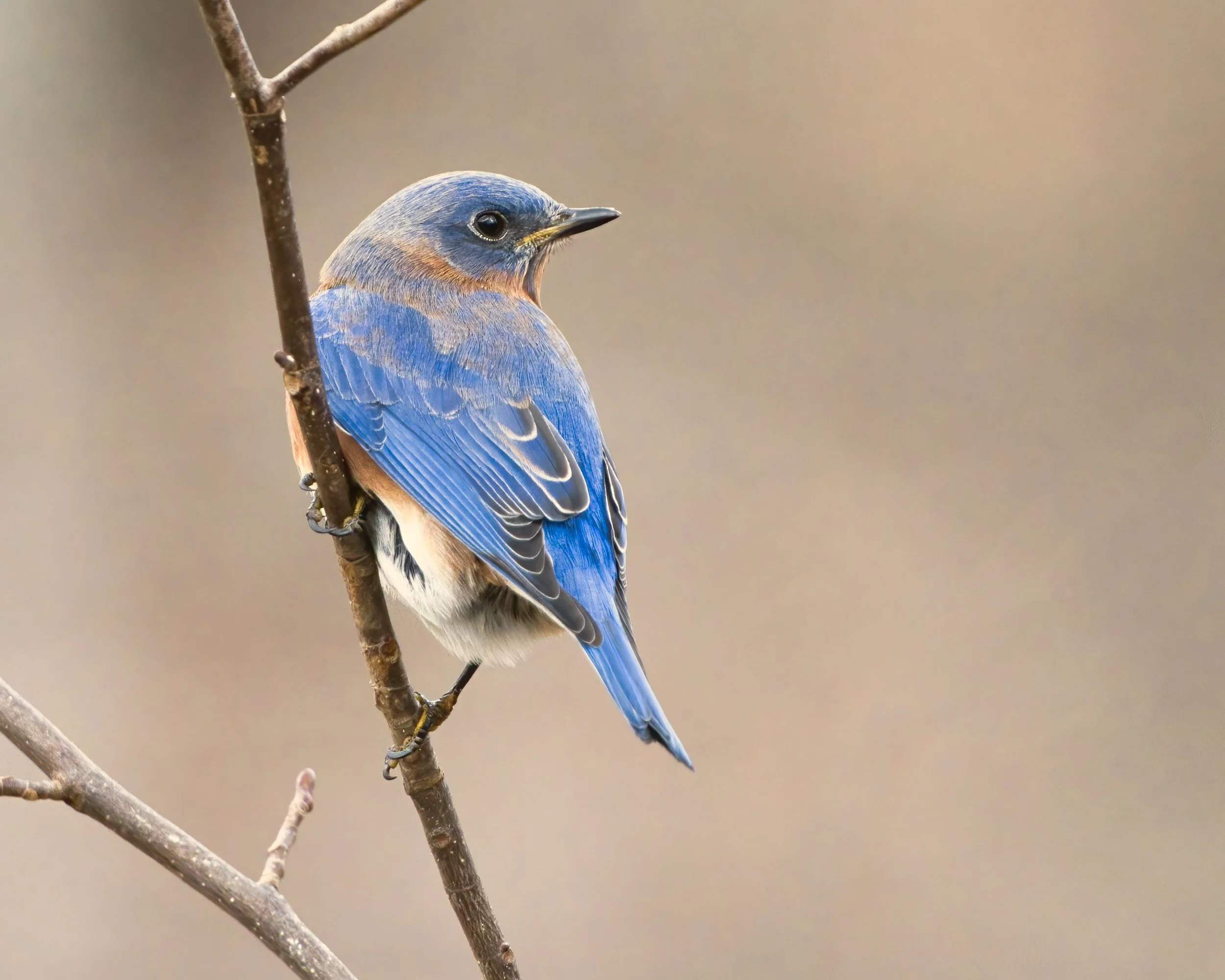
A nesting box with a 1.5” entrance hole is commonly used by several native cavity-nesting birds found throughout Northern Michigan, including:
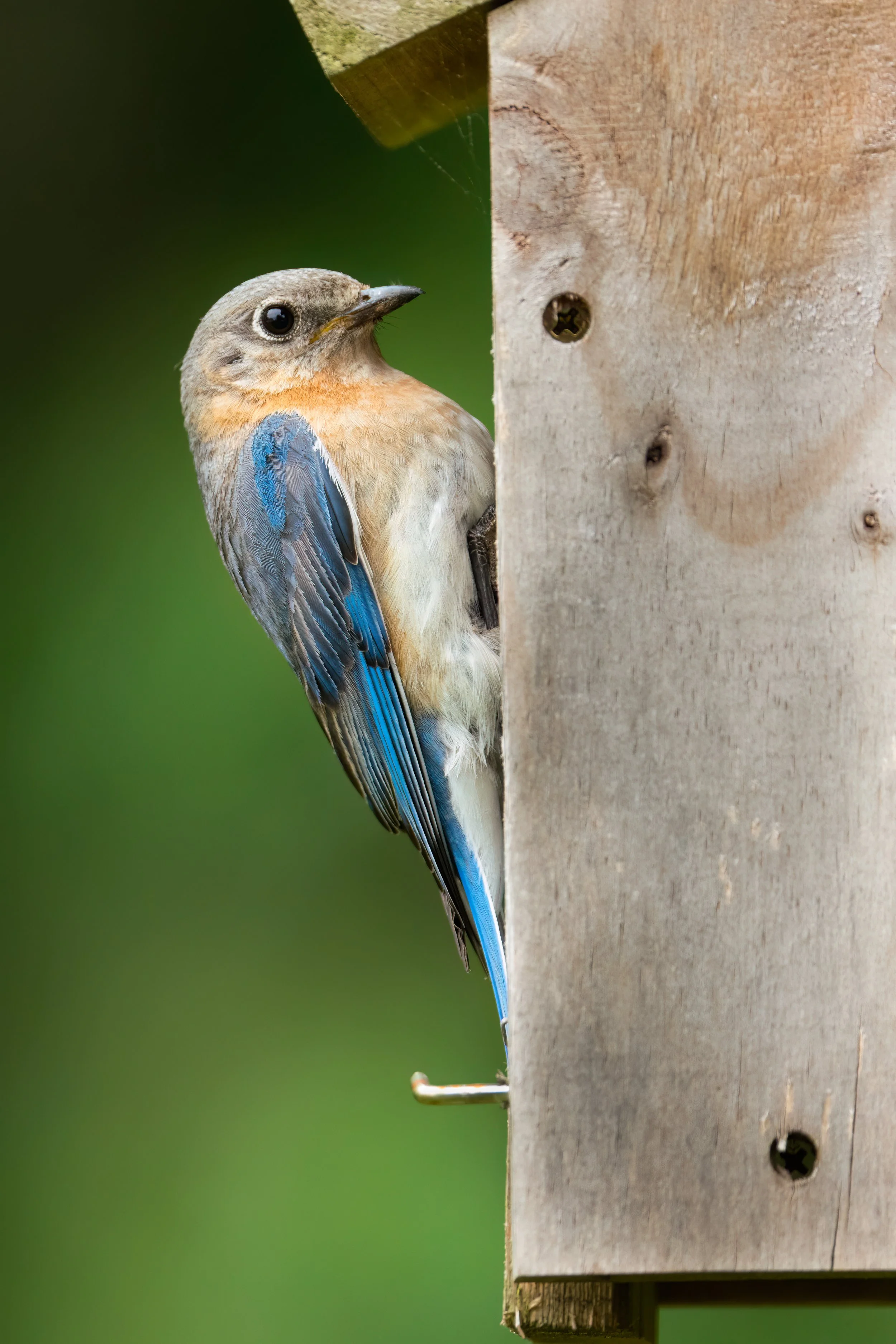
Eastern Bluebird
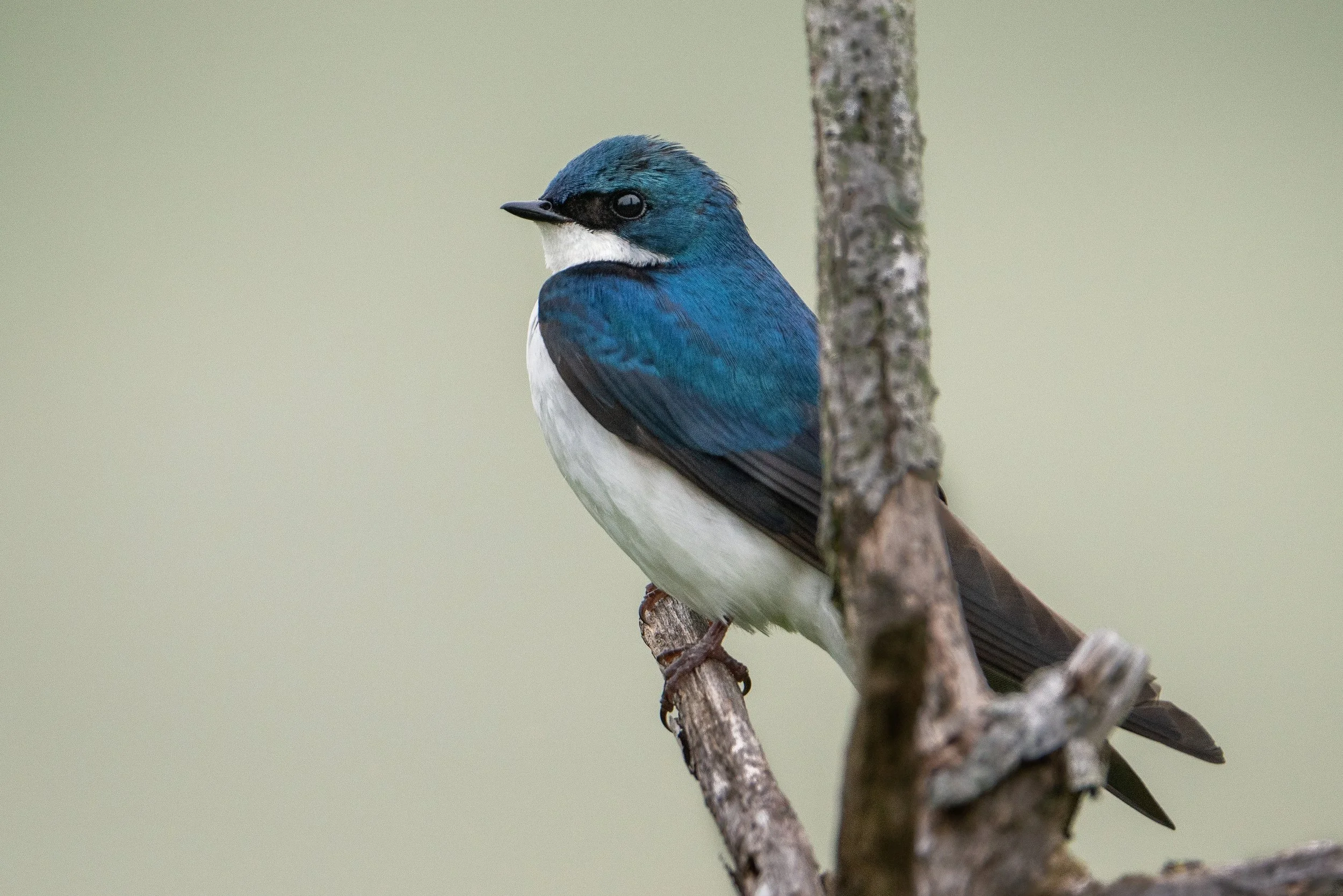
Tree Swallow
Black-capped Chickadee
House Wren
White-breasted Nuthatch
Red-breasted Nuthatch
The 1.5” entrance size is large enough for bluebirds and swallows while helping discourage larger invasive species such as the European Starling.
Choosing a Good Location
Where a nest box is placed can greatly influence whether birds decide to use it and how successful they are at raising young.
Placement Recommendations
Mount the box on a smooth metal pole whenever possible.
Position the box 4–6 feet above the ground.
Face the entrance east or southeast to help reduce exposure to strong winds and harsh afternoon sun.
Place boxes near meadows, orchards, grasslands, or woodland edges.
Avoid heavily trafficked areas and dense shrubbery.
Why Pole Mounting Matters
Pole-mounted boxes are generally safer for nesting birds. Mounting boxes on trees can make it easier for predators to access the nest and may increase competition from invasive species. Smooth poles paired with predator guards help create a more secure nesting environment for native birds.
Predator Protection
Predation is a natural part of healthy ecosystems, but simple safeguards can help reduce unnecessary nest losses caused by human-altered environments.
Recommended Predator Guards
Cone baffles
Stovepipe baffles
Noel guards (wire tunnel guards)
Metal entrance hole protectors
These additions can help discourage:
Raccoons, Cats, and Squirrels
Woodpeckers enlarging the entrance hole
Securing the Nest Door
A secure clean-out door helps protect nesting birds from predators, strong winds, and accidental openings while still allowing easy seasonal cleaning.
Common Ways to Secure the Door
Exterior Screws
A simple wood screw can hold the door tightly closed. This is one of the most predator-resistant options and works well for long-term durability.Hook-and-Eye Latch
Easy to open for cleaning while keeping the panel secure during nesting season.
Rotating Wooden Turn Button
A small swivel tab made from wood can rotate over the edge of the door to keep it shut. This is simple, inexpensive, and commonly used on bluebird boxes.
A Simple but Important Detail
Avoid adding a perch to the front of the box. Native cavity-nesting birds do not need perches, and they can make it easier for predators or invasive species to access the nest.
Cleaning Your Nest Box
Routine cleaning helps reduce parasites and disease while preparing the box for future nesting attempts.
During Nesting Season
Once young birds have fledged and the box is inactive:
Open the clean-out panel.
Remove and discard old nesting material.
Briefly check for mites, moisture, or debris.
Close the box once clean and dry.
Removing old nests between broods can help create a healthier environment for the next nesting pair.
End-of-Season Cleaning
In late summer or fall:
Remove all nesting material.
Scrub lightly with warm soapy water if needed.
Allow the box to fully dry before closing or storing.
Safety Reminder
Wear gloves and a dust mask when cleaning. Be sure to wash hands thoroughly.
Limit disturbance during active nesting.
Observe nesting birds respectfully and from a distance whenever possible.
Native Plants Matter
Healthy bird populations depend on healthy habitats. Planting native vegetation near nest boxes provides food, shelter, and critical insect habitat for growing chicks.
Baby songbirds rely heavily on insects during nesting season, and native plants support the insects that local wildlife evolved alongside. Even small native plantings can help strengthen local ecosystems.
Native Plants for Northern Michigan Songbirds
Trees & Shrubs
Serviceberry
Dogwood
Elderberry
Viburnum
Highbush Cranberry
Wild Cherry
Flowers & Grasses
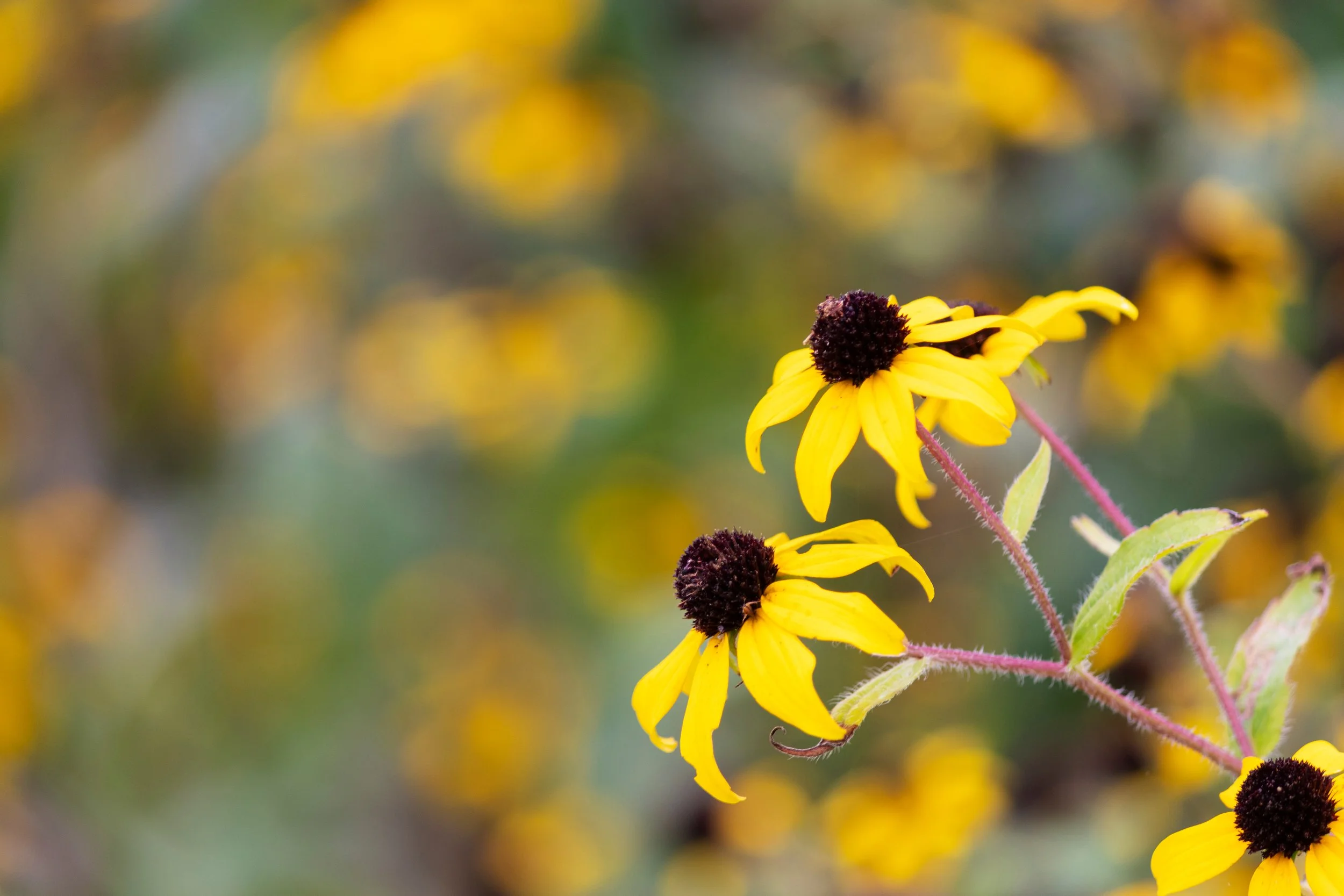
Black-eyed Susan
Purple Coneflower
Wild Bergamot
Goldenrod
Little Bluestem
Switchgrass
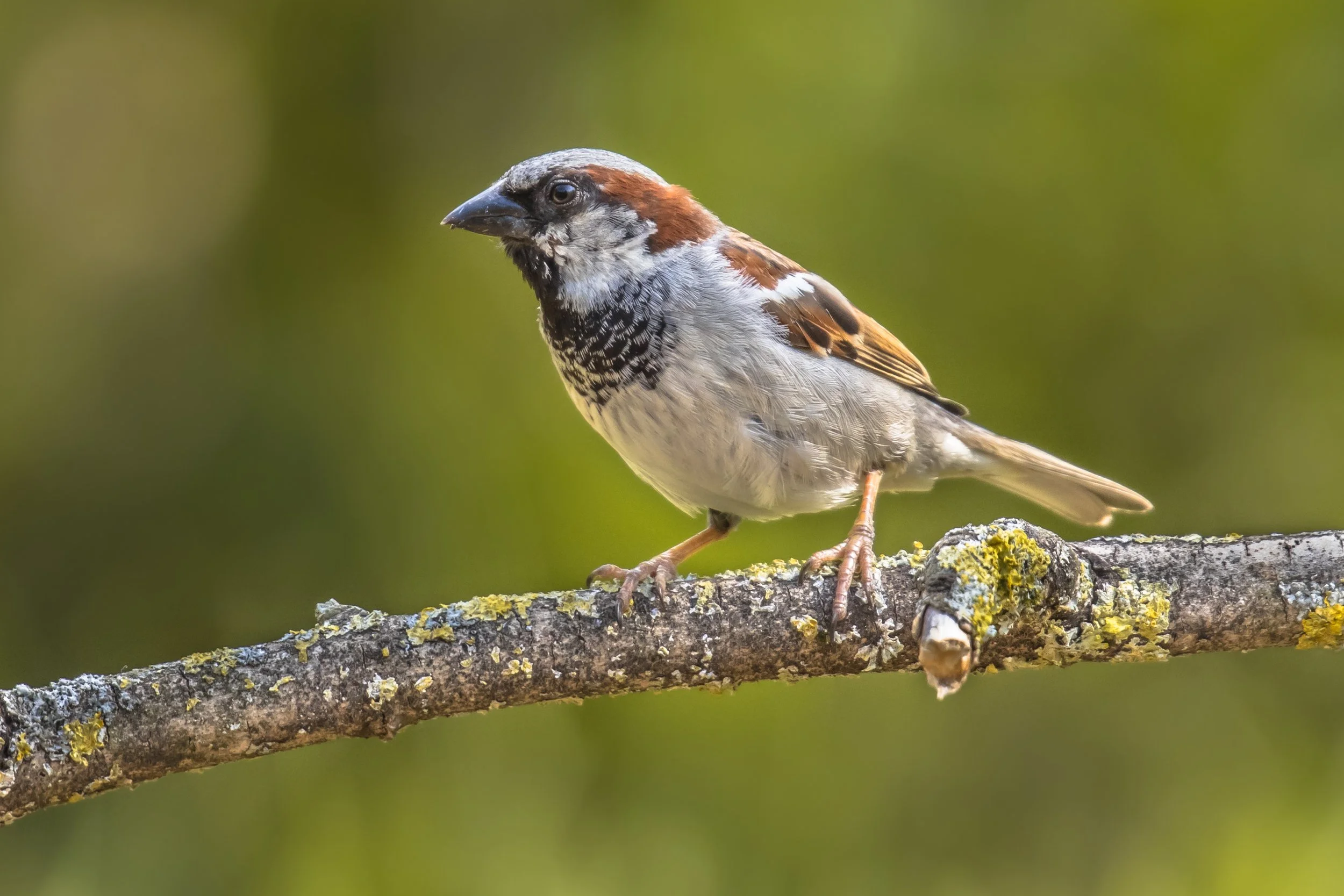
House Sparrow (Europe)
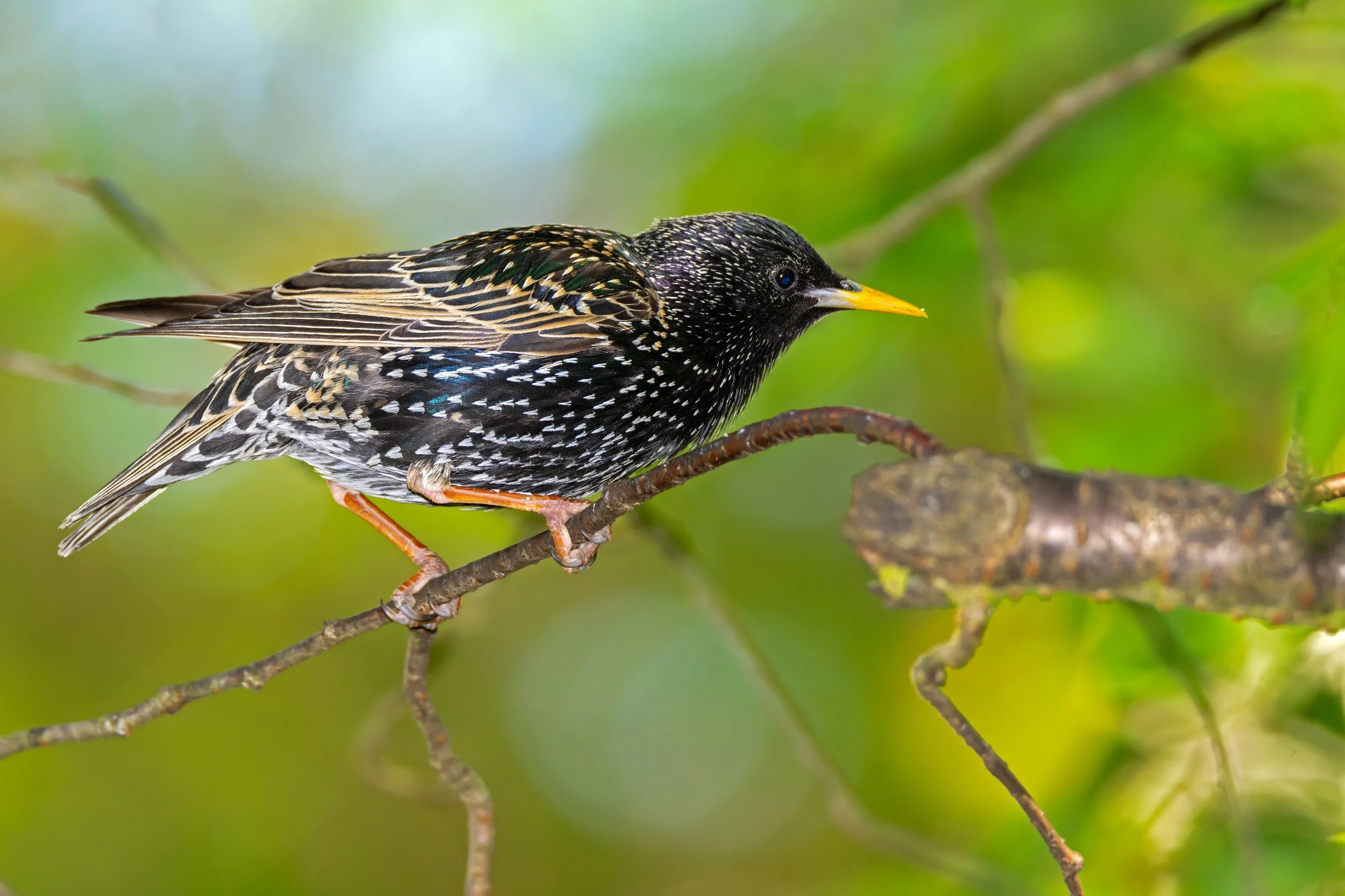
Common Starling (Europe)
Invasive Birds to Watch For
Two non-native species commonly compete with native birds for nesting space:
House Sparrow
European Starling
These species were introduced to North America and can aggressively displace native birds from nesting cavities. In some cases, they may destroy eggs, kill nestlings, or take over active nests. Because many native birds already face habitat pressures, managing invasive species is an important part of supporting long-term bird conservation.
If Invasive Birds Use the Box
If you observe House Sparrows or European Starlings attempting to claim the box:
Remove nesting material before eggs are laid.
Continue monitoring the box regularly.
Relocate boxes farther from buildings or feeders if needed.
Consider using entrance restrictor plates or sparrow-resistant guards.
Correct identification is important before removing nests. Native birds are federally protected.
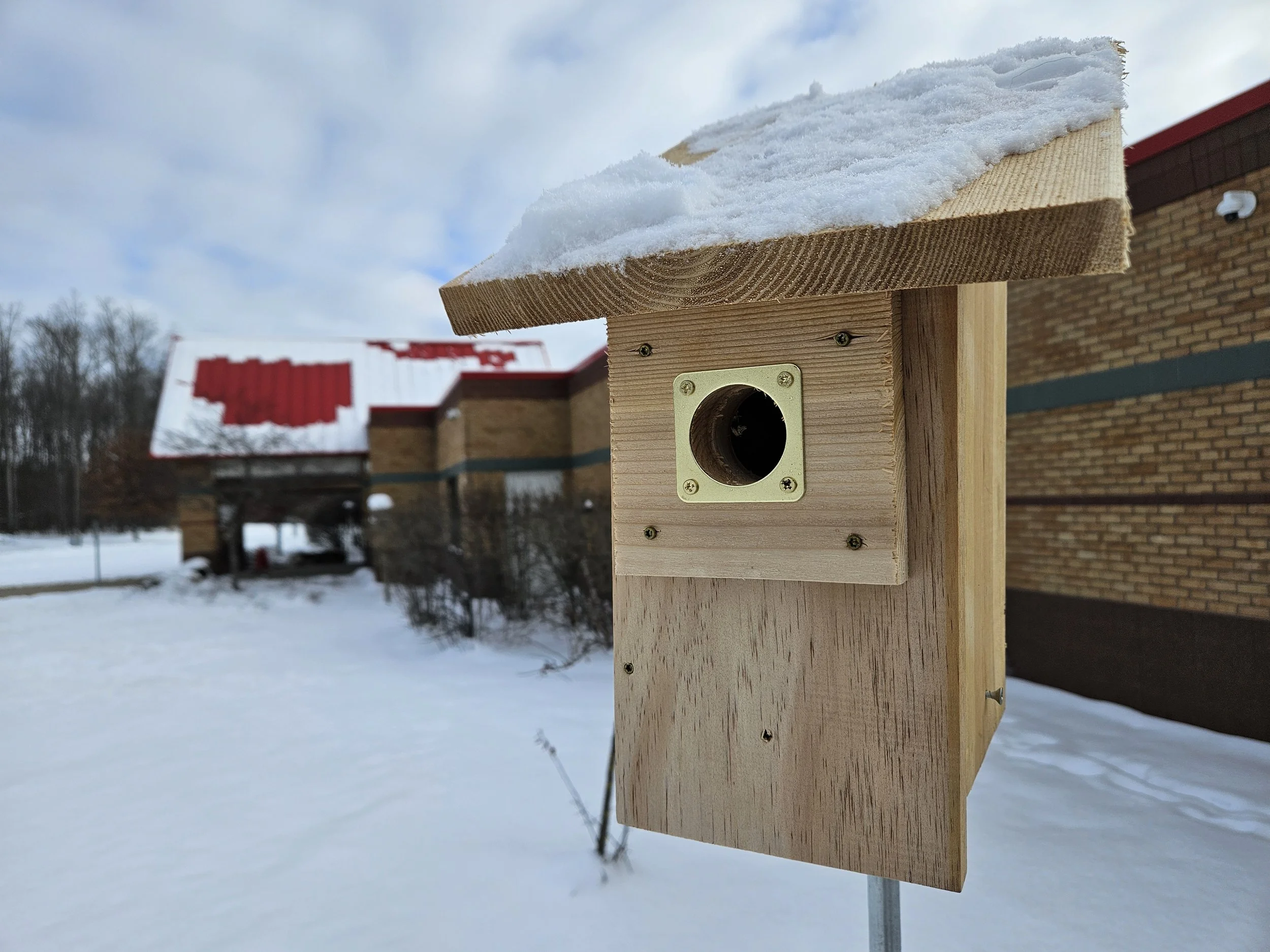
Helpful Features to Look For
A well-designed nest box can improve safety, durability, and nesting success.
Recommended Features
Untreated cedar or pine
Proper ventilation and drainage
Easy-open clean-out panels
No perch
Predator-resistant construction
Helpful Add-Ons
Pole mounting kits
Stovepipe baffles
Cone predator guards
Metal entrance hole protectors
Entrance restrictor plates
A Few Final Tips
Observe nest boxes from a respectful distance.
Avoid opening boxes too frequently during nesting season.
Keep cats indoors whenever possible.
Be patient — it can take time for birds to discover a new nesting box.
Every healthy nest contributes to the larger ecosystem. By providing safe habitat and practicing thoughtful stewardship, we can help support native songbirds and the wild places they depend on throughout Northern Michigan.