Bumble Bee Research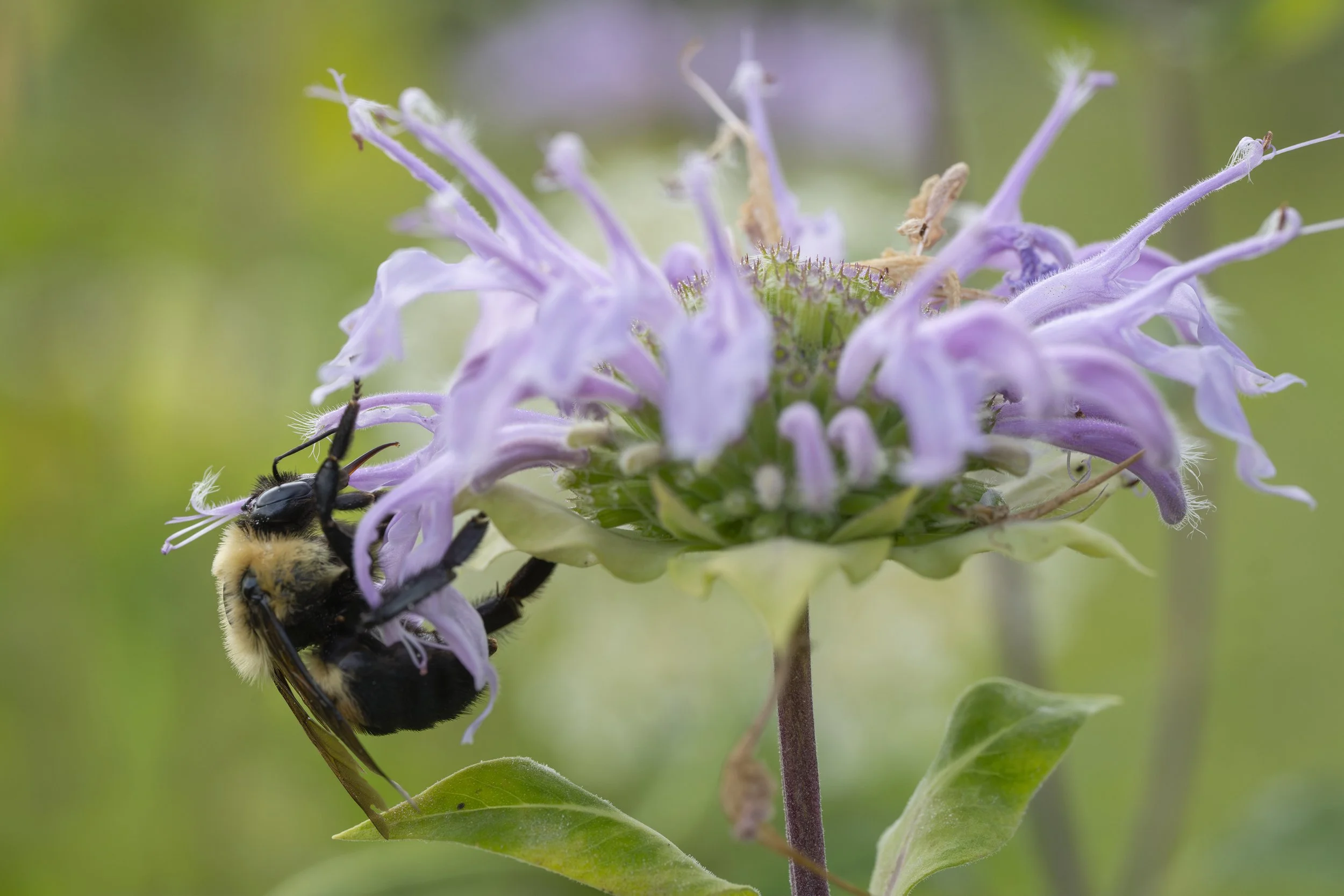
Protecting Northern Michigan's Native Bumble Bees
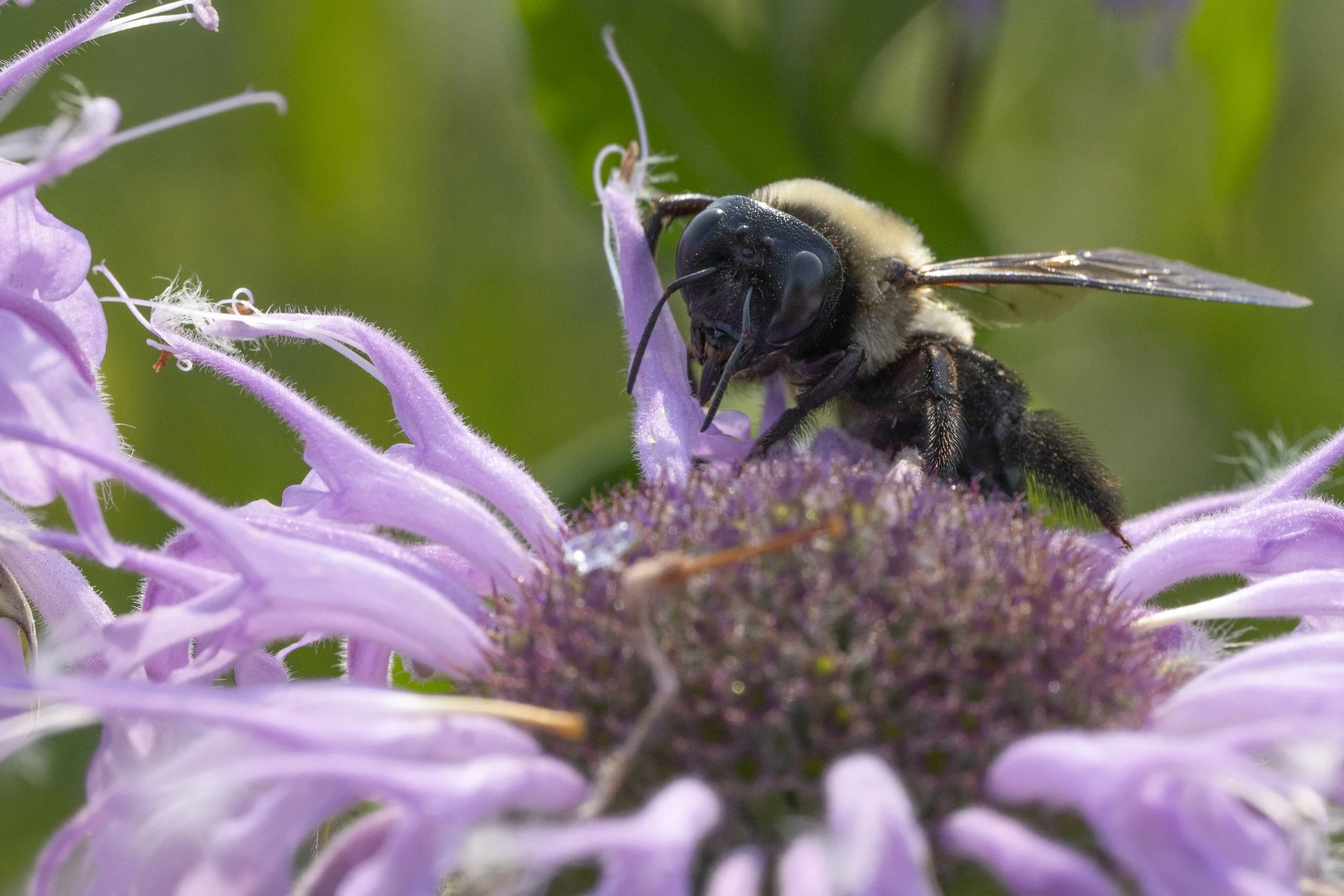
Bumble bees are among Northern Michigan's most important native pollinators, supporting the reproduction of wildflowers, native plants, and agricultural crops while helping sustain healthy and diverse ecosystems. Unlike managed honey bees, bumble bees are native wildlife, with different species adapted to the region's forests, meadows, wetlands, dunes, and other natural communities. However, several species have experienced significant declines, and some are now considered threatened or endangered. Habitat loss and fragmentation, declining native floral resources, pesticide exposure, disease and pathogens, invasive species, and a changing climate can all affect bumble bee populations and their ability to successfully nest and reproduce. Protecting diverse native plant communities, reducing pesticide use, preserving nesting and overwintering habitat, and monitoring populations are critical to their long-term conservation. By protecting bumble bees, we are also protecting the plants, wildlife, and ecosystems that depend on the pollination services these remarkable insects provide.
Our Research
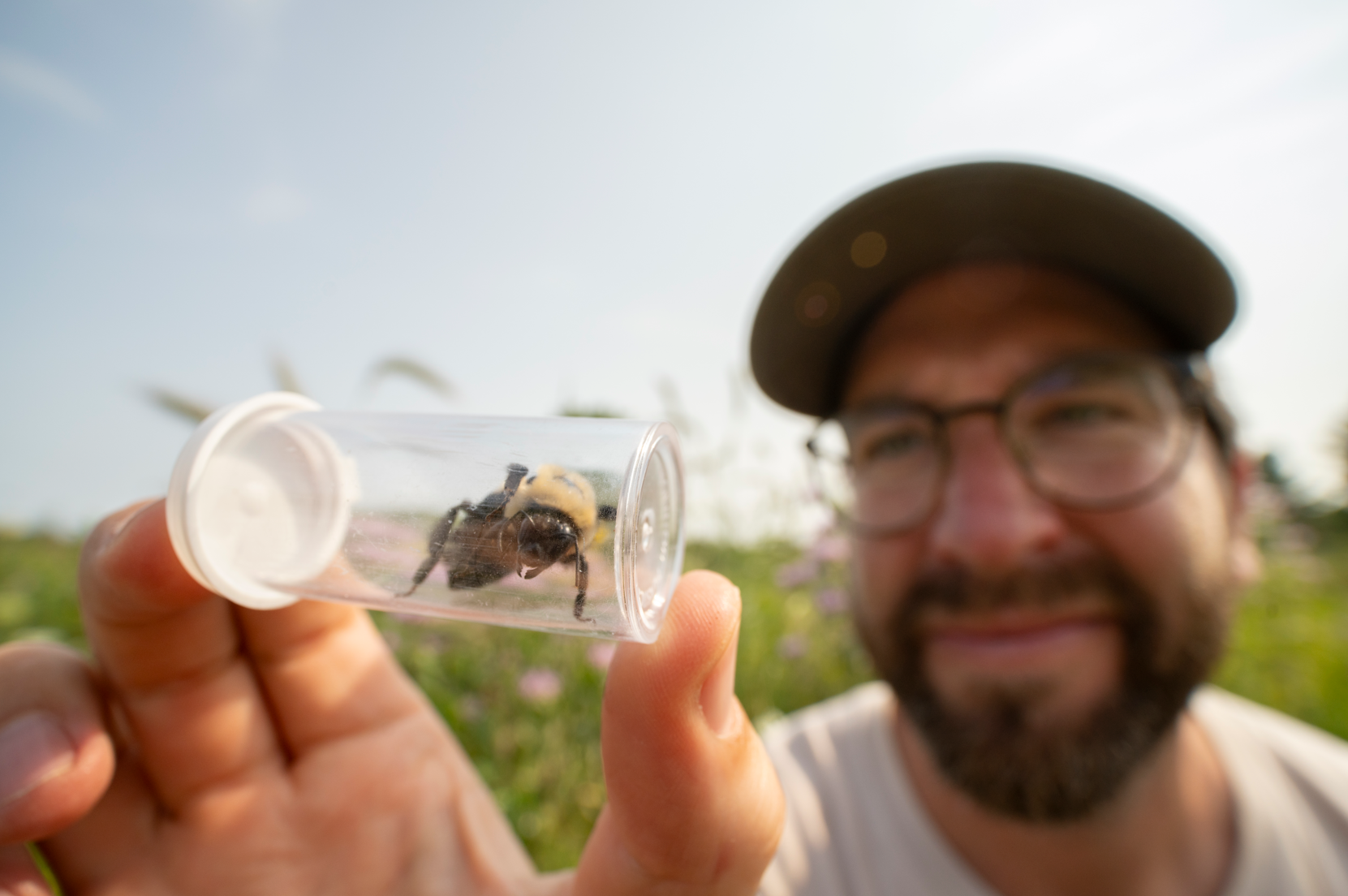
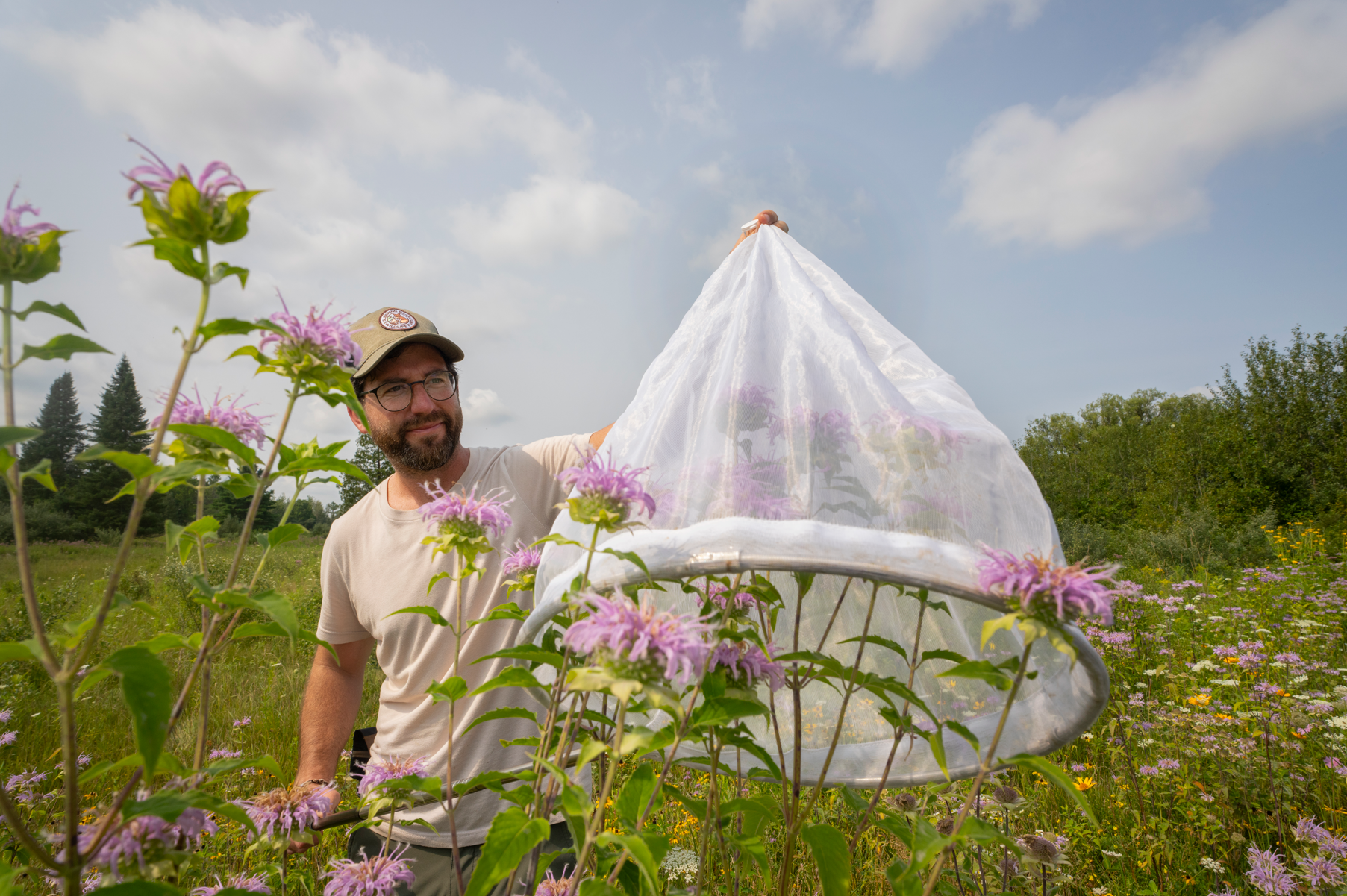
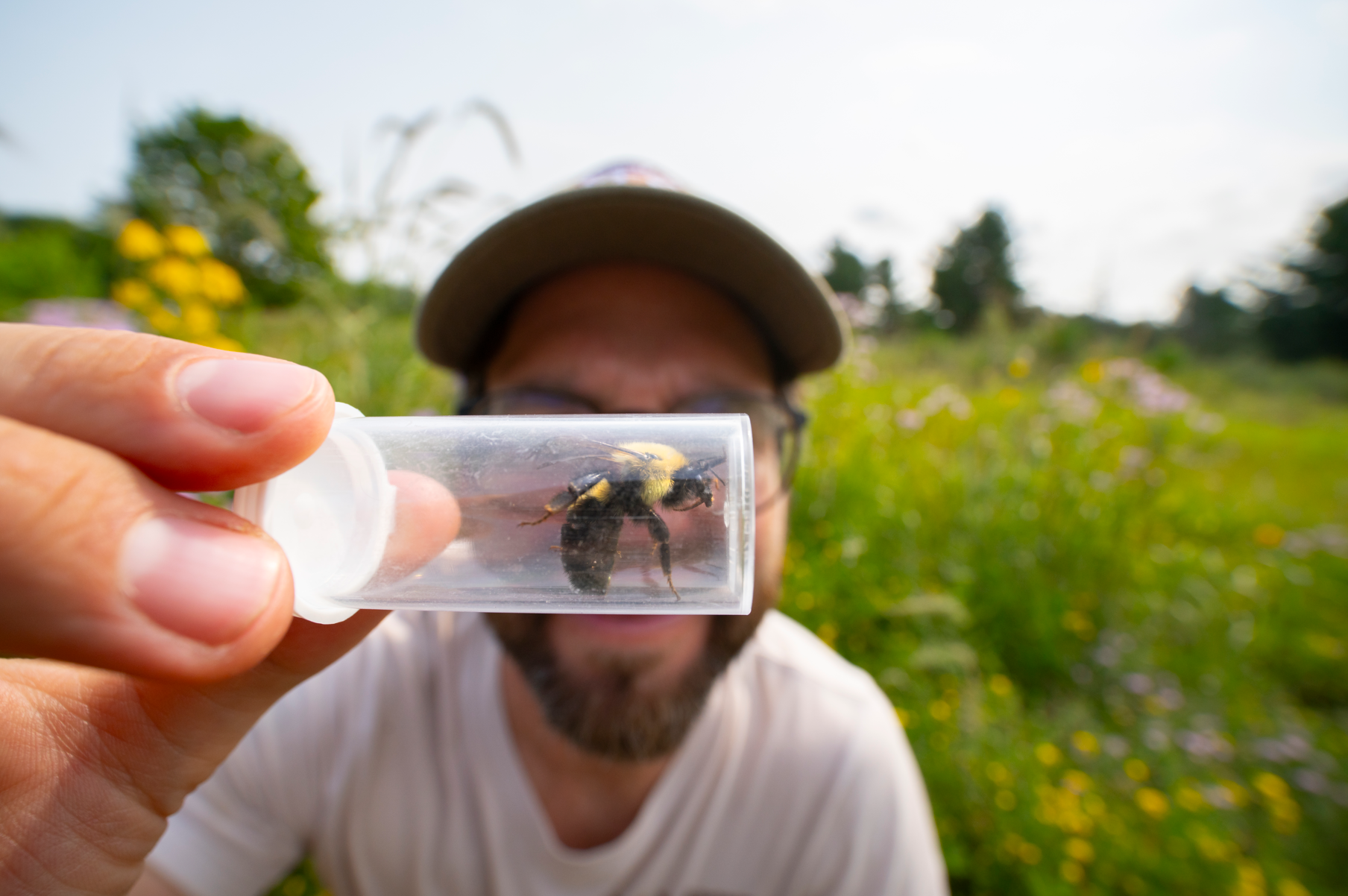
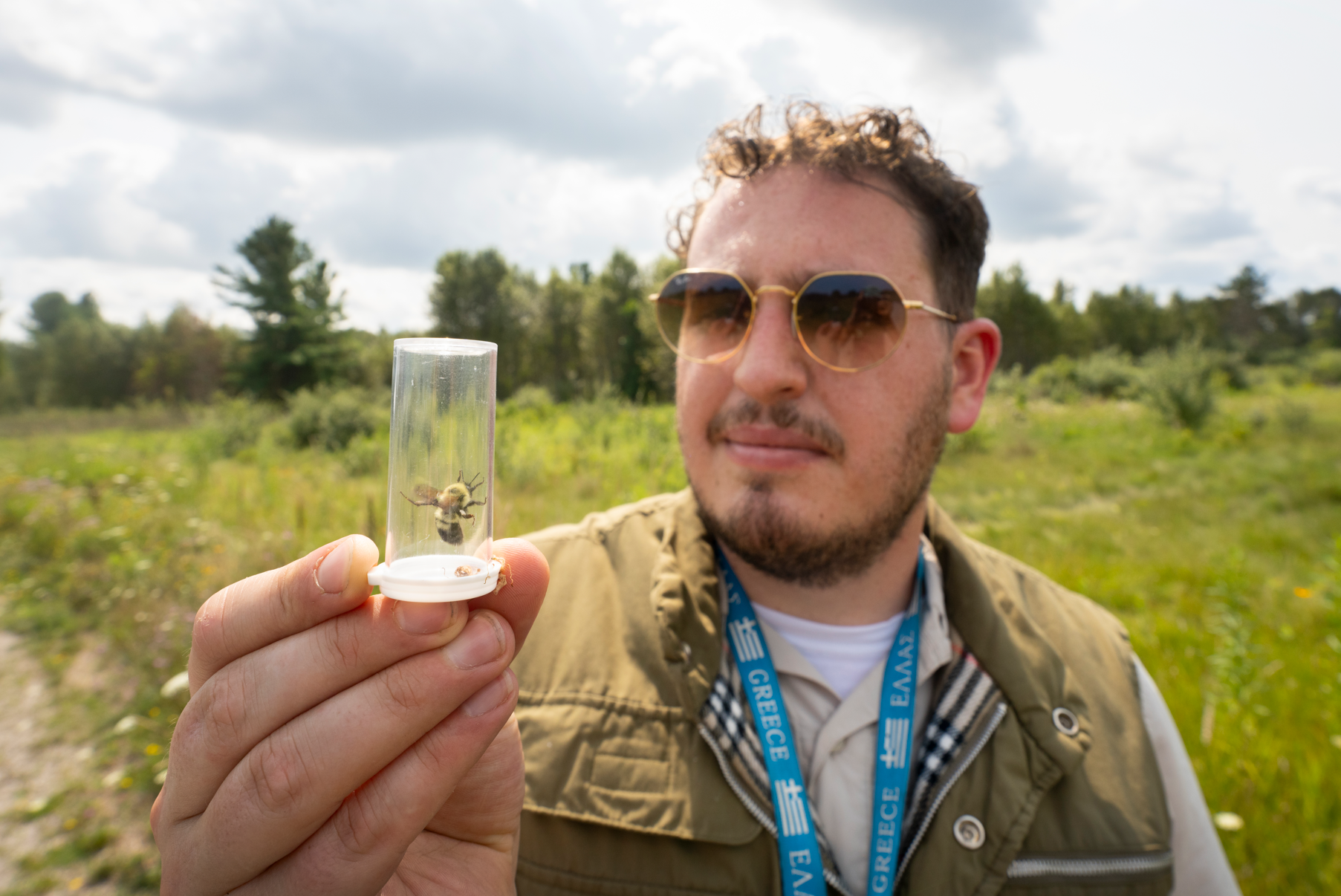
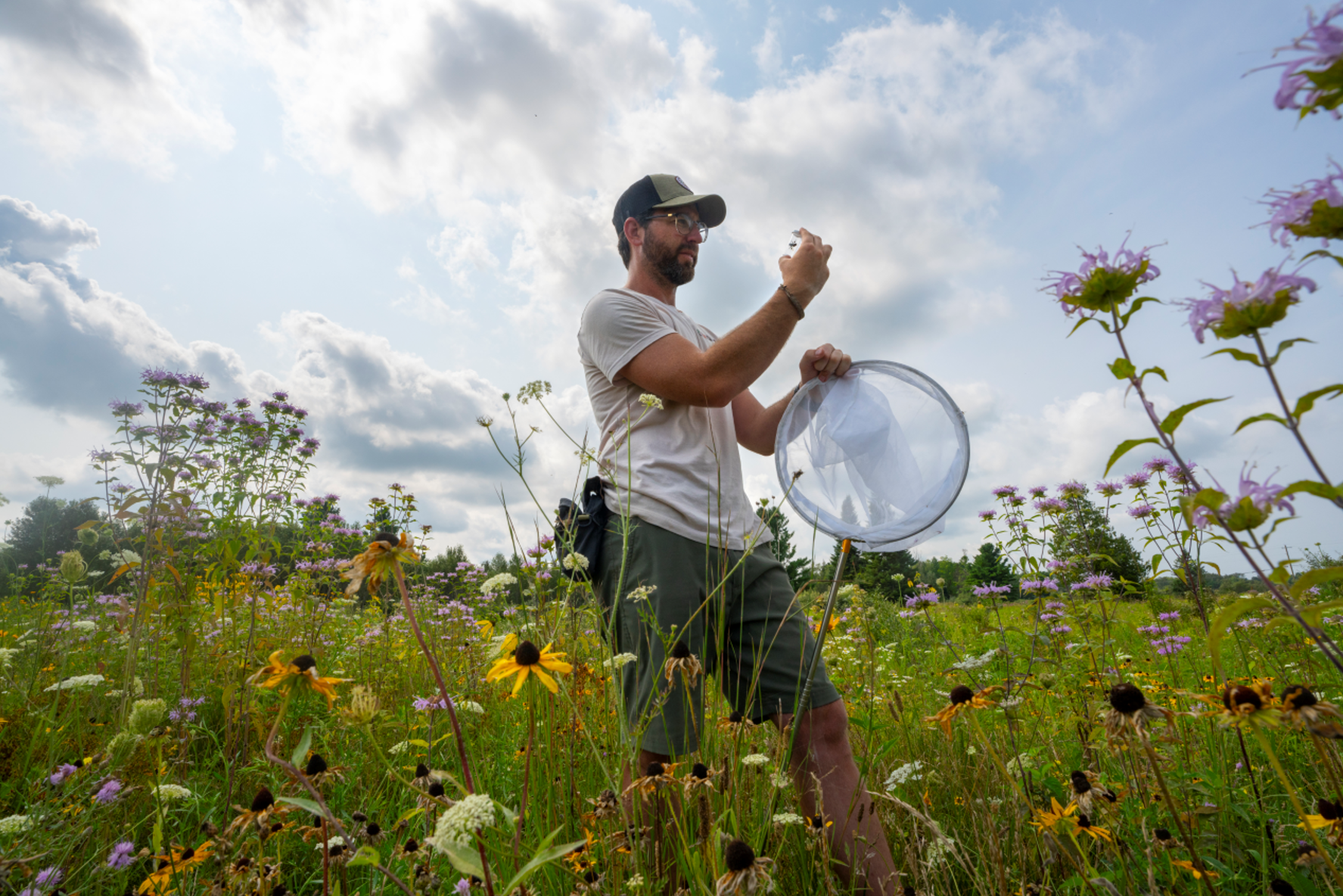
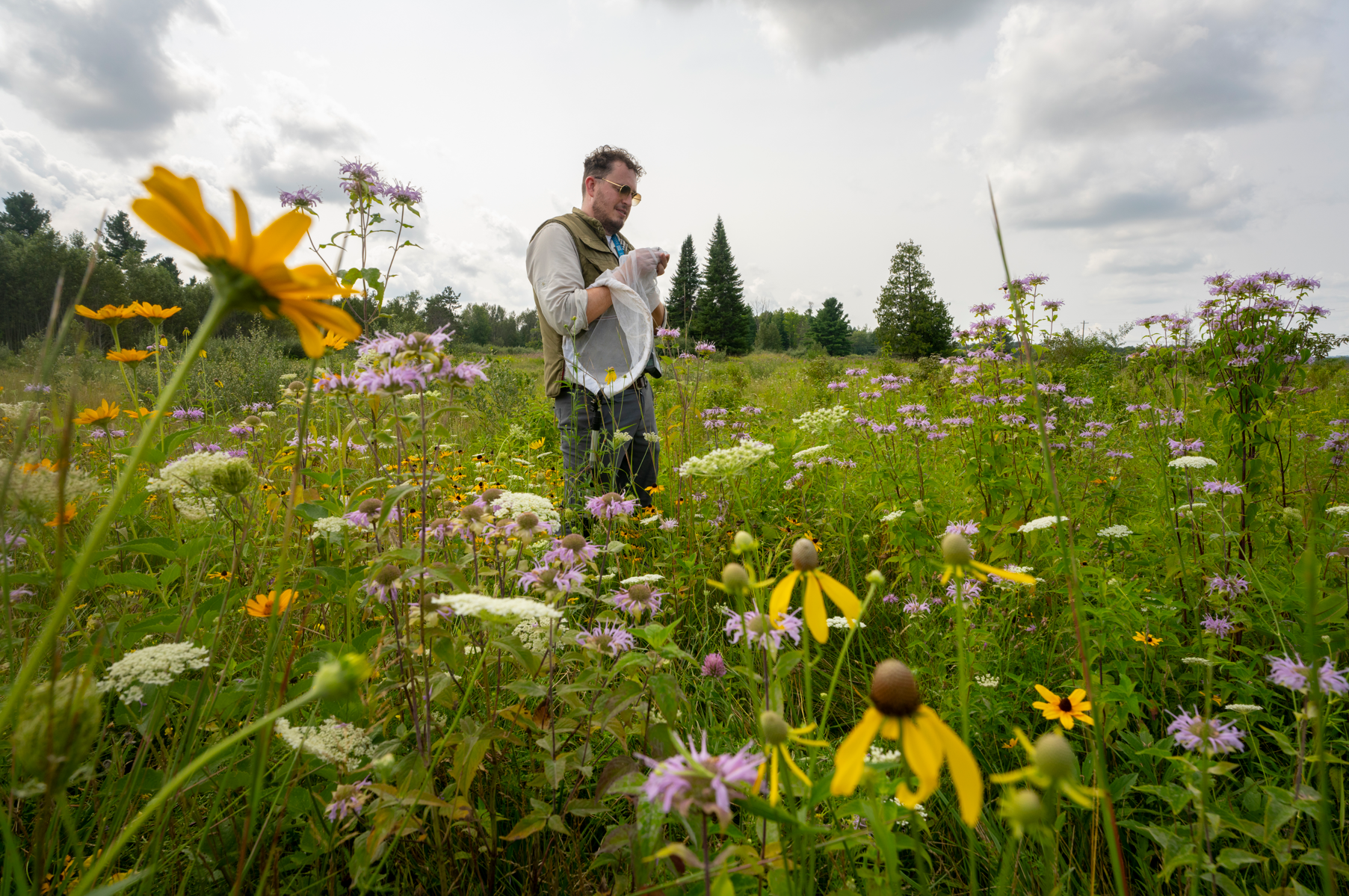
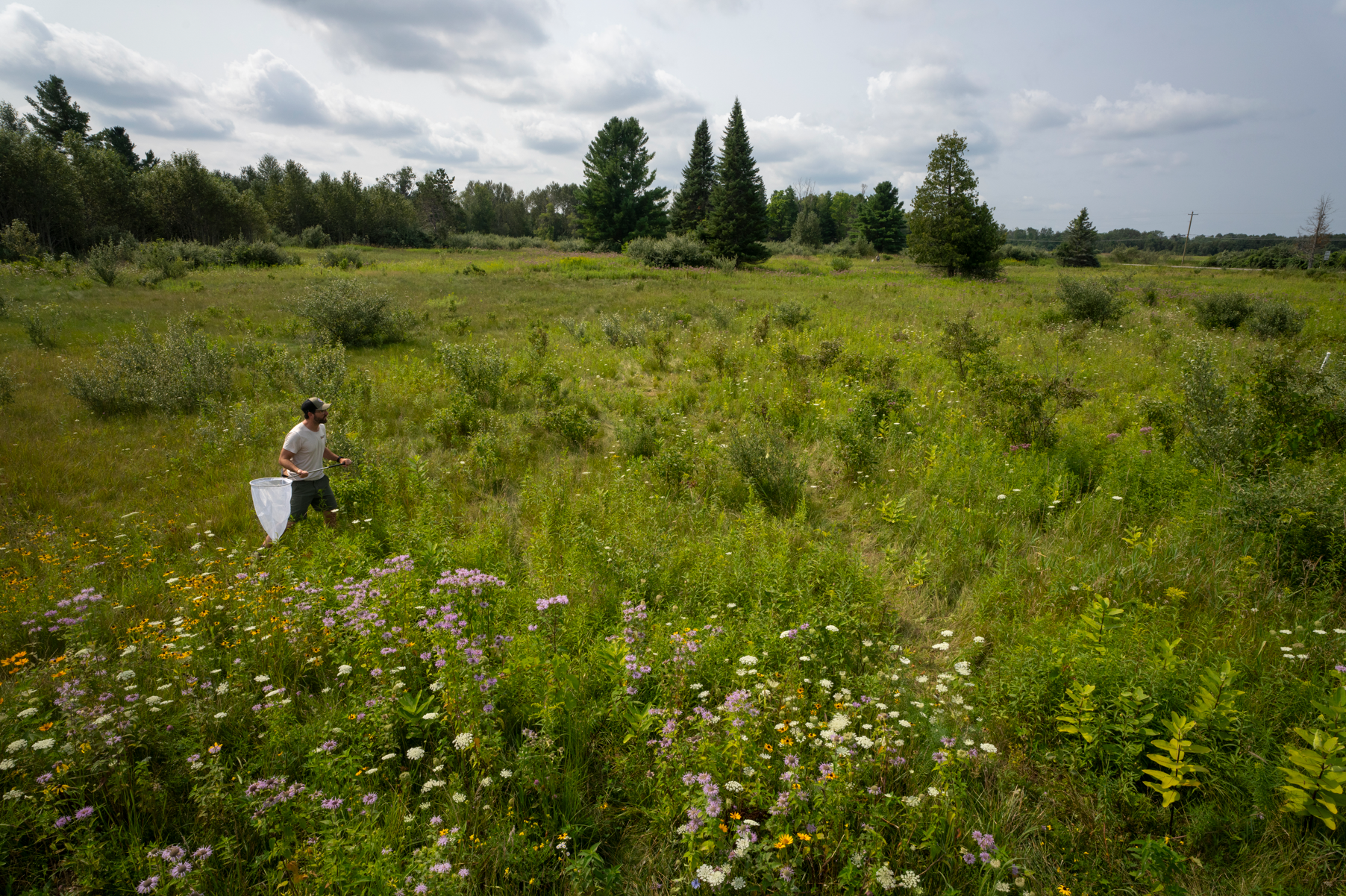
Sleeping Bear Wildlife Fund is conducting baseline bumble bee surveys across Northern Michigan to better understand the distribution, abundance, habitat associations, and pollen preferences of native bumble bee species. By documenting which species occur across different landscapes and the plants they rely on for forage, this research will help identify important habitats, population trends, and opportunities for targeted conservation and habitat management. Particular attention will be given to rare, state-listed, and historically occurring species to better understand where suitable habitat remains and what management actions could support their recovery. Ultimately, these baseline data will help inform strategies such as native plant restoration, habitat enhancement, and long-term population monitoring, while also providing the scientific foundation needed to evaluate the feasibility of future reintroductions of threatened or locally extirpated bumble bee species in Northern Michigan.
This work is done in partnership with: